Dealer gets 6-year sentence for deadly overdose in Arlington
Published 1:30 am Wednesday, August 5, 2026
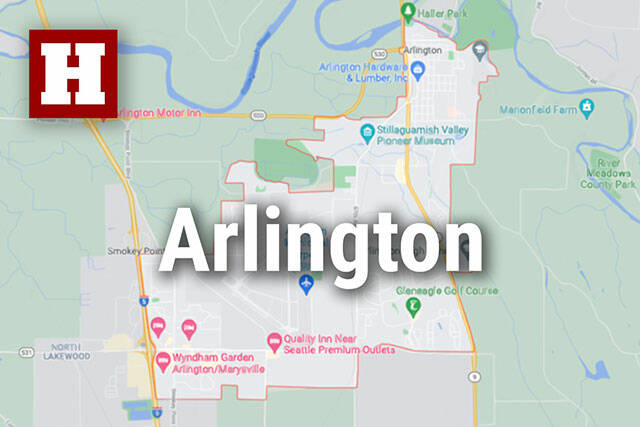
EVERETT — Rodney Wayne Fowler Jr. knew something wasn’t right about the drugs he took on July 4, 2024, but he trusted his dealer.
He messaged Justin Shepard saying the drugs tasted like laundry detergent, adding he knew Shepard wouldn’t “screw me over,” court records said.
Fowler was dead by the time Shepard responded, telling the man he’d given him the wrong bag and not to do the drugs, according to court documents.
On Wednesday afternoon in Snohomish County Superior Court, Shepard, now 33, was sentenced to just over six years in prison after admitting to providing the drugs that led to Fowler’s fatal overdose. Shepard pleaded guilty to a felony charge of controlled substance homicide for his role in the death of the 29-year-old Arlington man in June.
Prosecutors said Shepard’s gross negligence caused the victim’s death when he gave Fowler powdered fentanyl instead of the cocaine the man had expected, court documents said.
“This is entirely preventable and is entirely the responsibility of Mr. Shepard,” Deputy Prosecuting Attorney Craig Swenson told Judge George Appel before sentencing. “But for Mr. Shepard’s actions, Mr. Fowler would still be here today. His family would still have him.”
Fowler’s loved ones watched on through Zoom as a judge approved the attorneys’ agreed recommendation for a mid-range sentence of more than six years behind bars. A standard sentencing range for Shepard’s controlled substance homicide conviction is between five and 10 years, according to court documents.
“I am begging this court to see our pain. I am begging for justice. I am begging for accountability,” LaTisha Hendrix, Fowler’s mother wrote in a statement read by victim advocate Leela Barlow. “No sentence can bring my son back, but please do not let his life be treated as if it did not matter. Because it did matter. He mattered. He was loved beyond words, and he is missed every second of every day.”
Arlington police began investigating after reports of a death at an apartment on Longhouse Trail Lane on July 4, 2024, court documents said. Fowler reportedly bought drugs from Shepard just hours before he died.
Court records said Shepard was known to officers after previously being investigated as the primary suspect in a separate controlled substance homicide, but police could not establish probable cause for an arrest.
Drugs found near Fowler’s body were sent to the Washington State Patrol crime lab where they tested positive for fentanyl and fluorofentanyl, court records said. The Snohomish County Medical Examiner’s Office determined the cause of death was acute fentanyl and parafluorofentanyl toxicity, court records said. His manner of death was accidental.
“I completely understand how his family feels and it tears me up every day,” Shepard told the judge before sentencing. “If I could go back and change everything, I would in a heartbeat.”
Shepard was taken into custody in late September 2024 after a traffic stop, court documents said. During a search of his car, officers found a substance they described as similar in appearance to the drugs found in the victim’s bathroom. Investigators also found multiple types of drugs, hundreds of small plastic bags, digital scales and a large amount of drug paraphernalia, according to court records.
Among the drugs were approximately eight ounces of suspected fentanyl, more than 3,000 pills suspected to be counterfeit oxycodone pills that were later tested and confirmed to contain fentanyl, and more than 430 grams of methamphetamine, along with suspected cocaine, heroin laced tobacco and prescription drugs, court documents said.
Shepard was arrested on suspicion of robbery and unlawful possession of a firearm between the time of his initial arrest and charges being filed for controlled substance homicide, court records said.
He pleaded guilty to four felony charges related to the arrest, including two counts of second-degree robbery and two counts of second-degree unlawful firearm possession, court documents said. He could have been given an additional 10 years for these convictions. Instead, attorneys agreed to tie the sentence with his controlled substance homicide plea and have the prison sentence served at the same time.
Prosecutors said evidentiary and witness issues led to the reduction after extended negotiations.
Shepard wiped tears from his eyes as he listened to the impact statements from his victim’s loved ones, including Fowler’s sister.
“Rodney struggled with addiction, but addiction did not define who he was. He had fought to get clean. He was rebuilding his life,” Teressa Fowler wrote in a statement read in court by Barlow. “What should have been a setback became a death sentence. People may remember how Rodney died, but I ask this Court to remember how he lived. He was our baby brother.”
Ian Davis-Leonard: 425-339-3097; ian.davis-leonard@heraldnet.com