How do you get rid of a bridge? Everett engineers can explain.
Published 5:30 am Tuesday, May 13, 2025
EVERETT — It’ll only take a few seconds to drive across the Edgewater Bridge between Everett and Mukilteo once it’s built.
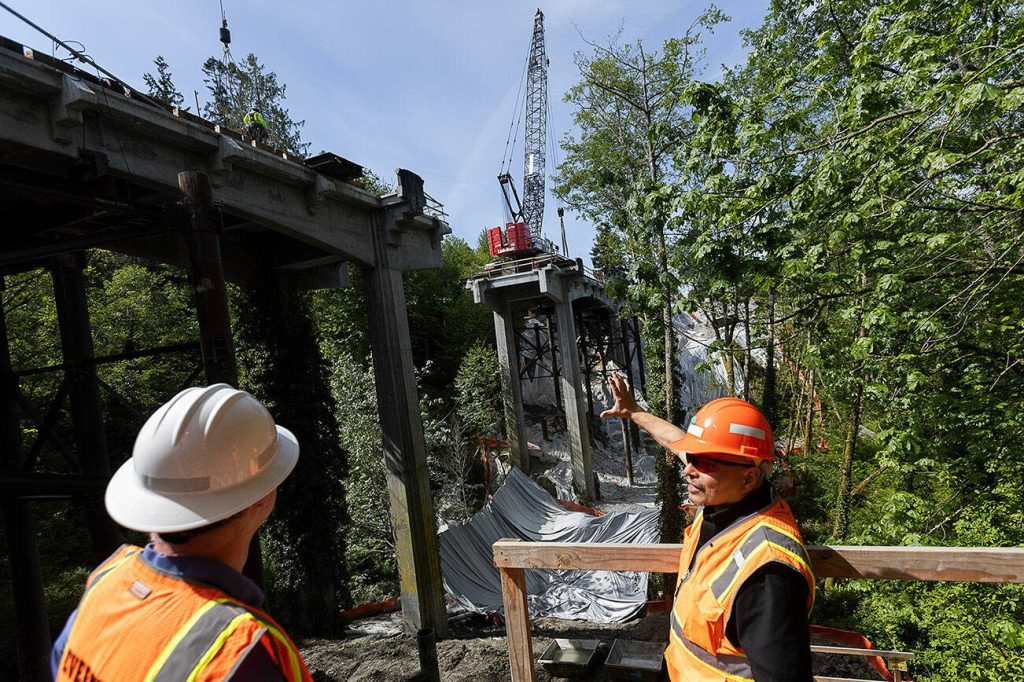
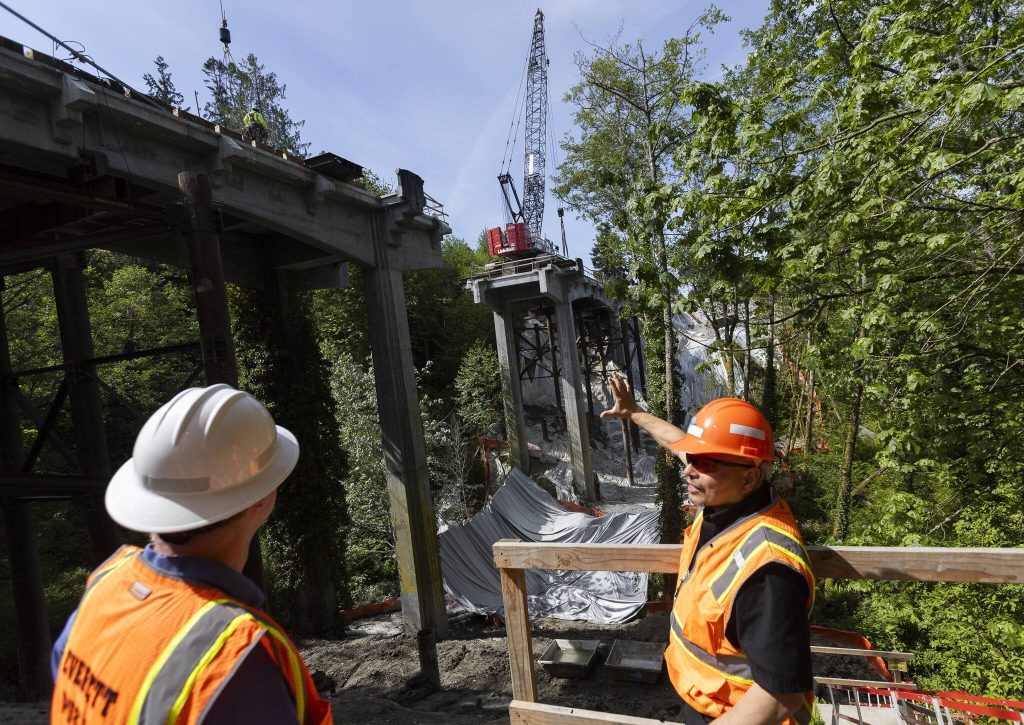
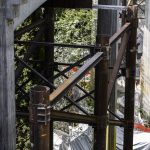
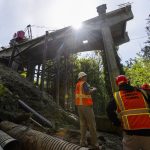
Getting to that point, however, requires tearing down the nearly 80-year-old structure currently standing where a new bridge will be constructed. That means city engineers need to carry out carefully planning to ensure the demolition process goes smoothly over difficult terrain.
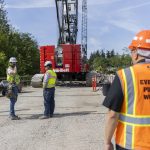
“It’s a short-span bridge but, in construction terms, it’s very challenging,” said Daniel Enrico, the project manager for the bridge’s construction, at the construction site Friday.
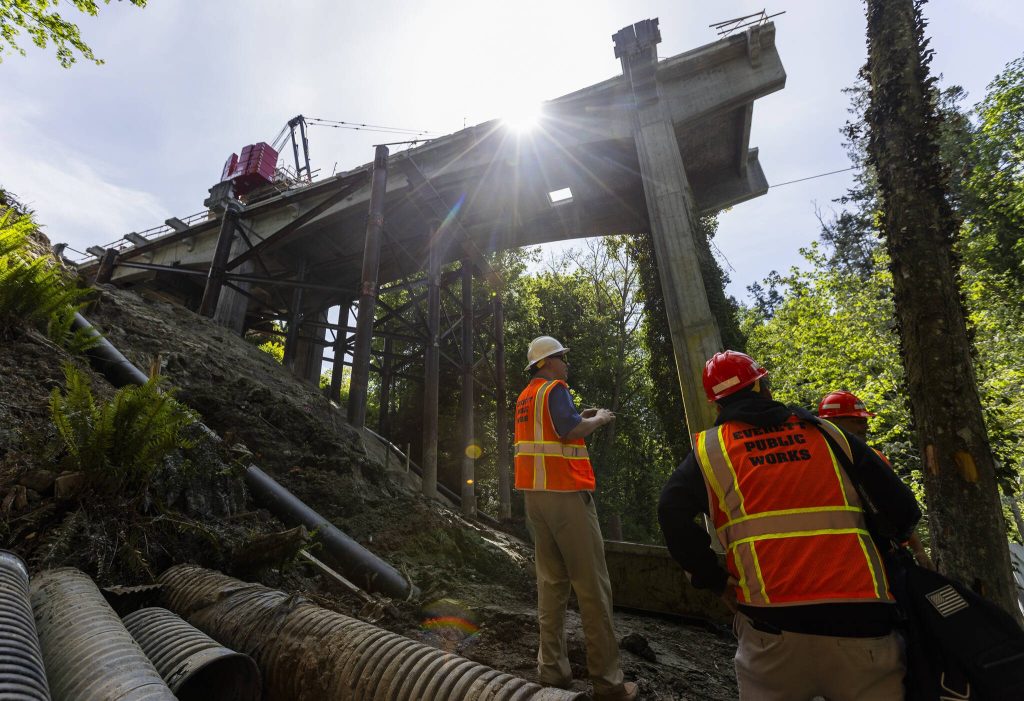
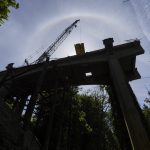
The bridge spans more than 360 feet above a deep ravine with a creek flowing beneath it. Trees in the ravine below lean in different directions, showing the ground’s stability issues. The ravine also has artesian wells — pressurized pockets of water underneath the ground — which could also destabilize the steep slope.
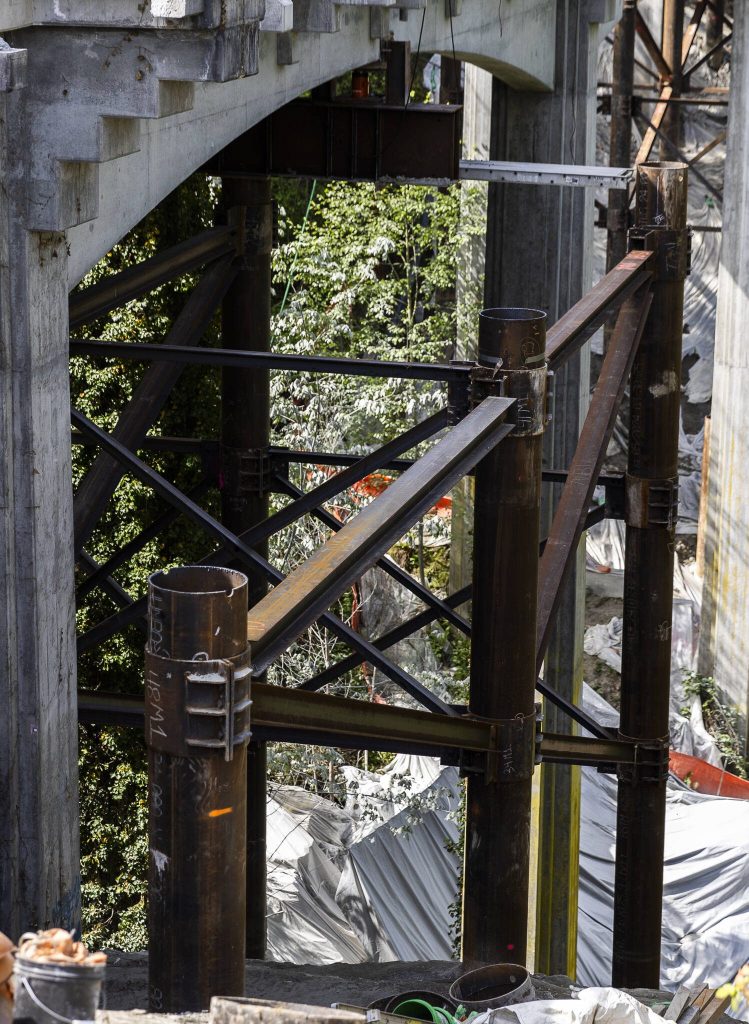
Engineers installed 48 steel piles to create a work platform needed to build the new bridge, as well as stabilize the ground below it. But it was a challenge to put them in place. When workers began drilling to install the piles, they ran into obstructions like old timber and concrete, likely left over from a previous bridge.
If things were running smoothly, crews could install one to two piles per day. But others took days to install on their own because of the obstructions.
“If they started hitting timber, all bets were off,” Enrico said.
Those delays pushed back the opening of the bridge until early 2026.
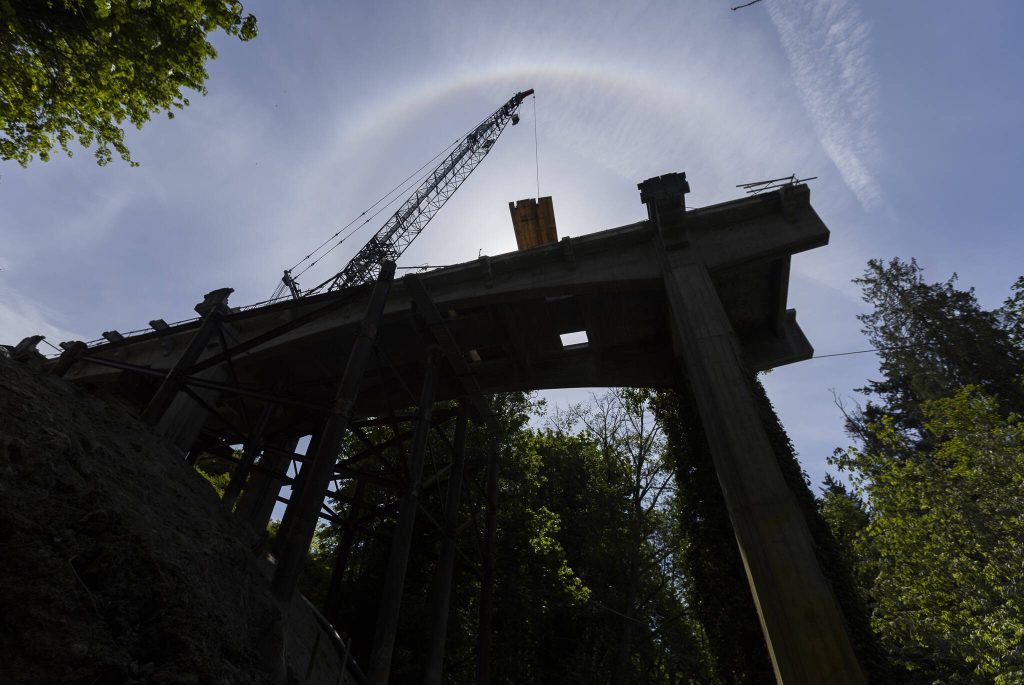
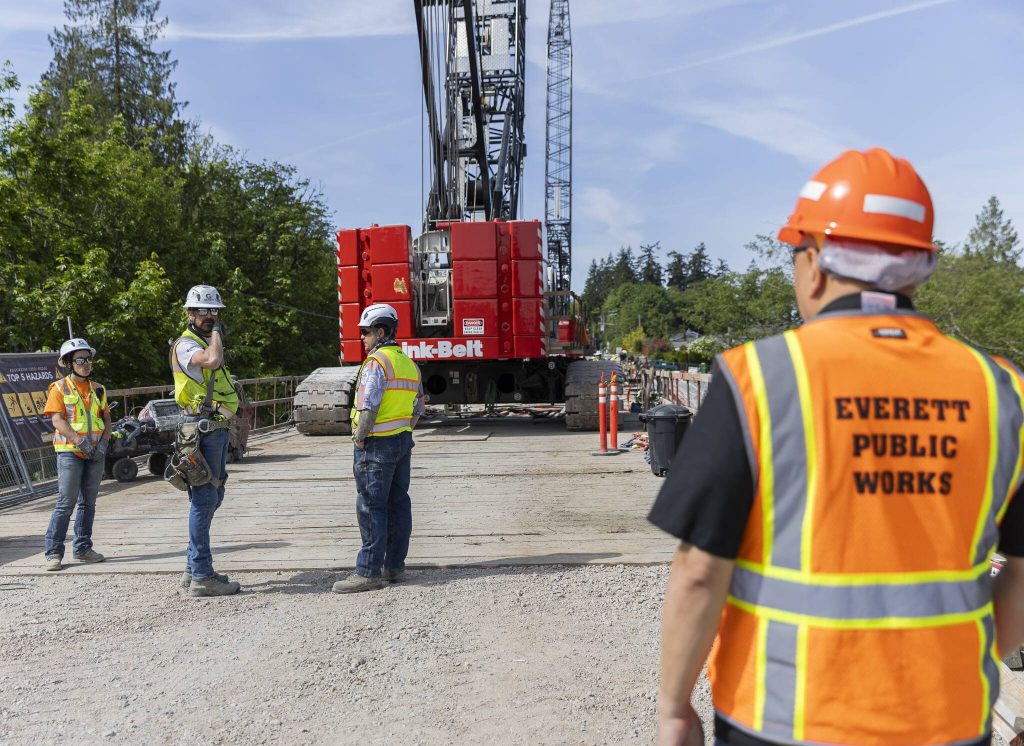
Now that the piles are installed, however, demolition has started. Crews began by removing the asphalt from the surface of the bridge, replacing it with temporary timber to allow two massive cranes to sit on either side of the bridge. Then, workers began sawing off 57,000-pound pieces of the middle of the bridge to clear enough room to build a temporary platform. The concrete is sent to a facility in Arlington to be recycled.
The temporary platform in the middle of the span will be used to hold cranes as they build the new bridge and demolish the rest of the existing one. The steel piles will remain in place even after the bridge is finished to help stabilize the ground below.
The process of taking the bridge apart is careful and meticulous. Engineers working on the project “understand where every nut and bolt and piece of concrete and rebar is going,” Enrico said.
“This is a critical area with steep slopes,” he said. “You can’t just knock this thing down and then pick up the pieces.”
Demolishing the bridge will take one to two months, said Tom Hood, Everett’s city engineer.
Originally built in 1946, the bridge was a critical connection between Everett and Mukilteo, with about 6,000 vehicles — local residents, ferry commuters and more — crossing it every day.
But the old bridge was at the end of its life cycle. Its traffic lanes and sidewalks were narrow, and it was vulnerable to failure if a major earthquake were to strike the area. Enrico said when he walked across the old bridge, he could feel it bounce if a large vehicle drove over it.
The city delayed starting construction of the bridge multiple times. Initially planned as a 2022 project, it was delayed until summer 2023, then to mid-2024. The city first closed the bridge for construction in October 2024.
Once construction began, the city initially estimated the connection would be closed for about a year, with the new bridge set to open in late 2025. But on May 2, the city announced the opening had been pushed back until early 2026 because of the unforeseen construction challenges.
“I understand and truly share the community’s frustration. The current detour is long, inconvenient and has a significant impact on our quality of life,” Everett Mayor Cassie Franklin said at a City Council meeting Wednesday. “Replacing the 79-year-old bridge is an enormous undertaking. It’s a complex engineering and construction challenge, and it’s a top priority for our team for it to be completed quickly and safely.”
Franklin said the city’s public works team meets weekly with the contractor to troubleshoot and find efficiencies in an attempt to deliver the bridge faster than current estimates. To speed things up, it’s possible crews could combine a few items of work currently planned to happen consecutively, Hood said. Crews are also hoping for favorable weather in the fall because rainy conditions slow work on the steep slopes.
When built, the new bridge will be structurally similar to the old one apart from significantly wider and deeper columns to support the structure. Those will reinforce it stronger in the event of an earthquake, Hood said. The new bridge will also have wider sidewalks, new bike lanes and an illuminated pylon on each side of the bridge — one reading Everett, one reading Mukilteo.
The bridge represents a “once in a century” project for the city, Enrico said.
“The current bridge made it essentially 80 years,” Hood said. “We fully expect 100 out of this one because of better technology and materials.”
Will Geschke: 425-339-3443; william.geschke@heraldnet.com; X: @willgeschke.