The secret life of Butch T. Cougar, WSU mascot
Published 1:30 am Tuesday, January 27, 2026
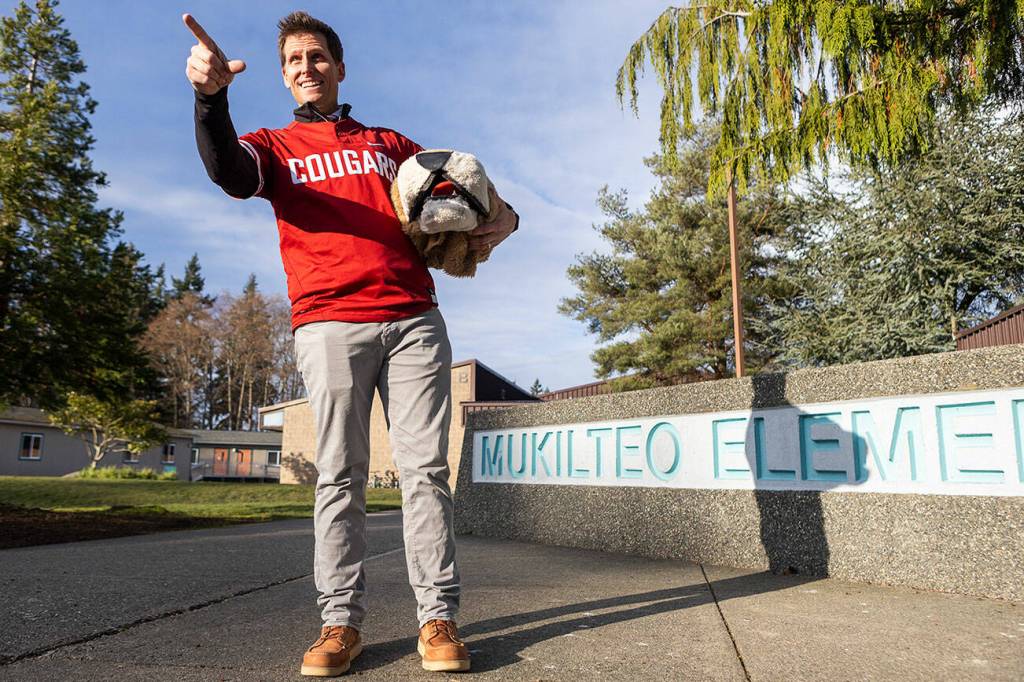
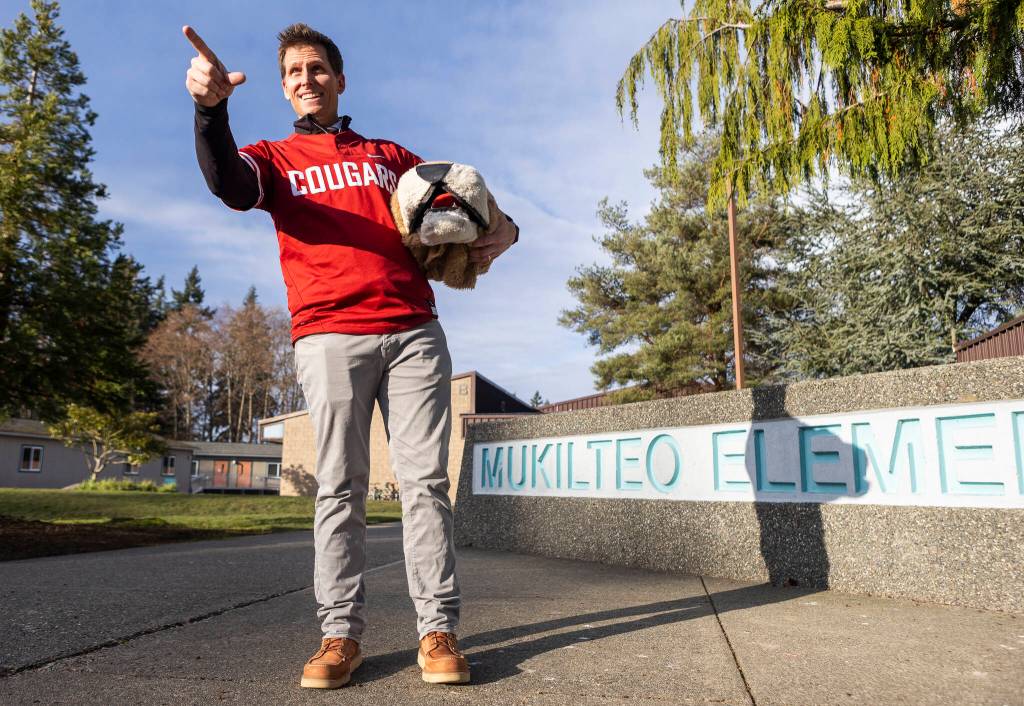
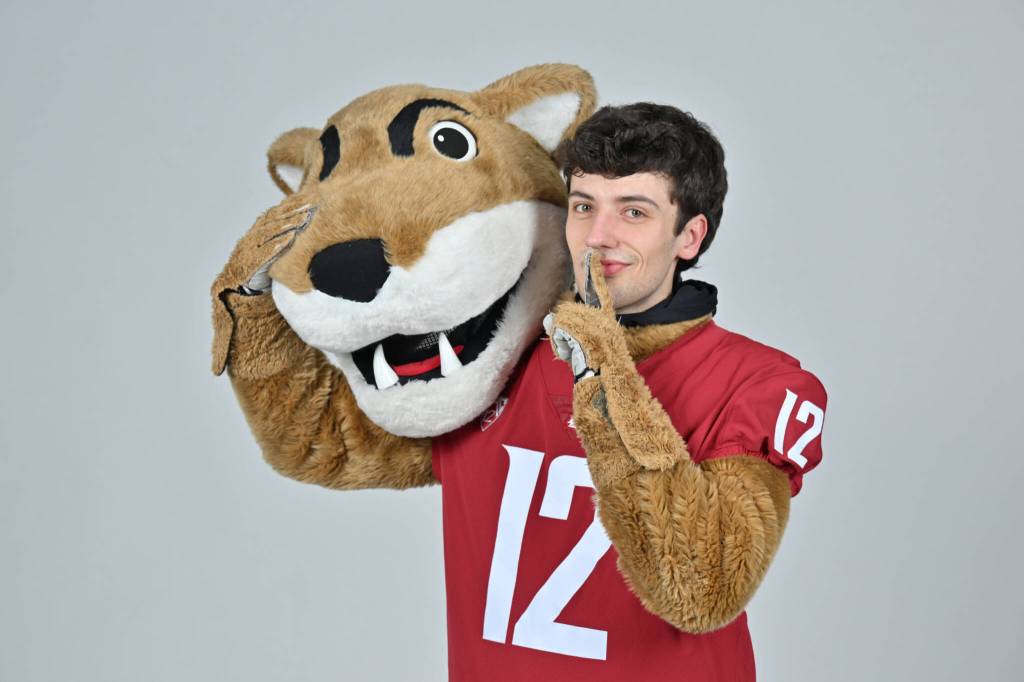
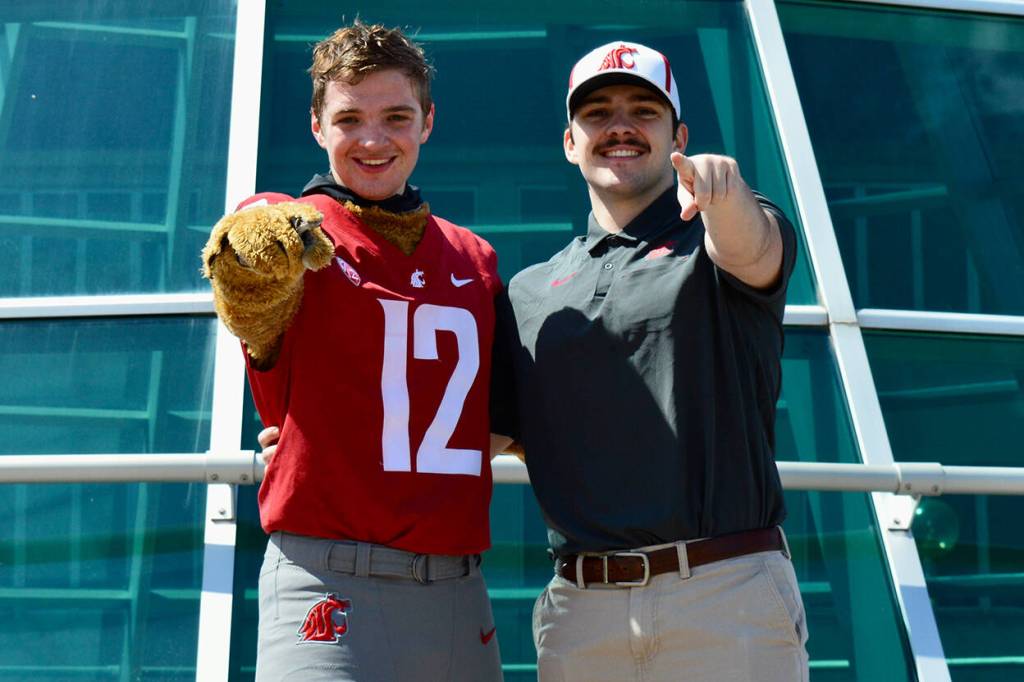


MUKILTEO — Brandon Tepley lived a double life in college. One of those lives had a tail.
What’s up with that?
From 1997 to 1999, Tepley was Butch T. Cougar, Washington State University’s mascot. Today, at 49, he is the dean of students at Mukilteo Elementary School, dressed in khakis and a button-up. The fur is long gone, but Butch is still in there.
“I think about being Butch almost every day,” Tepley said.
Tepley likely hands out more high-fives than colleagues without a mascot past. He’s also very good at keeping secrets.
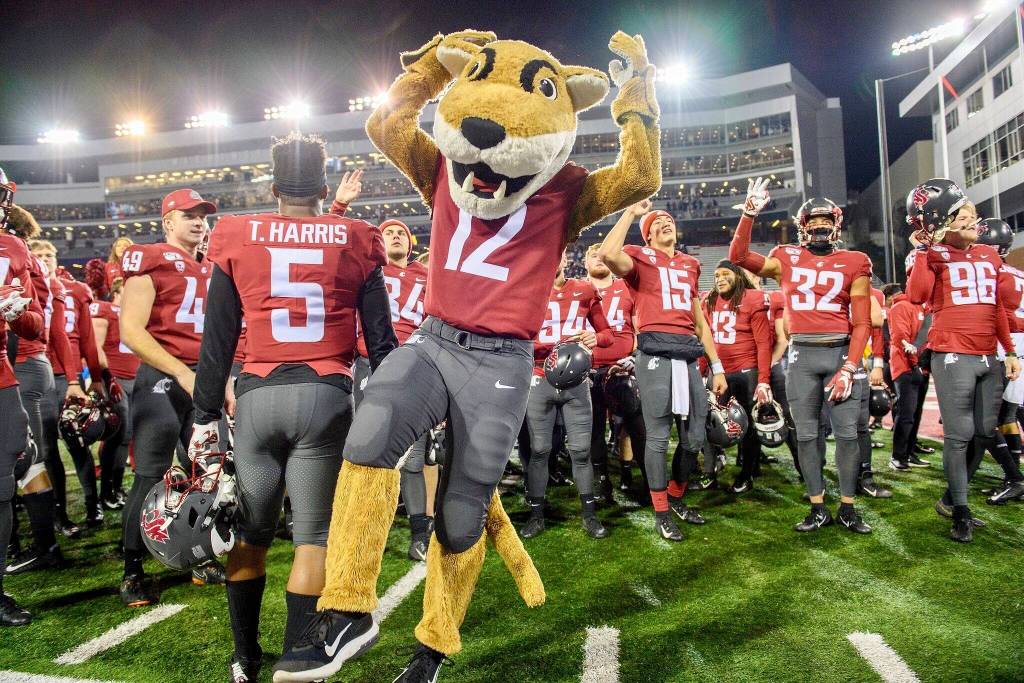
The identity of the person inside the costume is closely guarded until the final WSU home basketball game. That’s when Butch removes the head before the student body and a new mascot steps in, starting the mystery all over again.
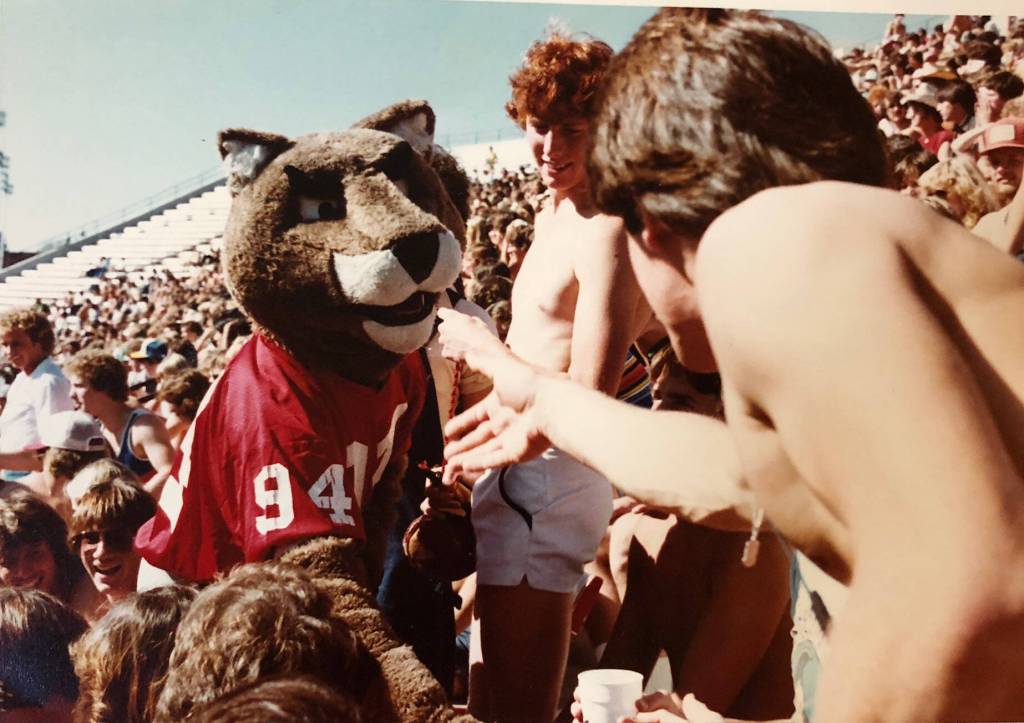
The wildcat mascot dates back to 1927 when the governor presented students with a live cougar named in honor of football star Herbert “Butch” Meeker. Six live cougars named Butch followed, housed on campus and paraded at events. When Butch VI died in the late 1970s, students opposed replacing him with another live animal. That’s when a two-legged mascot took over: Butch T. Cougar (the “T” stands for The).
Whidbey Islander Dean Greve, WSU Class of 1981, was the “fur father” of the costumed mascot. He gave Butch his signature swagger — bold, playful and larger than life, equally at ease leading cheers, delighting children or electrifying a crowd, all without ever saying a word.
That swagger carried forward.
Tepley, a 1994 Stanwood High graduate, first saw Butch at a football game as a WSU freshman.
“I was mesmerized,” Tepley said. “I thought, ‘That’s the coolest thing I’ve ever seen.’”
When a tryout notice appeared in the student newspaper, he auditioned. The process was simple: strut your stuff wearing a Butch head and tail.
“I didn’t really know what I was doing,” said Tepley, a baseball player in high school.
He didn’t make the cut.
The next year, he was armed with a Beastie Boys and Jock Jams mixtape cassette, cardboard props and a basketball he spun on his finger.
Boom. He was Butch.
He made excuses to friends about why he wasn’t with them in the stands.
“I’m surprised my buddies didn’t put two and two together,” he said.
Inside the suit, he was a celebrity.
“It’s like putting on a superhero costume,” Tepley said. “Everybody loves you. Lots of hugs and high-fives. I held a lot of babies, and I had no idea how to hold babies back then. I’m glad I didn’t drop any.”
The role meant attending numerous games, tailgates, parties and events, along with some side gigs. One was as the Washington Potato Commission mascot.
“It was just a foam potato with arms sticking out,” Tepley said. “I almost rolled down the stadium stairs. We even got a thank-you note for making potatoes so awesome.”
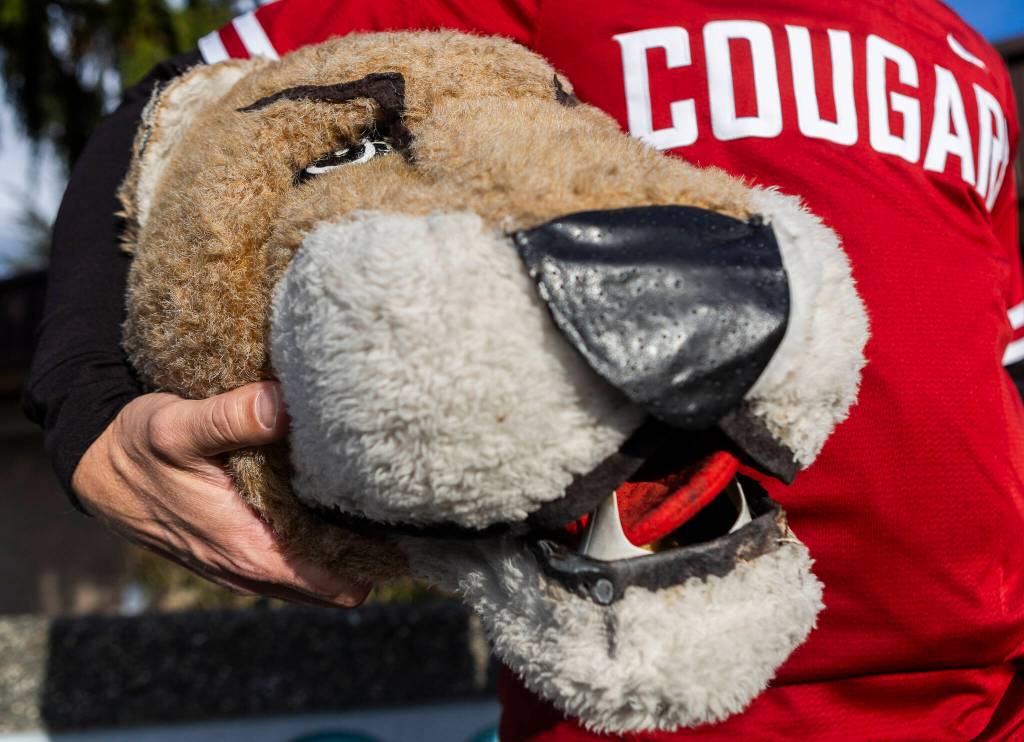
During Tepley’s time, the Butch head was crafted around a football helmet. In later years, the costume was professionally made and Butch entered the national spotlight. In 2006, Butch won Capital One Mascot of the Year, defeating 11 rivals — including Buzz, the yellow jacket from Georgia Tech, and Mr. Wuf of North Carolina State — and earning $10,000 for WSU. There is even a Butch T. Cougar Funko Pop! figure.
Tepley spent the summer after college as Rhubarb the Reindeer for the Tacoma Rainiers before beginning a career in education. He taught in elementary schools, moved into district technology and eventually became a dean. The baby-holding practice came in handy. He and his wife, Chelci, have a daughter, Stella, now 16.
In his guest room at home, he keeps a relic of his Butch days: a furry, football-helmeted mascot head with an athletic-taped ear.
“I was going to put it on a rack,” he said. “But that felt kind of morbid, like a hunting trophy.”
He occasionally brought it to school for Apple Cup parties.
“Some Husky teacher would usually put an apple in its mouth like a Thanksgiving dinner,” he said.
He still channels his inner Butch.
“The confidence of Butch is that you can do anything,” he said. “If you’re having a tough time, pretend you have a mascot head on.”
He also has recurring stress dreams about mishaps at events or forgetting part of the costume.
For years, he carried Butch memories mostly alone. Now he has Coug camaraderie.
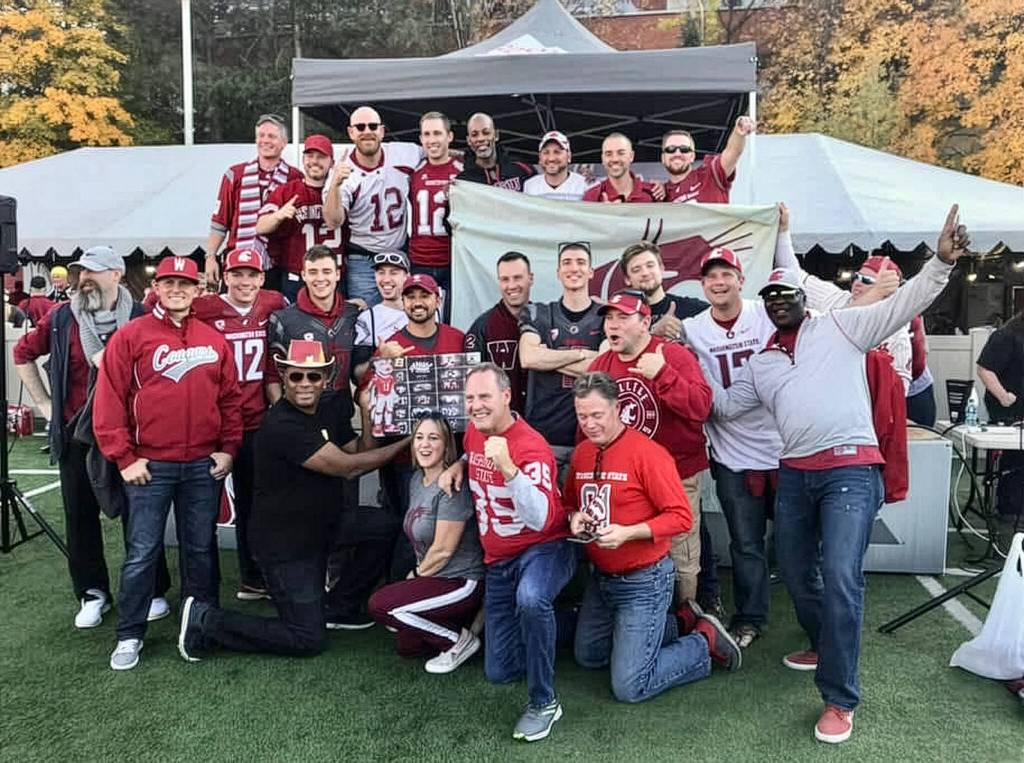
In 2018, Tepley attended the first reunion of former Butches during the mascot’s 40th birthday celebration in Pullman. Most had never met. The secrecy that defined the job had kept them apart. Once the head came off, they were never Butch again.
At the reunion, they were all Butch again.
“It was like group therapy,” Tepley said.
Reunion organizer Max Baer wanted to connect former mascots to reflect on a defining part of their college lives.
Baer’s introduction to the mascot world came courtesy of a crush.
“There was a girl I was trying to impress,” he said. “She was on the cheer team and told me, ‘You’re tall and goofy. You should try out.’”
He was Butch from 2012 to 2015.
“It’s like being Clark Kent and Superman,” Baer said. “You put on the costume, and suddenly everyone loves you. You take it off, and nobody even looks at you.”
Game days were intense and lonely.
“You’re dehydrated after jumping around in a carpet costume for eight hours,” Baer said. “All you want is a shower and to get in bed and cuddle with two gallons of water.”
Baer, now a financial advisor in Redmond, helped create a Butch scholarship through the Cougar Athletic Fund to support the anonymous student inside the suit.
It’s an unusual fraternity: wildly celebrated, quietly unknown.
Andy Hougan, 28, a third-generation Coug, was Butch in 2019 and 2020.
“My twin brother was on the cheer team, one of those guys that throws the girls up in the air. I wasn’t strong enough to do that,” he said.
Butch was a better fit.
“I was pretty introverted before,” said Hougan, a financial analyst for the City of Marysville. “I got out there and realized what I was capable of. Now I feel like I can talk to anybody.”
Alex Webster, 54, vice president of sporting events development at the Seattle Sports Commission, was Butch in the early 1990s and also hosted sports radio on campus.
“It gave me an understanding where Butch fit into the athletic ecosystem and what mascoting is,” Webster said. “It was a unique dichotomy, communicating entirely without using my voice, then using my voice to describe everything that’s going on.”
Greg Stolte, 25, was Butch from 2020 to 2024.
“It is truly the best job on campus,” said Stolte, a mechanical engineer at Electroimpact in Mukilteo. “You could do anything and people would think it’s cool. It boosted my confidence meeting new people.”
The suit was a college highlight for Greve, 67, a former TV talk show producer at KOMO and “The Montel Williams Show” in New York. The Butch fur father was also the first Mariner Moose in 1991.
“If you are protected by a costume, it’s liberating,” Greve said. “There’s freedom in it.”
Butch’s swagger is undeniable.
“He’s good to everyone but he has a lot of personal attitude and it shows in his walk and mannerisms,” Greve said. “His gestures are big. He believes he can do anything.”
“It’s a big responsibility,” Baer said. “And an incredible honor. I’d do it all over again.”
Tepley would, too.
“I’d probably have a heart attack now if I tried,” he said. “But it would be worth it.”
Got a story for “What’s Up With That?” Hit me up at reporterbrown@gmail.com or 425-422-7598.