How the Mukilteo-Clinton ferry route will get an electric upgrade
Published 1:06 pm Tuesday, September 2, 2025
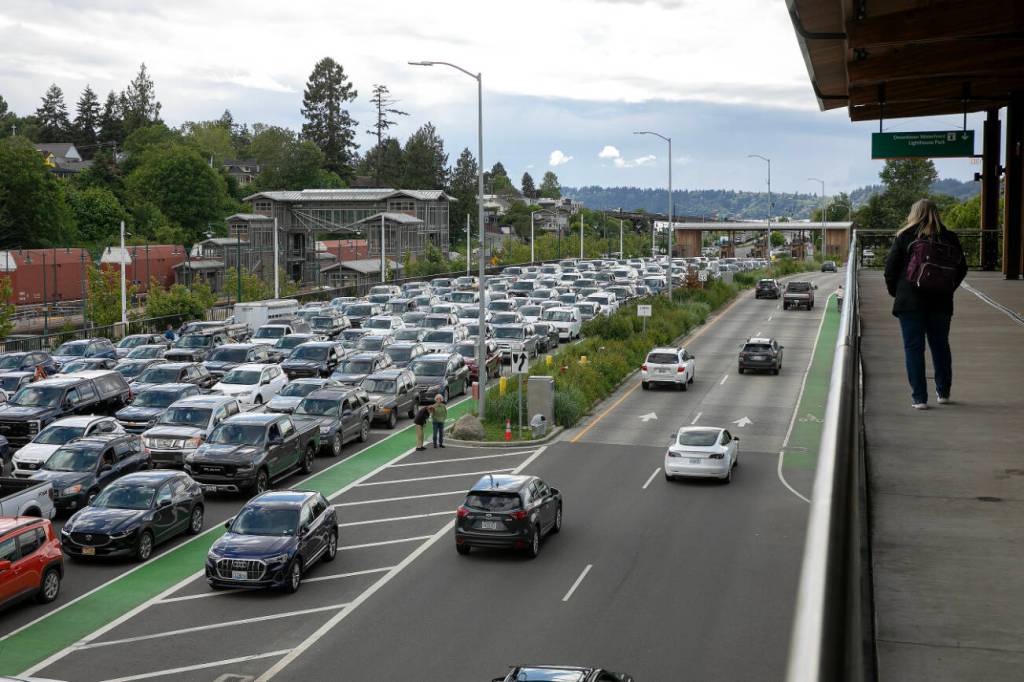
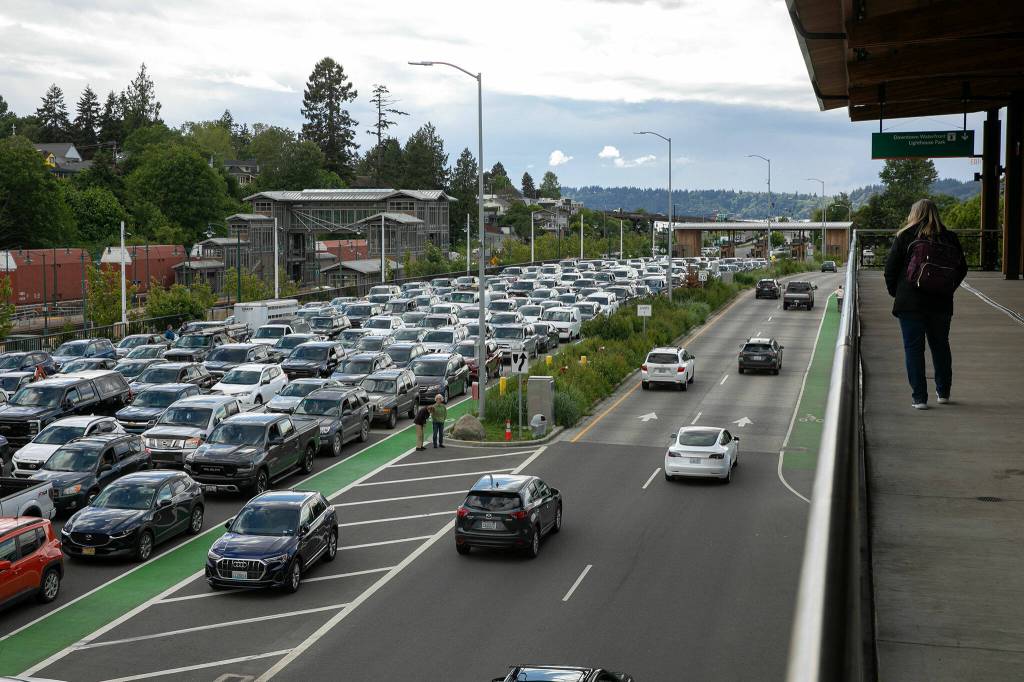
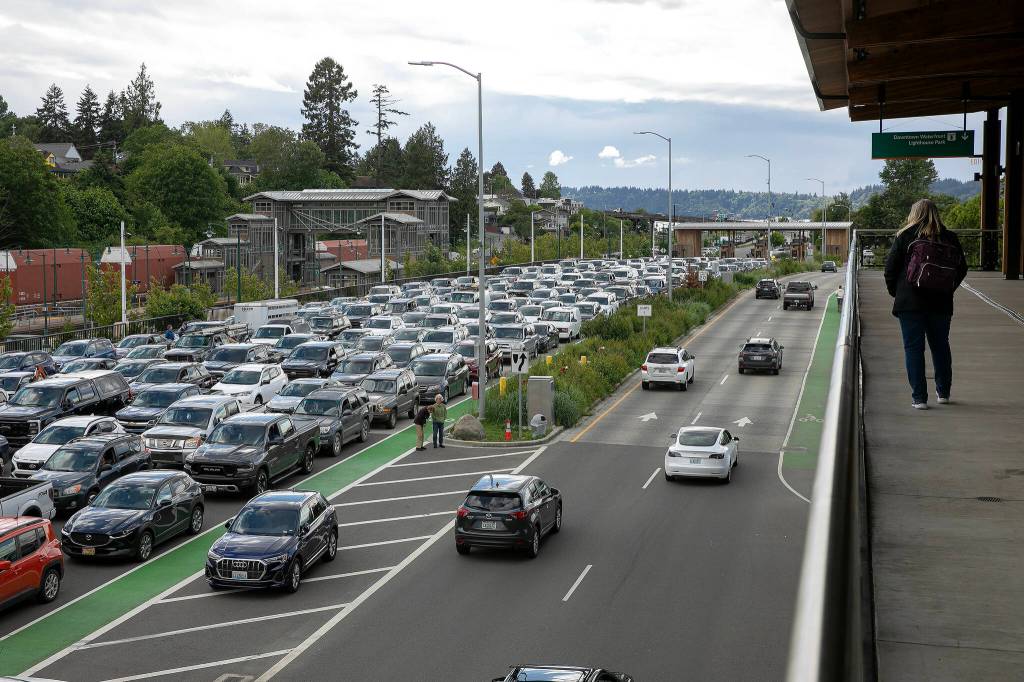


EVERETT — State officials are planning to build new electric charging infrastructure at the Clinton ferry terminal as part of the state’s plan to electrify its vast fleet of passenger ferries.
The route connecting Mukilteo to Whidbey Island is short enough that only one terminal needs to be electrified. The Clinton terminal will be the second where electrification infrastructure will be built, after Seattle.
Construction at the Clinton terminal expected to begin in 2027 with a planned opening date of 2030. Another Snohomish County route, between Edmonds and Kingston, will see an electrified terminal after 2031.
Building the charging infrastructure at the terminals is similar to installing a plug-in charger to power an electric car in your home, said David Sowers, the program administrator of the Washington State Ferries electrification process. It’s just going to be a on “a much larger scale,” he said.
“There’s a fair amount of engineering, environmental permitting and clearances, coordination with third parties that the state needs to do in order to get this terminal electrified and get it ready for the first boat,” Sowers said.
Details on some of the work needed to build the electrification infrastructure at the Clinton terminal were previously reported by the Whidbey News-Times.
For the hybrid ferries to get the most out of their new electric batteries, they need the plug-in infrastructure to reduce dependence on diesel fuel. A Washington State Ferries electrification plan released in 2020 said utilizing plug-in hybrid vessels could reduce fuel usage by 75 to 95 percent.
Building that infrastructure will require Washington State Ferries to work with Puget Sound Energy, the electrical provider on the island, by bringing power directly from a nearby substation and transferring it to the terminal.
That work is fairly conventional, Sowers said. The more complex work comes when building the charging infrastructure out into the water, where crews will have to build a utility corridor protecting cables from tidal action and driftwood, Sowers said. That corridor will carry cables out to a newly-built elevated platform that will include a charging arm, which will be able to plug into new hybrid-electric boats while passengers embark and disembark.
Currently, ferries refuel every two to three weeks, Sowers said, a process that occurs overnight. With the new charging infrastructure, dwell times at the terminal are not expected to increase, Sowers said. Vessels will charge during the approximately 15-minute wait, giving enough power to the vessels for a sailing to Mukilteo and back to Clinton again. They will also be able to carry less fuel and refuel less often.
Design work for the electrified terminal is still in the very early stages, said state ferries spokesperson Kurt Workman in an email. It’s estimated to cost around $40-50 million. Costs to electrify other terminals will vary.
Snohomish County is expected receive the first brand-new hybrid-electric ferry in the summer of 2030. That ferry is being built at a cost of about $405 million, the Washington State Standard reported.
The new ferry, along with two others, is being built by a Florida-based shipbuilding company as an in-state company’s bid came in at a significantly higher cost. Officials at the Port of Everett and Economic Alliance Snohomish County expressed disappointment over the decision as they hoped for local economic benefits from in-state construction. Gov. Bob Ferguson said the out-of-state company was the best option to build the vessels at a fair price.
Some other countries have begun to operate electric ferries. But many of those systems are smaller in size, Sowers said. The scale of the Department of Transportation’s efforts to electrify its ferry fleet — the largest public ferry system in the country, with 21 vessels located across the Puget Sound — is unprecedented and ambitious, he said.
“It’s very complicated to convert these vessels and build these new vessels, but it’s certainly where the industry is going and where the industry feels it can go,” Sowers said. “We’re excited to be a part of that.”
Will Geschke: 425-339-3443; william.geschke@heraldnet.com; X: @willgeschke.