Politicians must show our system can still work
Published 12:35 pm Tuesday, December 27, 2011
The last week of the year is for reflection and preparation. Time to reread the holiday letters, file away new photographs, replay dinner conversations, give thanks for the myriad miracles attending each life, and consider how the year has affected family and friends. In addition to our half-hearted promises about diet and exercise, we resolve to tend more carefully to the stuff of life that matters most.
We should expect a similar stock-taking from our elected officials. The stakes have rarely been higher or the performance lower. In 2011 we saw some leading politicians blame the system for the flaws that made them impotent. In a strange inversion, the powerful claim to be powerless and nurture anti-government populists.
As fireworks shoot from the Space Needle this weekend, listen for the sounds of rear-view mirrors being smashed. Few want to look back on a year of high unemployment, partisan gridlock, a housing slump, federal debt, state budget shortfalls and global unrest.
Unfortunately, the view through the windshield isn’t much different. Still, with a new year, there’s hope.
Recent polling shows growing consumer confidence, which appears to have translated into robust retail sales, at least in comparison with the past few years.
There’s still a long way to go. Last week, just 22 percent of likely U.S. voters told Rasmussen Reports they believed the country was headed in the right direction. That’s bleak — 71 percent think we’re on the wrong track — but up a little. Rasmussen says it’s the highest level reached in five months.
We’ll eventually know if predictions that our state will lead the nation in recovery will prove correct. In this race we’re all running in quicksand. No one can afford a misstep.
Regardless, economic recovery won’t bring a swift end to budget problems in Olympia. Though legislative leaders tried to put a positive spin on the recent special session, not much happened. While lacking the drama of the Congressional payroll tax showdown, the results were comparable: An extension of indecision. Sure it’s difficult, but it’s not like it sneaked up on them. The governor gave them a responsible plan. Legislators failed to execute.
They cannot delay the inevitable for long. What must be done will be done. So spending will again be cut. Attention-getting reductions will fall hard on health care and education. No one is spared. Voters will be asked to approve a tax increase.
How we respond to the invitation will largely depend on our confidence in state government. If we think politicians share our priorities and values, respond to public opinion and represent their constituents, we’re more likely to trust them.
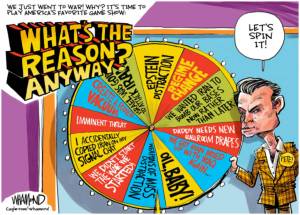
Here’s where the calculations get treacherous. Just when it is most important that voters and taxpayers believe they can shape the future, rebuild the economy and effect positive change, political and media elites are consciously undermining that belief. It’s one thing to believe the government has become isolated, unresponsive and arrogant. It’s another to contend that the system has been rigged to block reform. People who should know better are peddling dangerous diagnoses.
Time magazine, for example, makes “the protester” its person of the year. Break out the vinyl records and celebrate that, once again, “the times they are a changin’.”
In this country, the Occupy movement feeds on the idea that the 99 percent lack power and influence. While protesters appear clueless when asked what they want, they are convinced that the political system is, in Time’s words, “intolerably undemocratic.” It’s a bizarre claim. Much of the current gridlock can be attributed to politicians so tied to their constituents — left and right — that they’re unwilling to compromise. Remarkably, progressive politicians from the White House to Olympia borrow Occupiers’ rhetoric and validate their accusations.
Nothing good comes from populist pandering, from undermining public confidence for short-term political gain. Why play by the rules if the game is fixed?
Bismarck called politics the art of the possible. Little is possible in an atmosphere of pervasive distrust.
To make progress in January, legislators will have to tune out the protests and demonstrate that the system can and does work. If the outcome is unsatisfactory, well, that’s what elections are for.
Richard S. Davis, president of the Washington Research Council, writes on public policy, economics and politics. His email address is rsdavis@simeonpartners.com.