Viewpoints: Covid’s deadly racial inequities can’t be ignored
Published 1:30 am Sunday, December 13, 2020


By Tamra Burns Loeb and Dorothy Chin / For The Conversation
The covid-19 pandemic has exposed the reality that health in the U.S. has glaring racial inequities. Since March, people of color have been more likely to get sick and more likely to die from covid-19 infection because they have been living and working in social conditions that worsen their physical health and mental health.
These conditions are rooted in structural inequalities that are also responsible for the severity and progression of covid-19. While the issues are complex, research has suggested some ways to repair the broken system. Now, at the dawn of a new administration, more effective strategies that look at the realities of these affected communities can be implemented.
As research psychologists who study the social influences of health and mental health among marginalized groups and help design interventions for covid-affected communities, we offer a four-pronged approach in mounting an effective response.
Focus on community, rather than individual, risk: Risk for covid-19 has primarily been framed as individual risk, such as being over 60, having a preexisting illness or performing front-line work. Research suggests that to close the racial gaps in health, we need to shift our thinking away from personal risk to a community orientation.
Community risk is the set of factors that collectively put a group of people at risk. One such factor is deep poverty. Deep poverty, describing those with household incomes at less than 50 percent of the poverty level, is linked with poor physical and mental health and lack of resources.
Covid-19 has laid bare the effects of deep poverty in communities of color, with government mandates that do not square with the realities of under-resourced communities. How does one socially distance in an overcrowded living situation? How can children learn remotely from home when parents have to go to work? Policymakers need to understand and better address risk profiles that reflect communities’ environmental conditions and specific vulnerabilities.
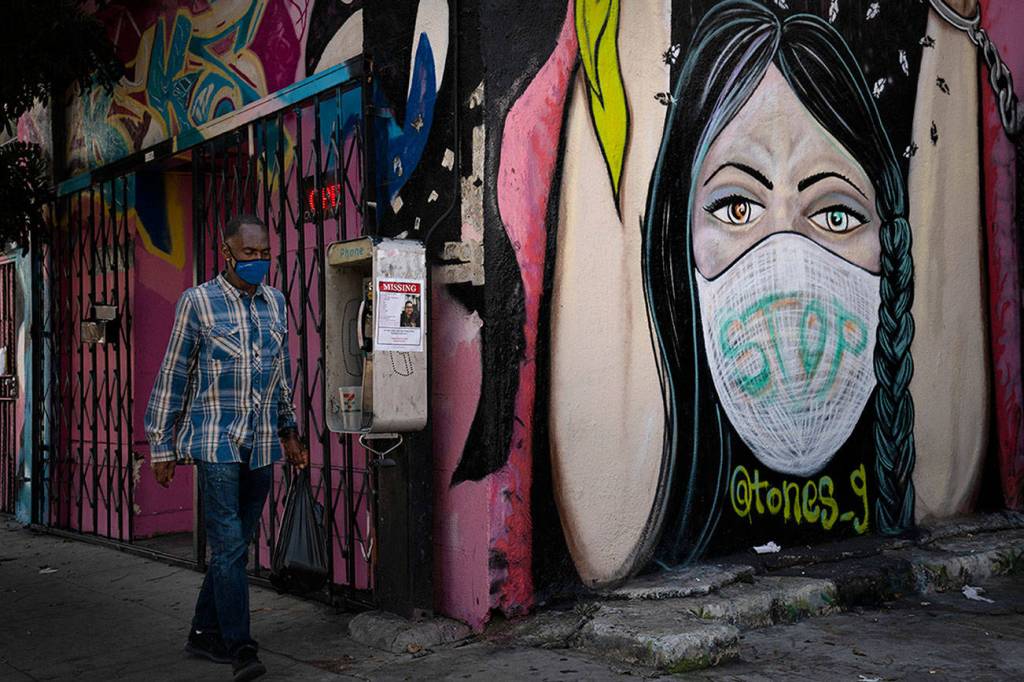
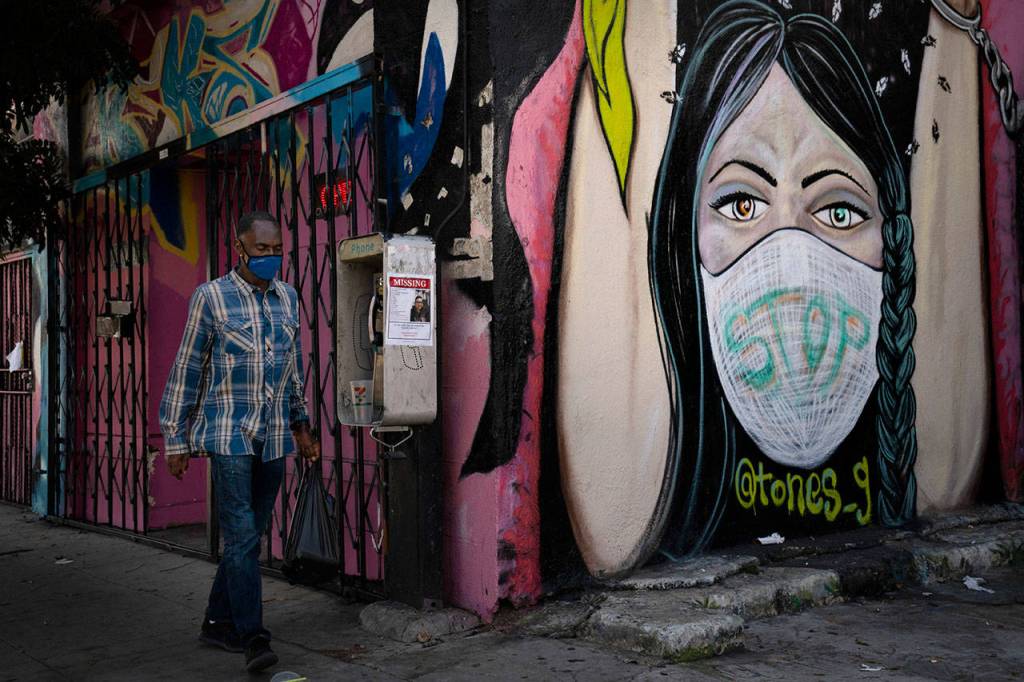
Use culturally relevant messages: One reason that Asian countries have succeeded in curbing the spread of covid-19 is the widespread acceptance of mask-wearing, consistent with collectivistic cultures. Mask-wearing is seen as polite social behavior that protects others, so recommendations to wear masks graft onto an existing social value.
Among those in the white mainstream culture in the United States, the message of mask-wearing may conflict with the individualistic ethos. Black men, however, may limit mask-wearing out of fears that it will incur police attention. In Latino communities where family is a top priority, “protect your family” may be an effective message. Identifying culturally consistent messaging is important for covid-19 prevention, testing and treatment efforts.
Also exemplary of cultural differences are the varying responses to a covid-19 vaccine. An overwhelming 93 percent of Black Americans in Los Angeles County said they would not take the vaccine when it becomes available. Black and Indigenous Americans have long been subjected to unethical medical experimentation and outright deception and fraud. Coupled with racism in the health care system and a lack of physicians of color, many may question whether the vaccine is a safe option.
For Black and Indigenous Americans to accept the safety and value of a newly developed vaccine, trusted community partners such as familiar neighborhood clinics and local social activists need to present reliable data coming from community-validated sources.
Prevention, testing and treatment messages must be tailored to populations most affected by covid-19 to determine the best way to allocate limited resouces. Public health messaging should consider communities’ sociodemographic factors, such as poverty, housing, discrimination, language barriers, loss or lack of health insurance, jobs without paid sick leave and lack of access to healthy foods.
Researchers have called for culturally sensitive health care and interventions designed to meet the needs of vulnerable populations. Without this approach, messages encouraging covid-19 prevention, testing, treatment and ultimately acceptance of the vaccine will have limited success.
Identify barriers to health care: There are many interrelated barriers to health care access. Many Latino and Latina people face language barriers in communicating with providers, which can result in being undertreated. Health care systems need to incorporate integrated care for cumulative histories of trauma, which are high in communities of color. Trauma, including experiences of racism and discrimination, increase mental health risks, pose barriers to health care access and treatment adherence and increase risks for physical symptoms and chronic disease.
Brief screening questionnaires that can be quickly administered in primary care settings have been developed for use with diverse populations and can identify those at risk for mental and physical health problems. However, providers must be trained to ask about histories of trauma and its bodily manifestations to minimize barriers to covid-19 testing and treatment. Researchers and mental health professionals must not only be trained to address covid-19-related trauma but understand its effects on underresourced communities that have long been affected by adversity, poor mental health and chronic disease.
Recognize and remedy traumatic effects of racial discrimination: Research shows that social rejection based on race is related to post-traumatic stress and depression symptoms. Mental health problems caused by covid-19 can be exacerbated by experiences of discrimination, linking racism and covid-19. Police shootings of unarmed Black citizens can have a devastating effect on entire communities, increasing anxiety, depression, number of sick days taken and school absences.
The experience of racial discrimination over a person’s lifetime is an aspect of cumulative trauma that has reverberating repercussions for health and mental health. Intervention programs that contextualize discrimination in historical terms can mitigate the negative effects. Unconscious biases of Black inferiority perpetuate racism and discrimination; interventions designed to address these biases are critical to promote social justice and health equity.
With the establishment of a new coronavirus task force, the incoming Biden administration has taken a critical first step in turning back covid-19 in the U.S. We believe what needs to follow is a program that aims to close the racial gap brought to light by the pandemic.
Based on our experience and studies, we think the evidence suggests that this program must look at communities as a whole and their cultural values and experiences and remove barriers to health care. It should affirm the existence of and remedy the effects of widespread racism and discrimination. While this approach is ambitious, it is necessary. By adopting it, the Biden administration can halt, and begin to close, the widening racial gap in health caused by covid-19.
Tamra Burns Loeb and Dorothy Chin are associate research pyscholiogists at the UCLA School of Medicine. This article is republished from The Conversation under a Creative Commons license.