New Mukilteo club caters to serious badminton players
Published 1:30 am Monday, January 23, 2017


MUKILTEO — Many of us have played badminton over the years, either in a school physical education class or perhaps on a patch of backyard grass.
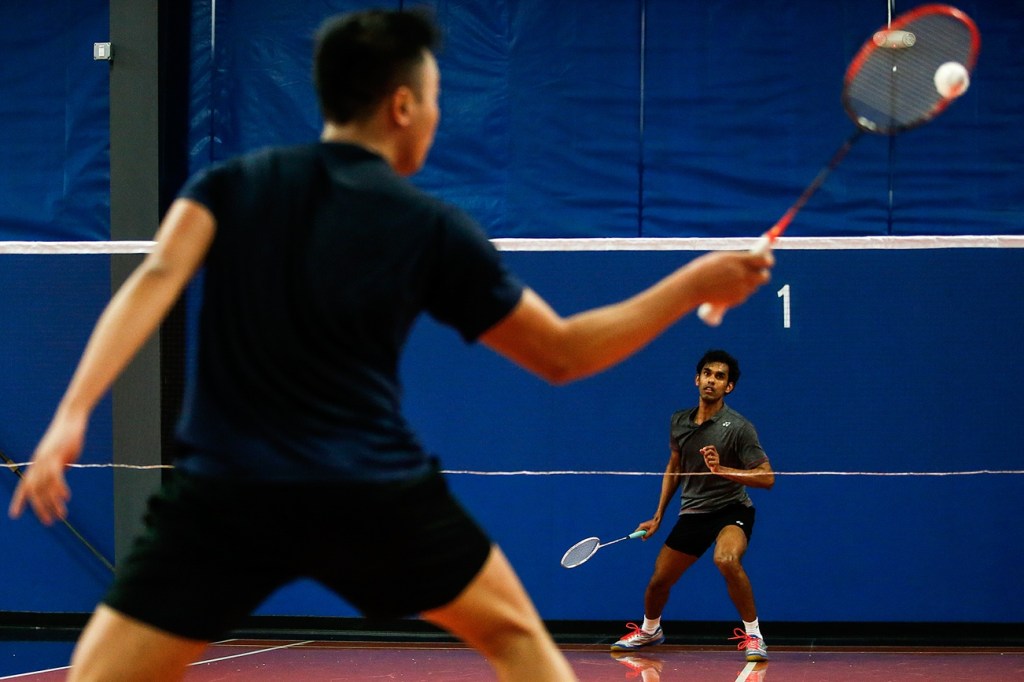
But the sport of badminton is much more than just a school or summertime activity. Because as much of the rest of the world knows, badminton is a fast-paced, high-energy sport that requires lots of skill and stamina, much like tennis, squash and other racquet sports.
And now it has come to Snohomish County.
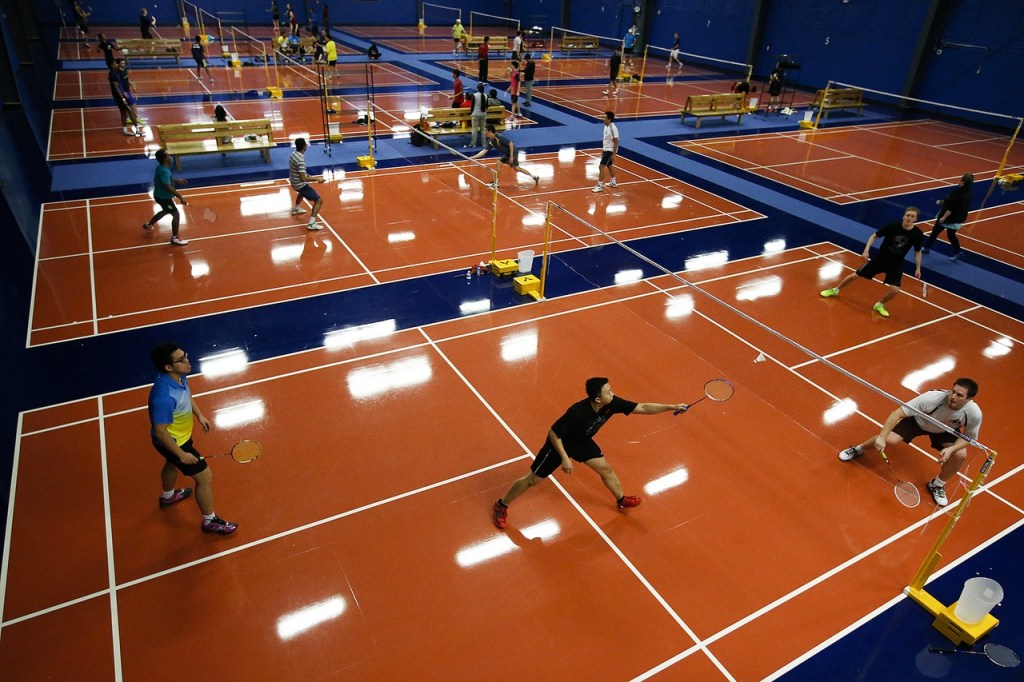
In December, the Harbour Pointe Badminton Club opened in Mukilteo, and the floor space in the new facility is dedicated solely to badminton (there are also adjoining areas for weight training and other fitness workouts). By contrast, other fitness clubs sometimes offer badminton classes, tournaments and recreational play, but usually only at certain and often limited times during the week.
Godfrey Chan of Mukilteo remembers playing at a community center in Seattle, but in the winter all the badminton players had to quit because basketball took over the gym.
“I could only play in the summertime and then I had to stop,” said the 60-year-old Chan, who has enjoyed playing badminton for about 12 years with his wife Joanna.
Naveen Tumkur of Lynnwood, who took up badminton in his native India, has been in the United States about six years and is “really excited for this club” in Mukilteo. Badminton, he went on, “is the fastest racquet sport. In tennis you mostly cover side to side, but in badminton you go back and forth and side to side, and there is no rest for you.
“A lot can happen in a millisecond,” said the 28-year-old Tumkur, “and that’s what makes it more exciting than the other racquet sports.”
Compared to backyard badminton, competitive badminton is “superficially the same in that you’re hitting the birdie back and forth over the net,” said Jason Fitch of Mukilteo, 29. “But as any (serious player) can tell you, the training is quite intense to be able to play at the competitive level.
“The variety of shots you have is quite varied. You’re sometimes right at the net, you run to the back, there’s all kinds of dives and everything,” Fitch said.
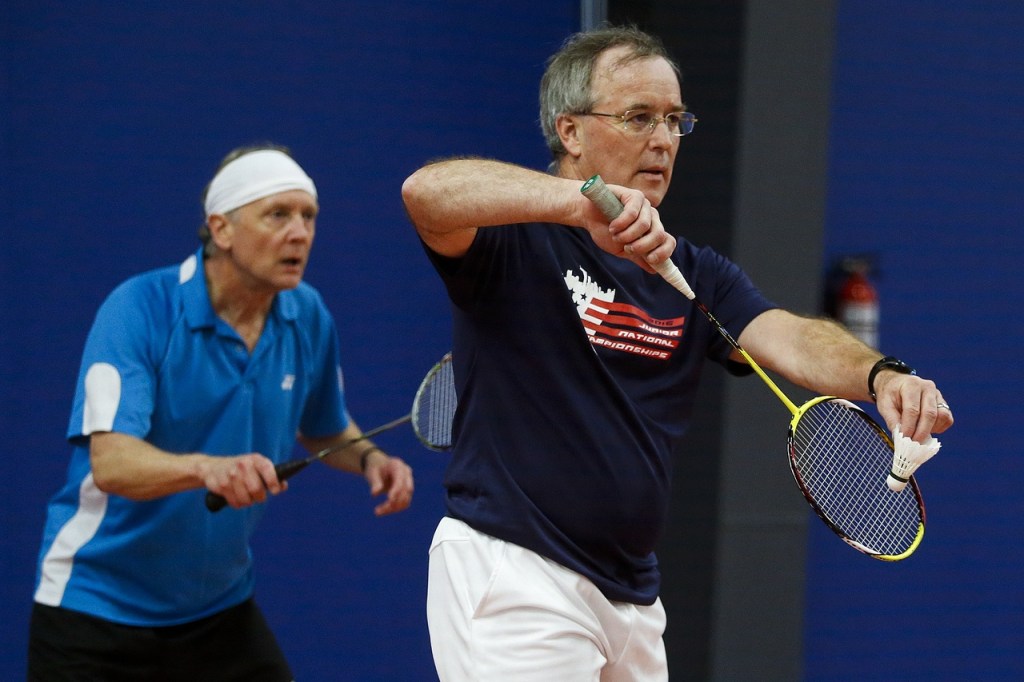
But the beauty of badminton is that it can also be enjoyed as a leisurely activity. Joanna Chan says she plays “just for fun and for exercise. Rather than stepping on the treadmill and walking by yourself, I find it really fun to play.”
She also enjoys the social aspect and says that “it doesn’t have to be a competitive thing to do, even though a lot of people (prefer that).”
Badminton has been an Olympic sport since 1992, though the United States is still seeking its first medal. China is the dominant nation with more than twice as many gold medals and total medals as any other country. South Korea and Indonesia are also international powers.
But that could change if the sport continues to catch on in the United States. Northern California is an area where badminton is particularly popular, but it is also growing in places like Florida and Texas, said Curtis Stensland, the son of owner Geoff Stensland and a player who has competed nationally.
As for badminton’s future in this country, “time will tell,” Curtis Stensland said. “But wherever badminton clubs have popped up around the country, they’ve pretty much been successful. (The sport) is kind of catching on and is becoming more legitimized, and in terms of Snohomish County the sky is kind of the limit with where we go.”
Geoff Stensland, a former two-time U.S. junior national champion, opened a club in Bellevue in 2005. Today that club “is completely full,” he said. “We’re just stacked to the gills.”
He broke ground on his Mukilteo club two years ago, though zoning issues with the city of Mukilteo delayed the opening from August until December. The club, which is one of the few in the country designed to be suitable for national tournaments, already has about 130 members and is still growing, Geoff Stensland said.
“There never has really been a dedicated badminton club in the north end of Seattle and then on up into Snohomish County,” Geoff Stensland said. “And with the population in the area and with the location — it’s really easy to get to the club — we think it’s going to be pretty successful.”
One of the great things about badminton, he added, “is that anybody can play. It doesn’t really matter what your body size is. Badminton can be played by small people and by big people. And even after you graduate from high school and college sports, racquet sports are the ones that you can continue do in a social environment.
“The ability to play (badminton) all your life,” he said, “is what makes it a special sport.”