How Roadless Rule repeal could affect forests like Mt. Baker-Snoqualmie
Published 1:30 am Wednesday, July 16, 2025
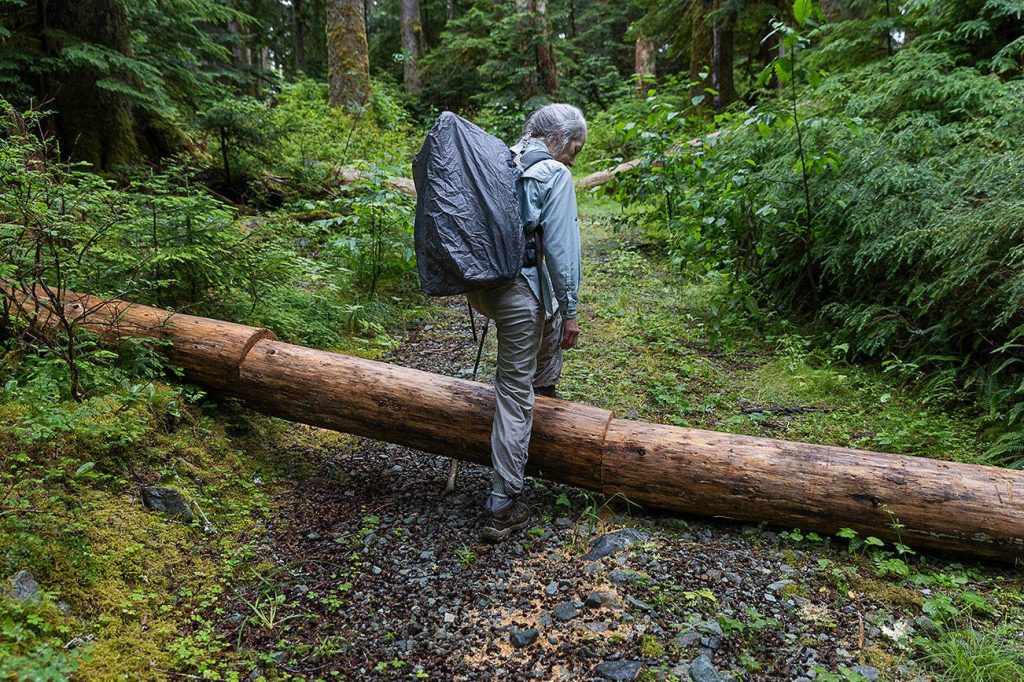
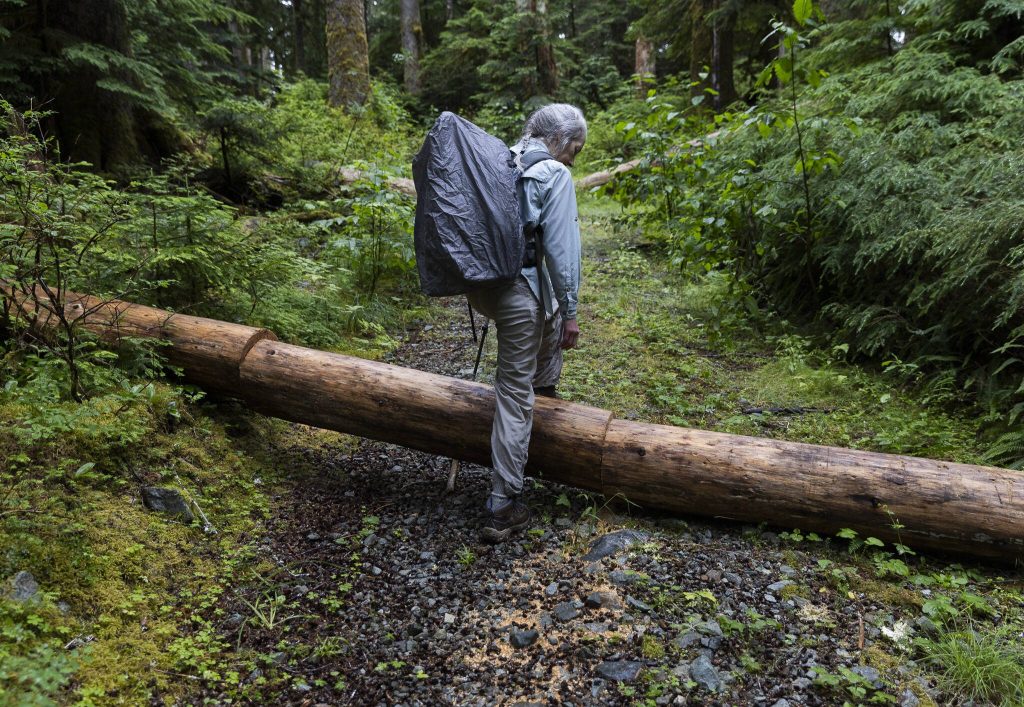

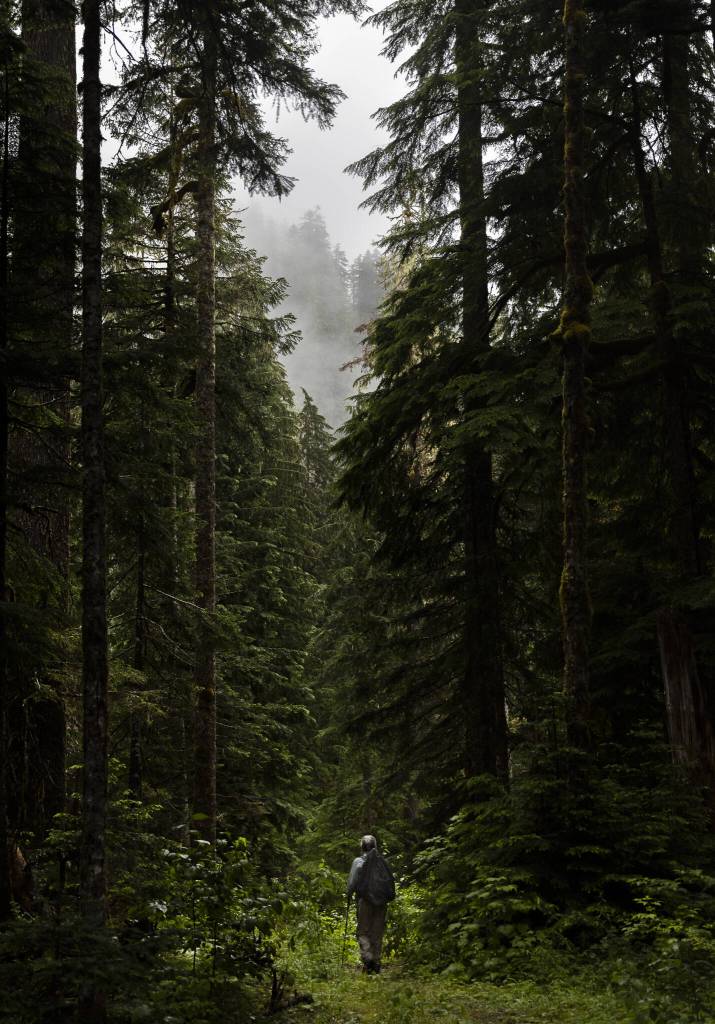

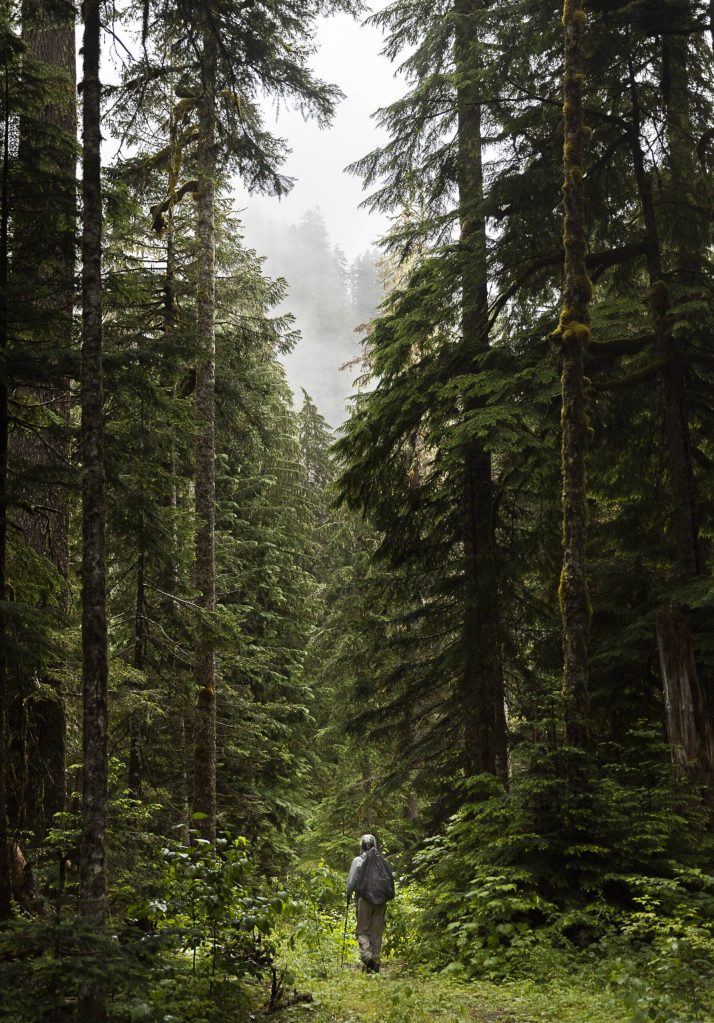

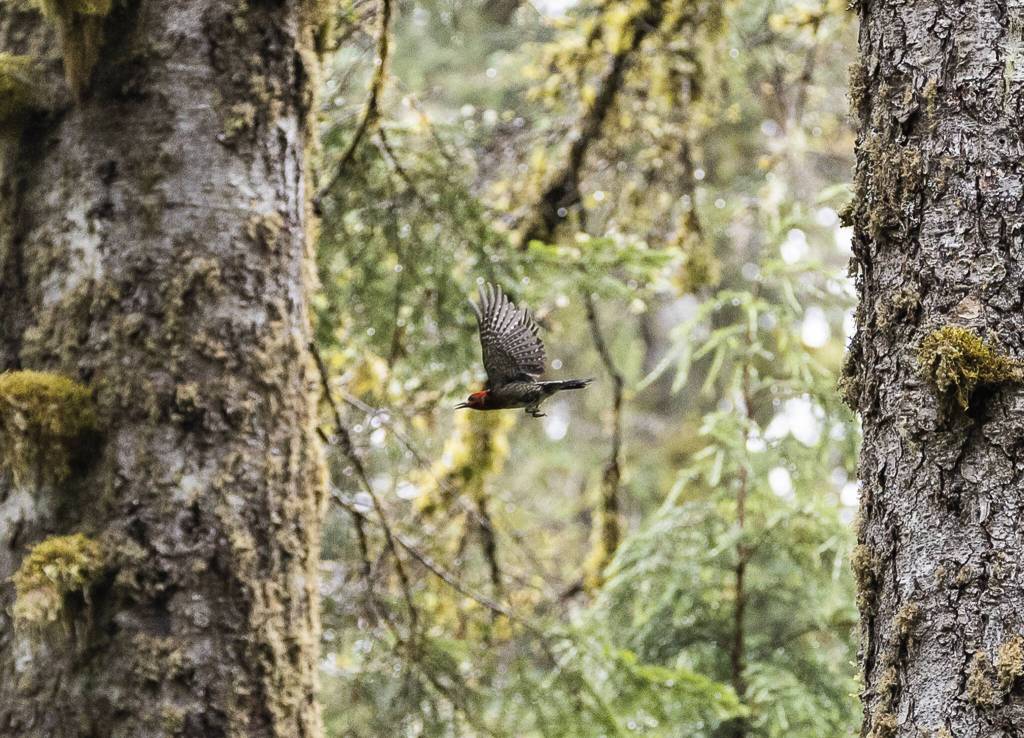
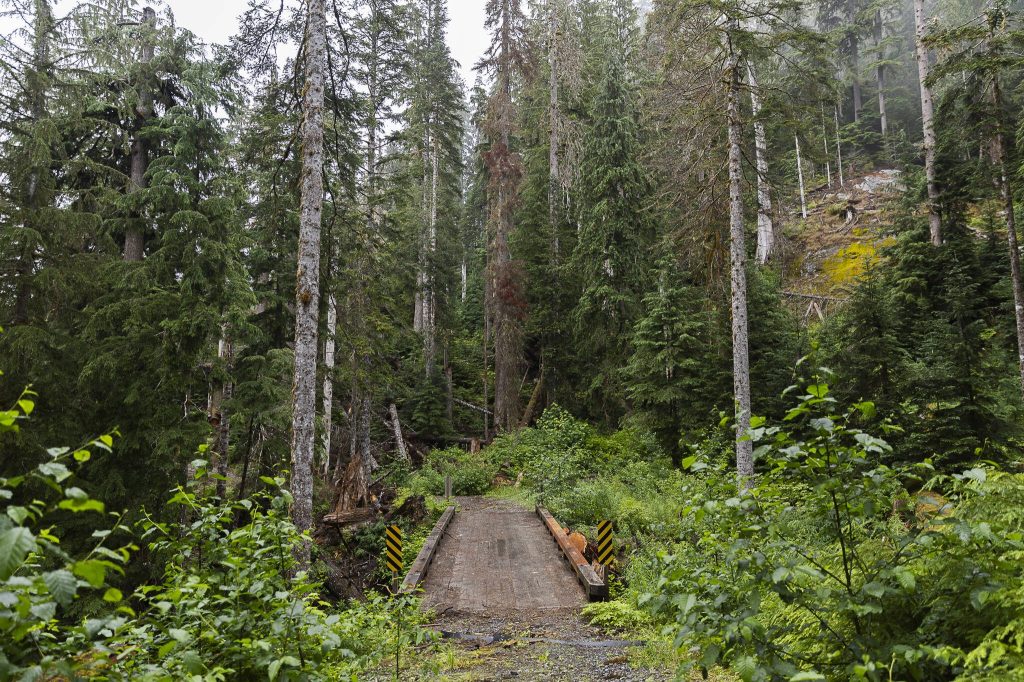

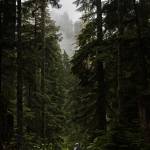
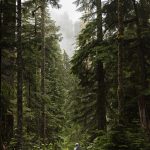
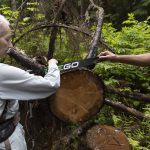
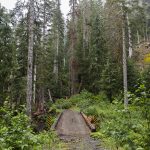
MONTE CRISTO — An hour drive from Granite Falls and an hour trek off the Mountain Loop Highway, the only sounds that fill the air are whistling birds, swishing leaves and the constant rushing of the South Fork Sauk River.
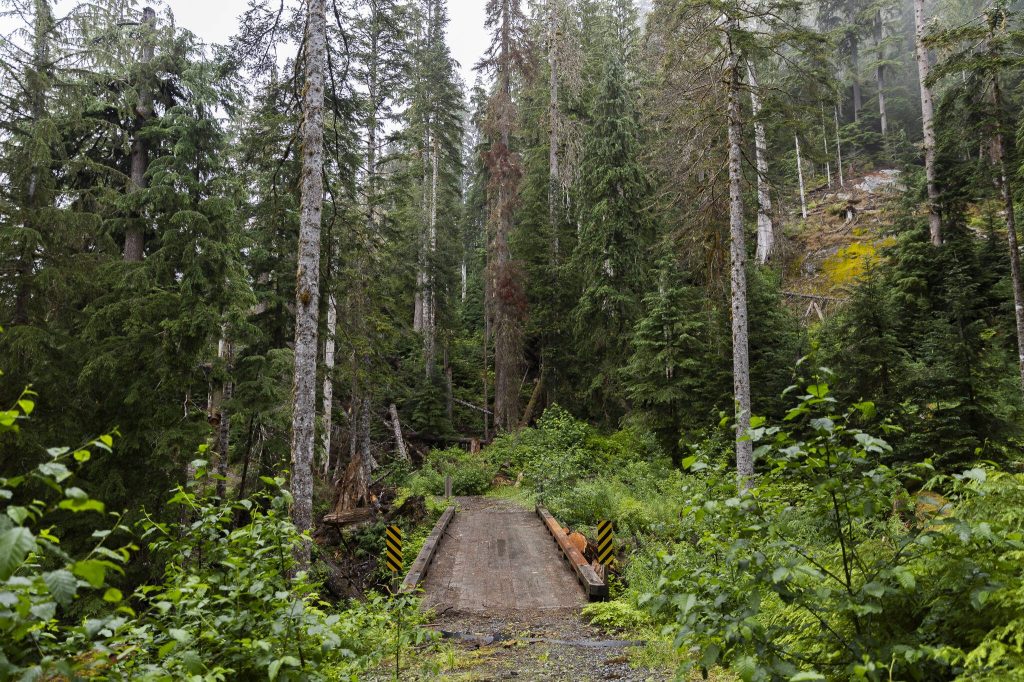
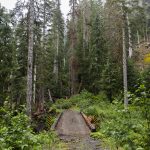
The lone indication of civilization is a degraded gravel road once used to access and remove material from old mining sites near the ghost town of Monte Cristo. Roads like this, which are currently an exception in the area, could become a common sight in the Mt. Baker-Snoqualmie National Forest.
On June 23, the U.S. Secretary of Agriculture announced the department’s plans to rescind the 2001 Roadless Rule, a U.S. Forest Service conservation measure prohibiting road construction, reconstruction and timber harvesting in certain areas to preserve undeveloped character and ecological values.
With the rollback, over 58 million acres of national forest will be open to road building and logging — including over 336,000 acres of Mt. Baker-Snoqualmie National Forest.
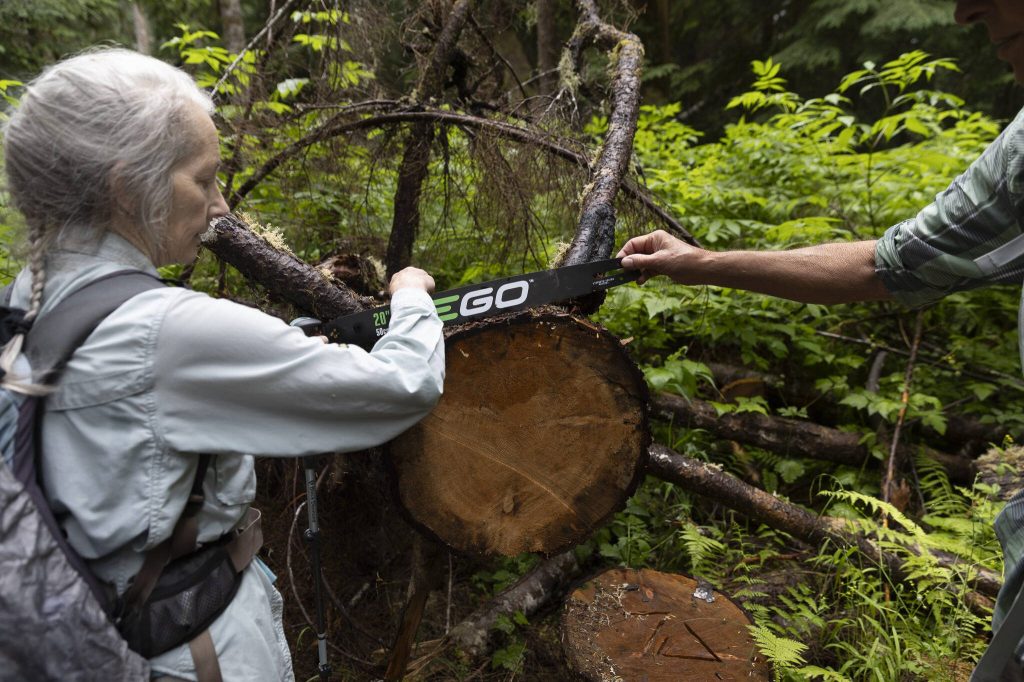
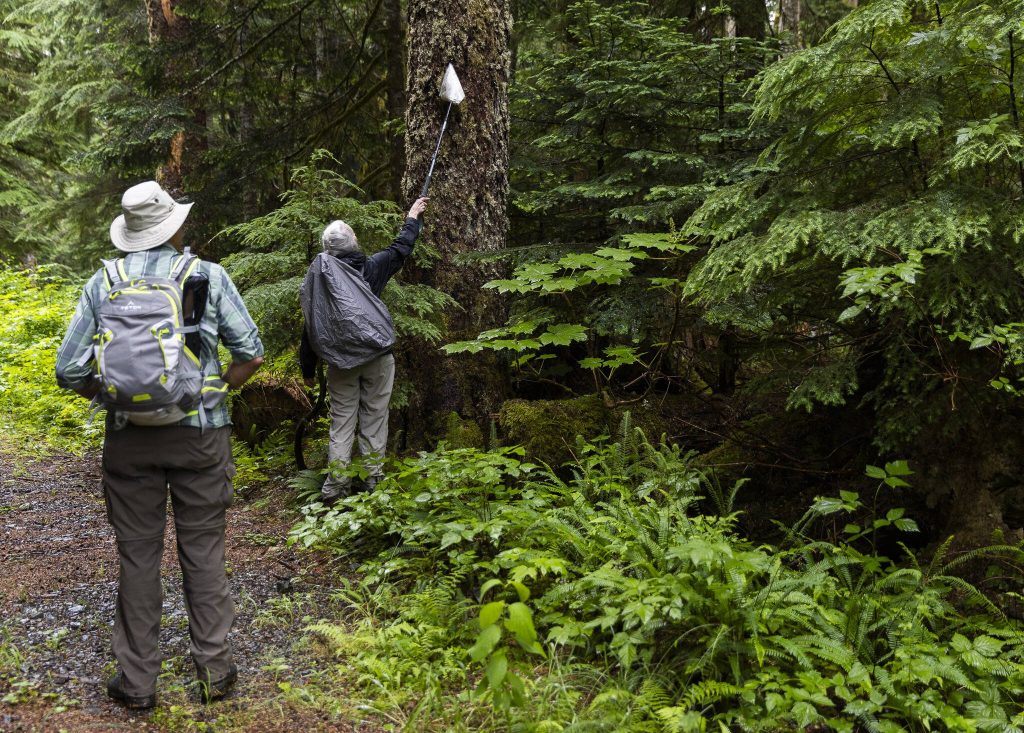
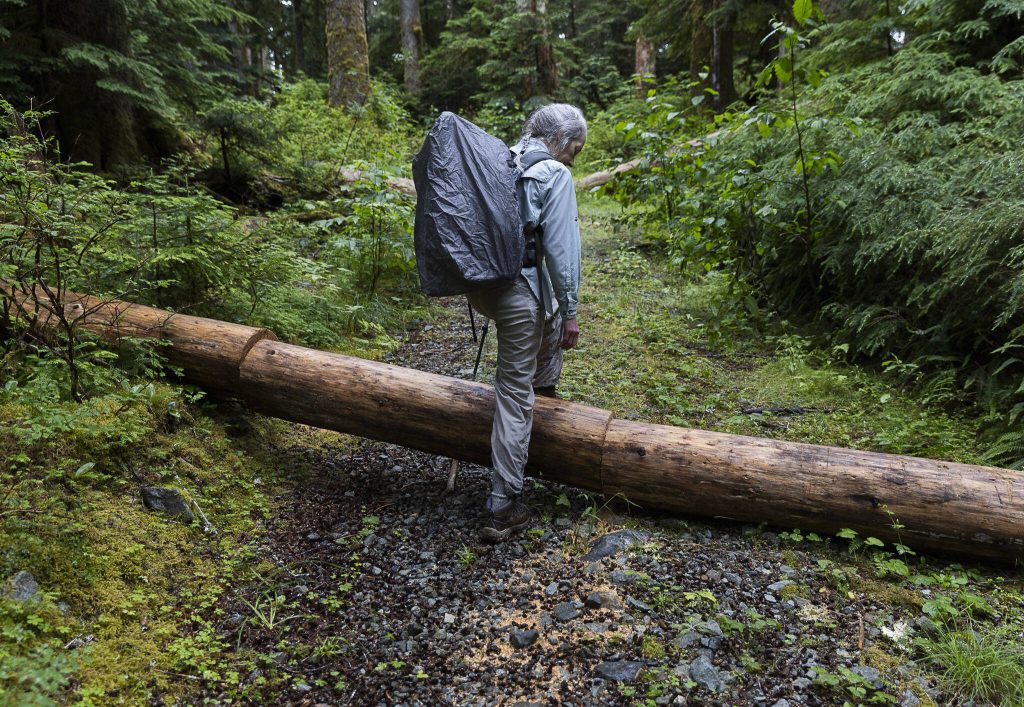
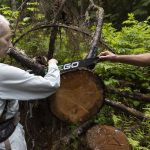
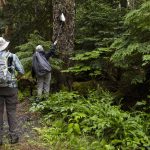
“It feels like one crushing blow after another,” said Kathy Johnson, a board member and the forest practices chair for Pilchuck Audubon Society, as she maneuvered through overgrown grasses, looking up at the canopy of 200-year-old trees. “It’s heartbreaking.”
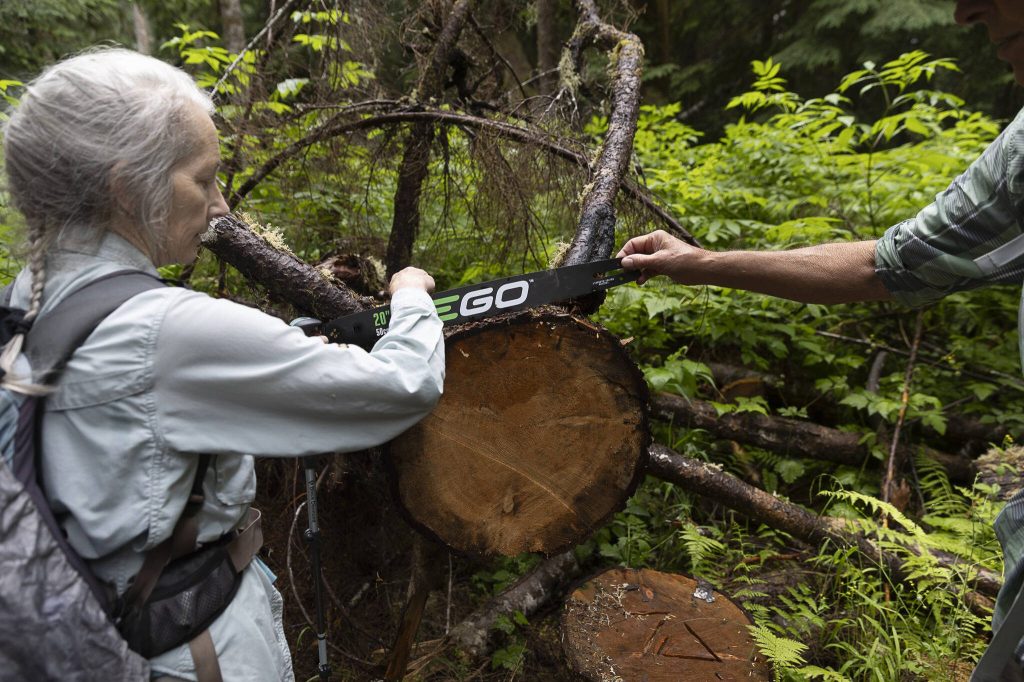
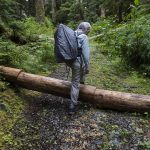
The path Johnson walked along on Thursday is called the CERCLA road, named for the Comprehensive Environmental Response Compensation and Liability Act. The Roadless Rule has exceptions, allowing infrastructure to be built in what are otherwise designated roadless areas for restoration and cleanup. In this case, that exception was for toxic waste removal from the old mines.
The short road faced backlash from environmentalists when former U.S. Agriculture Secretary Tom Vilsack approved construction in 2009 and 2021 because of its location in roadless area and the surrounding habitat being home to endangered marbled murrelets and spotted owls.
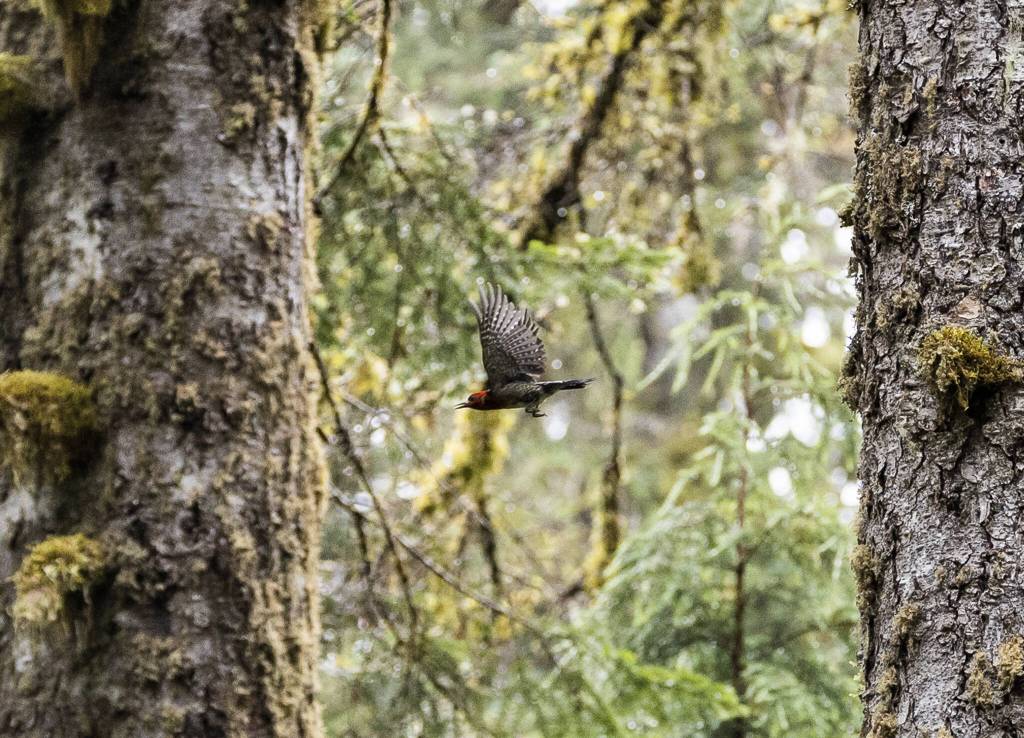
While spotted owls are commonly known in the Pacific Northwest because of the complex history between the population’s conservation and the region’s logging economy, marbled murrelets may be lesser-known.
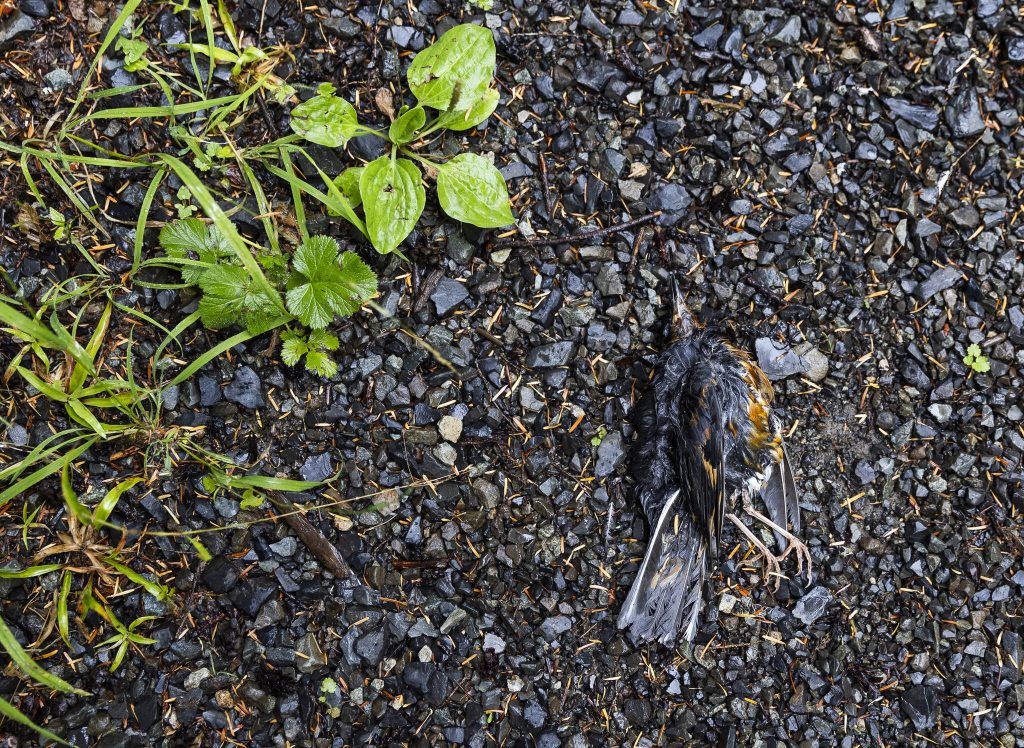
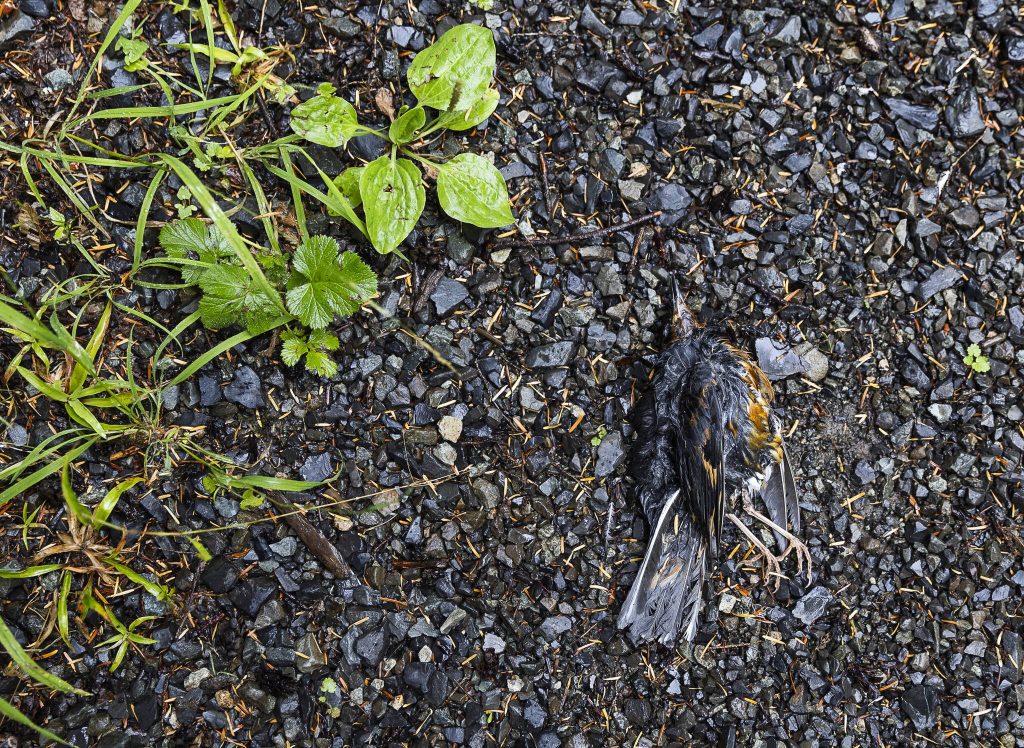
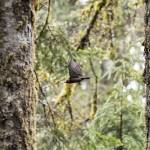
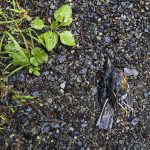
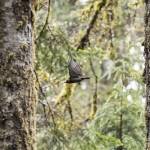
The small, robin-sized seabird is found along the West Coast, feeding in the Pacific Ocean but nesting in old-growth forests.
“There used to be plenty of those along the coastline, but now they will fly up to 50 miles inland to find” suitable trees, Johnson said. “They don’t build a nest. They just lay their eggs in the moss on a large branch.”
The birds were nationally listed as threatened in 1992, and Washington’s Department of Fish and Wildlife listed them as endangered in 2016 due to continued population decline. On June 30, the department sent out its recommendation to keep marbled murrelets on the list.
“Despite efforts to conserve nesting habitat and reduce threats at sea, marbled murrelets continue to decline in Washington,” said Jen Mannas, the department’s marine species lead. “Without effective action soon, Washington’s marbled murrelet population may become extinct in Washington in the coming decades.”
In addition to protecting critical habitat, the roadless rule was a recognition of the U.S. Forest Service’s maintenance deficit, said Dave Werntz, the science and conservation director for the nonprofit Conservation Northwest.
“We just don’t have enough money to maintain the roads that we currently have,” he said. “This was an effort to acknowledge that, instead of spending money on building roads, we could focus on keeping the roads that we have in good condition, in better condition.”
He added that roads act as major vectors for pollution into waterways, carrying sediment and whatever else the stream picks up into systems, which can smother salmon eggs and disrupt riparian habitat.
Roads are also vulnerable to landslides, he said, with climate change heightening risks, according to the state’s Department of Natural Resources.
During Secretary of Agriculture Brooke Rollins’ announcement of the roadless rule rollback, she claimed the move would help protect forests and communities from wildfires.
“Rescinding this rule will allow this land to be managed at the local forest level, with more flexibility to take swift action to reduce wildfire risk and help protect surrounding communities and infrastructure,” she said. “For example, nearly 60% of forest service land in Utah is restricted from road development and is unable to be properly managed for fire risk.”
But research states otherwise.
Nearly 90% of wildfires in the United States are started by humans, according to the Congressional Research Service. A lit cigarette butt or a campfire left with embers still smoldering could translate to tens of thousands of acres of charred habitat.
A 2022 research article studying cross-boundary fires — fires that jump between private and publicly managed land — showed most fires started on private land and more roads correlated to more fires.
“It really doesn’t make ecological sense, and it doesn’t really make economic sense,” Werntz said. “In fact, it’s really the opposite. This is going to really be harmful and put communities and wildlife at risk, and we are going to resist it.”
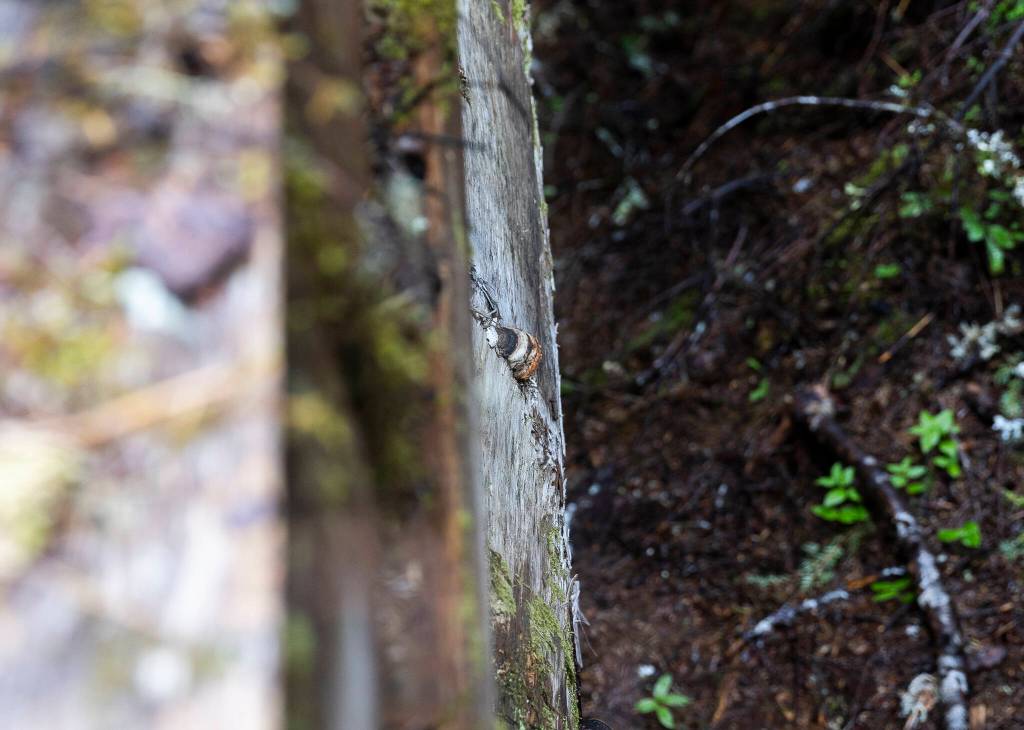
The CERCLA road to Monte Cristo wasn’t built to last. The path is steep, crooked and overgrown. Bridges across creeks were built with logs, which ants and fungus have begun to decompose.
If Trump is successful with his plan to rescind the Roadless Rule, the sounds of the forest could be replaced with the whirr of traffic, and the view of endless green could be marred by logging or fire.
“The loss of the Roadless Rule would be disastrous,” Johnson wrote in an email the day after walking the CERCLA road. “The economic benefits they impart, through providing ecosystem services in addition to supporting tourism, hunting, fishing, birdwatching… are priceless.”
Eliza Aronson: 425-339-3434; eliza.aronson@heraldnet.com; X: @ElizaAronson.
Eliza’s stories are supported by the Herald’s Environmental and Climate Reporting Fund.