SnoCo students perform well on metrics, state data shows
Published 1:30 am Saturday, September 20, 2025
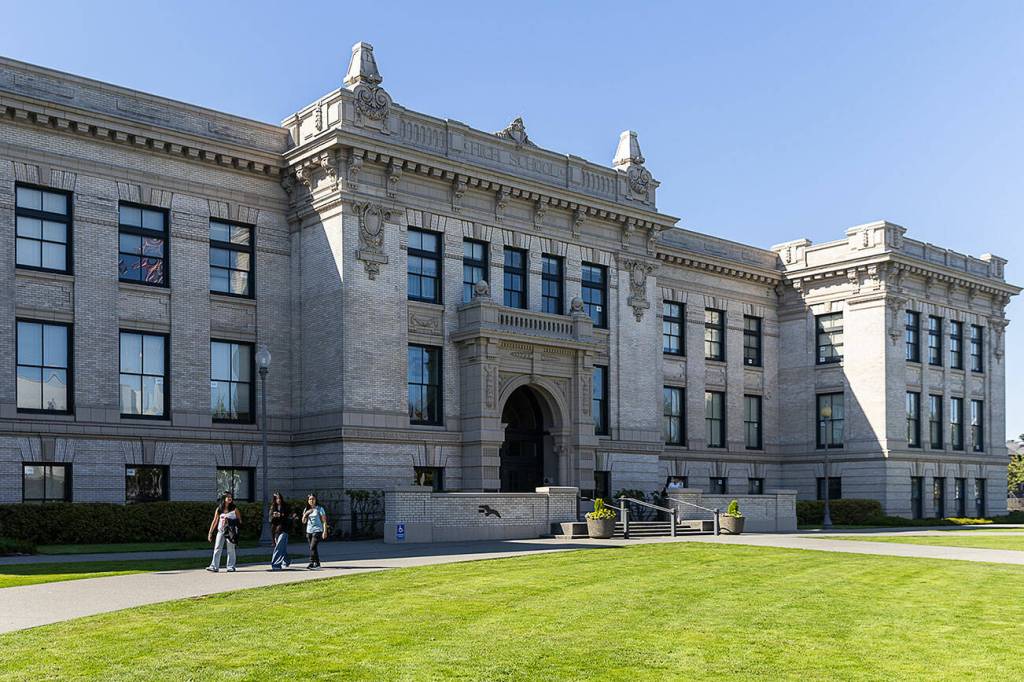


EVERETT — Students in many school districts in Snohomish County are meeting or outperforming statewide metrics for mathematics and reading, recently released state data shows.
Students are performing better than the statewide average on standardized tests in Everett, Northshore, Edmonds, Stanwood-Camano, Lake Stevens, Monroe and Snohomish school districts, according to state data. In Arlington, Sultan and Mukilteo’s school districts, results were about on par with the state average. Darrington, Granite Falls, Lakewood and Marysville school districts’ results were below the state average.
At Everett Public Schools, staff said part of the reason for students’ success was the use of diagnostic exams throughout the district to target support to the students that need it most.
“All the way down to the classroom level, we’ve got teams of teachers who know their students the best watching all manner of student performance, qualitative and quantitative, and frankly just watching the student develop and grow academically, socially and emotionally,” said Peter Scott, Everett Public Schools’ deputy superintendent.
Using data from the classroom helps teachers place more successful students in accelerated programs, and helps target interventions from support professionals for students who are performing below grade-standard, said Shelly Boten, the district’s chief academic officer.
Although the district has seen success district-wide, some gaps still persist. Like other districts across the state, Everett students coming from families with lower incomes, students who are homeless, students learning English and students with disabilities tend to score lower on the standardized tests, state data showed.
“These are all kids in our system who are … the furthest from educational justice,” Boten said. “We need to constantly look at what we are doing differently to help serve those students.”
Teachers have undergone training to help support students with learning difficulties, Boten said, using different teaching methods to bring students who need extra support up to speed. A levy-funded program also provides translation devices to students learning English, giving them help to follow along with instruction.
In the Marysville School District, staff are working toward improving scores and building growth in student knowledge following the COVID-19 pandemic, superintendent Deborah Rumbaugh said.
The district is working toward aligning classroom work to state standards to ensure children are able to build their knowledge and eventually show grade-level mastery, she said. Marysville also has intervention programs that work to improve outcomes for students who need extra help in aligning with state standards.
“Those supports create an on-ramp so students can access core instruction, which is kind of like the freeway,” Rumbaugh said. “We want to support students getting on that on-ramp so they can demonstrate their mastery at the pace of traffic on the freeway.”
On top of the challenges presented by the COVID-19 pandemic, the Marysville School District also had to grapple with a budget crisis that lasted years. As the district starts to turn a corner and improve its financial status, Rumbaugh believes that student performance will improve in tandem.
“Those two things are really going to go hand in hand, and those will be the two things that we focus on with all the energy we have for the next five years,” Rumbaugh said. “Then we should be in a place we should be as an organization that our kids and families deserve.”
Across the state, Washington students are performing at or above the national average on their standardized tests, Superintendent of Public Instruction Chris Reykdal said in a Sept. 10 press conference.
Scores on those tests statewide have yet to return to pre-pandemic levels. About 63 percent of students scored at grade-level in math, state data shows, and about 71 percent scored at grade-level in English. Before the pandemic, about 73 percent of students were at grade-level in math, and about 79 percent were at grade-level in English.
The data, however, does point to a positive trend as student performance is growing at a faster rate than before the pandemic, Reykdal said.
“This is the best news we’ve had in years,” he said.
The state plans to put efforts toward improving math scores specifically, Reykdal said, as Washington’s math scores have declined in relation to other states.
Reykdal said the Office of Superintendent of Public Instruction will seek $10 million from the state legislature to improve math scores. That money would fund training for kindergarten through eighth grade teachers and new software programs to teach children.
The standardized tests Washington administers along with a number of other states, known as Smarter Balance Assessments, are used to gather data about broader trends within an educational system, not analyze the performance of individual students, Reykdal stressed during his press conference. Many students who had scores below the grade-level average still go on to attend college, he said.
“It’s important that we all talk about Washington State, national context, international context, and never force kids to believe that they’re failing based on one assessment,” Reykdal said.
Will Geschke: 425-339-3443; william.geschke@heraldnet.com; X: @willgeschke.