Edmonds approves 0.1% sales tax for street, sidewalk improvements
Published 1:30 am Thursday, January 15, 2026
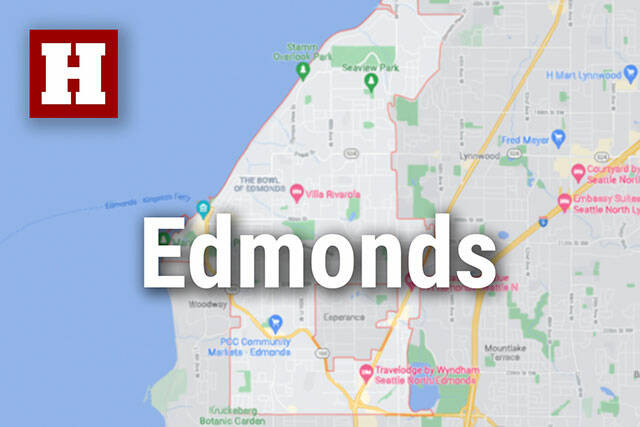
EDMONDS — The Edmonds City Council approved a 0.1% sales tax Tuesday that will go toward street and sidewalk improvements.
The tax revenue will allow the street maintenance division to return to 2024 staffing levels, adding three positions.
In 2008, the City Council voted to establish itself as a transportation benefit district. As a transportation benefit district, jurisdictions are allowed to pursue additional funding opportunities to put toward transportation, including the sales tax and higher vehicle license fees.
The earliest the city can start collecting the tax is April, allowing the city to collect about $660,000 in 2026, acting City Administrator Todd Tatum said Tuesday. Starting in 2027, the city would collect an estimated $1 million per year.
In 2018, the city’s street maintenance division recommended that the city invest $2.5 million per year in street maintenance and improvements, according to the council memo. Since then, the city has averaged an investment of $1.5 million per year.
With the additional positions, public works will be able to replace ramps compliant with the Americans with Disabilities Act, add cement finishing and proactively prevent trip hazards on sidewalks, Public Works Director Andy Rheaume said Tuesday. It will also allow the stormwater crew to focus on the storm system instead of working on streets.
The vote came as the city continues to recover from a failed property tax levy lid lift. In November, voters rejected the city’s proposed $14.5 million levy. The additional revenue would save the general fund $400,000 per year that is currently transferred to the street operations fund.
“We don’t have very many opportunities to be able to restore that sort of funding back to the general fund,” council member Susan Paine said. “This is one really good way.”
The council approved the tax by a vote of 5-2, with council President Michelle Dotsch and council member Erika Barnett voting no.
“This is adding another tax burden to our already tax-fatigued constituents and local businesses,” Dotsch said. “They are sending us that message loud and clear, to slow down. Even if this is viewed as a way to add more revenue to our transportation bucket, I believe there are other sources and avenues for emphasizing current revenue sources that can go to projects this year.”
The tax will last for 10 years and can be renewed for additional 10-year periods. Council member Vivian Olson — who voted against an 18-month utility tax increase in December — said the sales tax is a more sustainable solution. She said the city is working on implementing sustainable, non-tax revenues, such as business development.
“All of those ideas that we’ve been talking about that are not about taxes that are going to improve our financial situation, they take a while to implement,” Olson said. “I hope that the public recognizes how much we’ve struggled when we’re talking about these taxes and how much thought and investigation we put into these decisions.”
The additional 0.1% brings the sales tax rate in Edmonds to 10.7%. On Monday, Lynnwood approved a 0.1% public safety sales tax, also bringing it to 10.7%. The two cities are now tied for the highest sales tax in the state. Mill Creek and Mukilteo are just behind at 10.6%.
“I am very sensitive to the impact that this is going to have on retailers and restaurants, however, if we don’t have a functioning city government — if we can’t plow our streets when it snows and we can’t make sure the streets are drivable — how are people even going to get into town to be able to spend money at our businesses?” council Vice President Jenna Nand said. “That’s the situation we find ourselves in.”
Jenna Peterson: 425-339-3486; jenna.peterson@heraldnet.com; X: @jennarpetersonn.