Editorial: Protect utililty ratepayers as data centers ramp up
Published 1:30 am Saturday, February 7, 2026


By The Herald Editorial Board
It’s a utility bill you wouldn’t want to open, much less write a check for.
But then you aren’t using, for example, more than 600,000 megawatt hours of electricity in a year, nor using some 100 million gallons of water in the same period.
In a year, that’s enough power for about 56,000 homes, and enough water for 25,000 people.
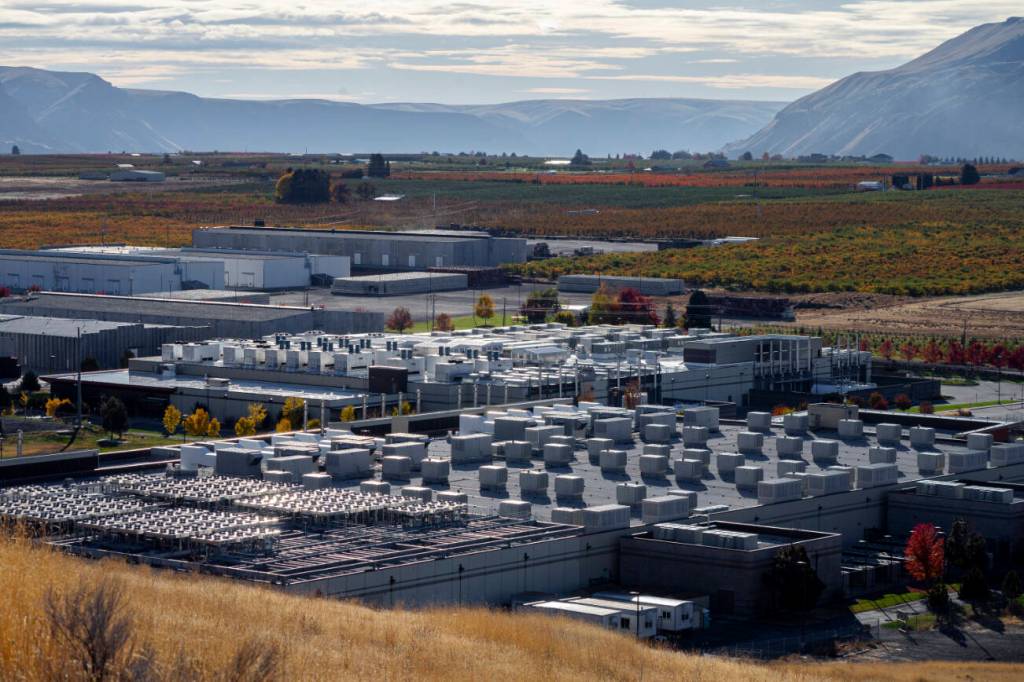
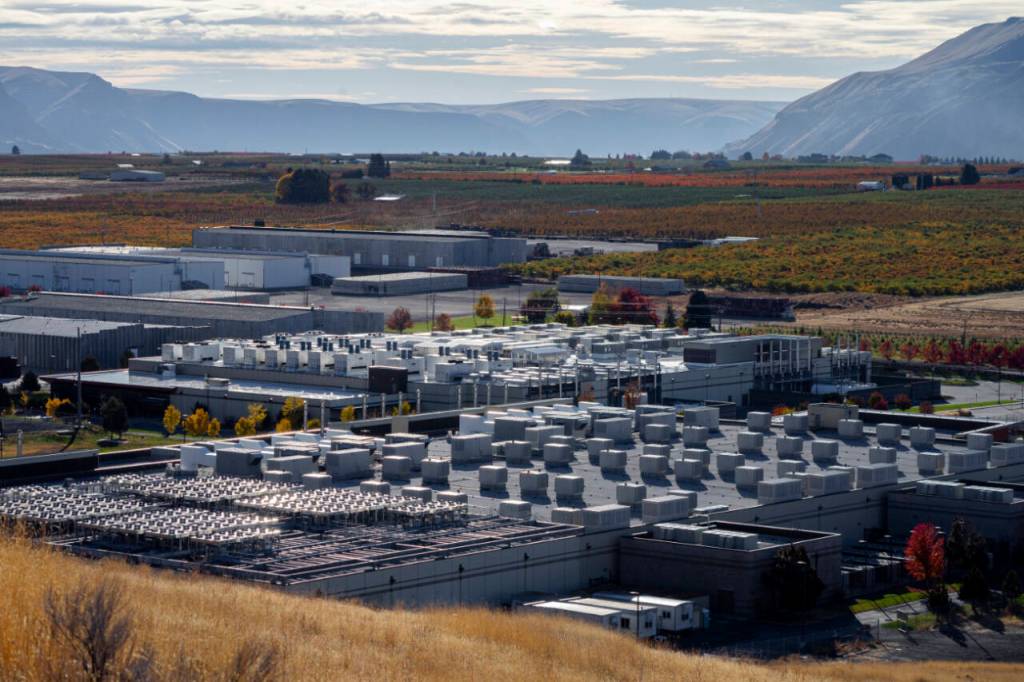
That’s the typical demand for a 100-megawatt data center, the massive computer-server farms that have been popping up across Washington state and the nation to fuel the growing demand for the internet, “cloud” storage and now increasingly by a new wave of artificial intelligence tools.
Thanks to the state’s hydro-electric dams, the state’s history of relatively low rates for both power and water have drawn the attention of tech companies looking to site data centers, leading to economic booms powered by jobs and local tax revenue in communities, particularly in central and eastern Washington.
But some, including state lawmakers, don’t want ratepayers opening utility bills that could result after the increased demands for power and water put pressure on those resources and increase costs for residents and businesses across the state.
“There’s just a great unknown about what is coming with the amount of energy use that is being demanded by AI and other cloud-related technologies,” said Rep. Beth Doglio, D-Olympia, urging passage of her legislation, House Bill 2515, before the House Environment and Energy Committee, recently.
At the same time, Doglio said the legislation intends to protect the state’s energy and water resources, honor the state’s treaty obligations by protecting salmon-bearing steams and rivers, assure electric grid reliability and support the state’s goal for a timely transition to 100 percent clean electric energy.
An attempt to get a handle on those unknowns and set some expectations has prompted legislation that is moving forward in both chambers.
Among requirements, HB 2515 and Senate Bill 6171 seek to:
Require electric utilities to set separate rate and policy for “large energy use facilities,” effectively data centers, approved either by the state utilities commission for investor-owned utilities or by the boards of consumer-owned utilities;
Require the data centers to publish forecast and use reports on annual water and electricity use;
Step up the timeline for the non-carbon-emitting clean energy use by data centers to 80 percent by 2036 and 100 percent by 2041;
Require data centers to limit use of electricity during periods of peak demand; and
Pay a half-cent per kilowatt fee to the state for programs for bill assistance for low-income rate-payers, weatherization projects and AI education programs.
The legislation has general support from community aid groups, environmental and clean-energy supporters and, at least in principle, support from utilities.
Among supporters testifying regarding one or both bills was a representative for the Snohomish County Public Utility District, Ryan Collins, who spoke in general support of the House Bill following recent changes to the legislation.
“We continue to support the intent of the bill, protecting ratepayers and ensuring growth does not spill over to our ratepayers,” Collins said.
There’s concern for ratepayers, but also for the state’s clean energy transition.
“We need guardrails in place to make sure ratepayers aren’t subsidizing data center build-out and that people’s energy bills don’t go up as a result,” said Leah Missik, legislative director for Climate Solutions. “Data centers should pay for their energy-related costs, including infrastructure, and make sure that is not passed on to rate payers.”
That infrastructure, in particular the state’s electric grid, is a concern because the state has a backlog of 250 clean-energy projects — including wind, solar and batter storage projects ready to go — valued at some $149 billion. At least one bottleneck is the slow rate of acceptance by the Bonneville Power Administration, which manages the electric grid in the Northwest, in allowing those projects to connect to the grid. BPA, we’ll note, is working on 20 transmission line and substation projects, totaling $5 billion in costs.
Yet, the more projects that do connect, the more energy flows to the grid, allowing a supply of electricity that can keep costs reasonable.
“We would like to see reporting on energy use, for example, so we know how our energy grid will be impacted and we can stay on track with our clean energy goals,” Missik said. “This bill will help us better understand data center demand and ensure we’re aligned with our clean energy goals.”
There’s also understandable push-back on the legislation, especially among those representing the smaller communities that have benefited from the planting of server farms, because of the jobs and local tax revenue provided. Make the centers more costly to run with higher rates, the concern is, and fewer will be built in the state.
Rep. Alex Ybarra, R-Quincy, pointed to the development that’s arrived in his town courtesy of the data centers, including a new swim center and indoor soccer fields that soon will host regional soccer tournaments.
“I hope that your communities in the future get those data centers, because they make a world of difference,” he said.
Last month, in a related editorial, we noted that the tech companies behind many of these data centers, are aware of the impact their resource demands could have on state residents and the environment. Microsoft, for example, has said it’s committed to “paying its way,” for its data centers and is volunteering that utilities should charge it rates that assure it pays fairly for the power it uses.
But even as Microsoft touts new technology that won’t rely on water to cool its server farms, it recently told The Seattle Times that it expects to use some 18 billion liters of water in 2030 worldwide, up 150 percent from what it used in 2020.
Microsoft’s “pay its way” pledge is encouraging, but the state shouldn’t rely on good intentions.
The demand that Microsoft and others are anticipating will require some head’s-up for the state through regular reporting of the use and forecasts for power and water by data centers. And the assurance of fair rates — set by public utilities and state’s utilities commission — can offer assurance to ratepayers that they are not footing the bill for chatbots’ energy and water consumption.
Lawmakers and those stakeholders involved in discussions should continue refining the legislation so it delivers on the stated goals, while at the same time working to unjam the bottlenecks preventing new sources of clean energy to connect to the grid.
Some persuasive discussions with BPA by Big Tech seem appropriate, as would related legislation.
We are immensely reliant on the internet to serve a full range of needs. As well, AI — along with some concerns — offers great promise in our lives. But that should not come at a cost borne heavily on the backs of ordinary ratepayers.