Prosecutor use of term ‘Mexican ounce’ overturns Everett drug conviction
Published 1:30 am Tuesday, September 20, 2022
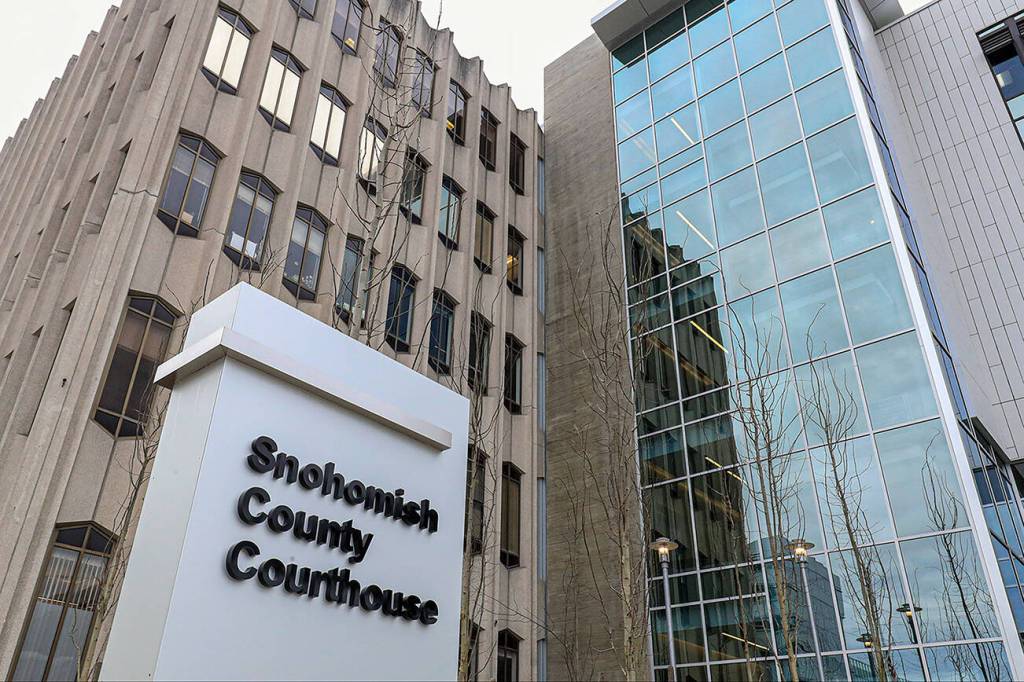
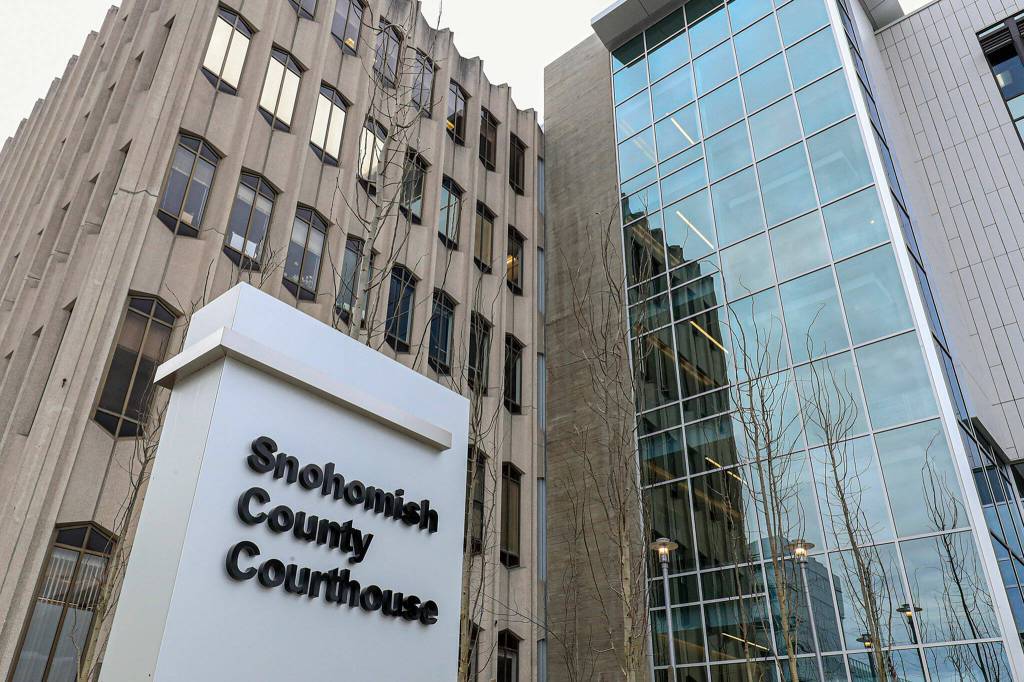


EVERETT — Finding a Snohomish County deputy prosecutor appealed to “race-based suggestion rather than evidence,” the state Court of Appeals on Monday overturned an Everett man’s conviction for felony drug distribution.
The appeals judges ruled the use of the phrase “Mexican ounce” to refer to heroin quantities in the trial of Jesus Ibarra Erives, 42, “improperly undermines the presumption of innocence.”
In June 2018, detectives from the Snohomish Regional Drug Task Force seized heroin and methamphetamine from an apartment south of Everett. Three years later, Ibarra Erives faced trial for the seized drugs.
At the trial in Snohomish County Superior Court, Ibarra Erives, who was identified as Latinx in court documents, used a Spanish intepreter, according to the appeals ruling.
During testimony, deputy prosecutor Adam Sturdivant questioned the investigation’s lead detective about the amount of drugs found. For heroin, he explained 25 grams is considered an ounce. The deputy prosecutor asked why.
“I don’t know what the answer is to why, but the term on the street is it’s a Mexican ounce across the board, regardless of who is selling or buying 25 grams of a Mexican ounce,” the detective reportedly responded.
In his closing argument, Sturdivant reused that phrase twice, referring to heroin packaged as a “Mexican ounce,” according to the ruling. Reached by a Daily Herald reporter Monday, Sturdivant declined to comment.
In a statement Monday, Chief Criminal Deputy Prosecutor Matt Baldock wrote that the argument was not an appeal to bias.
“Instead, he referenced a street term that was testified to by a Task Force detective and made an argument that was based on the facts and consistent with the law at the time,” Baldock wrote.
Prosecutors argued the phrase was relevant because it was “probative of the fact that 25 grams of heroin, despite not being an ounce, is a sufficiently common amount for sale that it has its own terminology.”
A jury convicted Ibarra Erives of possession of a controlled substance with intent to manufacture or deliver.
Superior Court Judge George Appel sentenced him to 16 months in prison.
Ibarra Erives appealed his conviction, arguing the remark suggested a Latinx person likely packed the drugs. In an email Monday, Nancy Collins, an attorney at the Washington Appellate Project who handled the appeal, argued “the prosecution took advantage of despicable stereotypes” to encourage a conviction.
In 2011, the state Supreme Court ruled that “not all appeals to racial prejudice are blatant.”
“Perhaps more effective but just as insidious are subtle references,” the justices wrote. “Like wolves in sheep’s clothing, a careful word here and there can trigger racial bias.”
And in recent years, the state’s higher courts have tried to address systemic racism in the criminal justice system. For example, in June, the state Supreme Court ruled a prosecutor in Eastern Washington intentionally appealed to jurors’ bias when he asked questions about illegal immigration, the U.S.-Mexico border wall and undocumented immigrants in the trial of a Latino man.
Monday’s ruling from the Court of Appeals repeatedly cites that opinion, known as State v. Zamora.
That case extended the test for race-based misconduct to prosecutors, beyond jury selection and police stops. The standard asks if an objective observer “aware of the history of race and ethnic discrimination in the United States and aware of implicit, institutional, and unconscious biases, in addition to purposeful discrimination” could view a prosecutor’s remarks as appealing to prejudice.
Following that precedent, Judge Bill Bowman ruled such an objective observer “could view the prosecutor’s use of the term as an apparently intentional appeal to jurors’ potential bias — a suggestion that Ibarra Erives was more likely to have possessed drugs packed to a ‘Mexican ounce’ because he speaks Spanish and appears to be Latinx.”
The ruling sends the case back to Snohomish County Superior Court for another trial. In a statement, Ibarra Erives’ public defender Dustin Drenguis applauded the decision.
“Mr. Ibarra Erives looks forward to an opportunity for a fair trial on the merits of the case, not one that is influenced by negative racial stereotypes,” Drenguis wrote. “Appellate courts have said over and over that the use of race-based arguments in trial must stop. We hope Snohomish County Prosecutor’s office will no longer tolerate the use of these stereotypes in prosecuting community members of color.”
Baldock said the prosecutor’s office “will adjust our practice to comport with the courts’ rulings.”
Jake Goldstein-Street: 425-339-3439; jake.goldstein-street@heraldnet.com; Twitter: @GoldsteinStreet.