WSDOT proposes big changes to Hwy 99 in Snohomish County, Lynnwood
Published 2:50 pm Friday, January 16, 2026
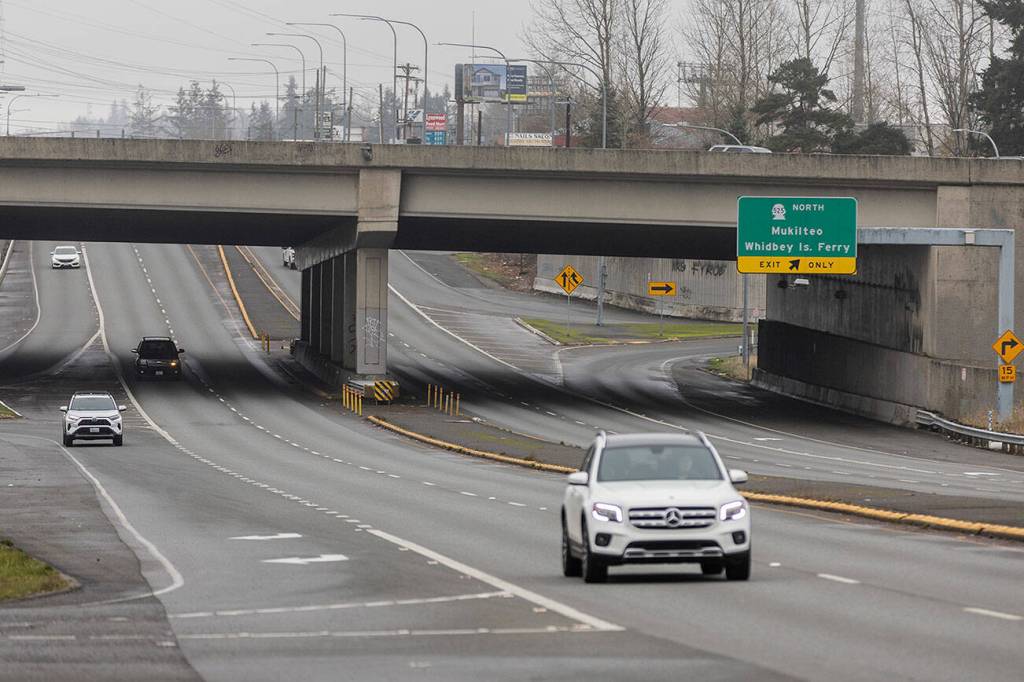
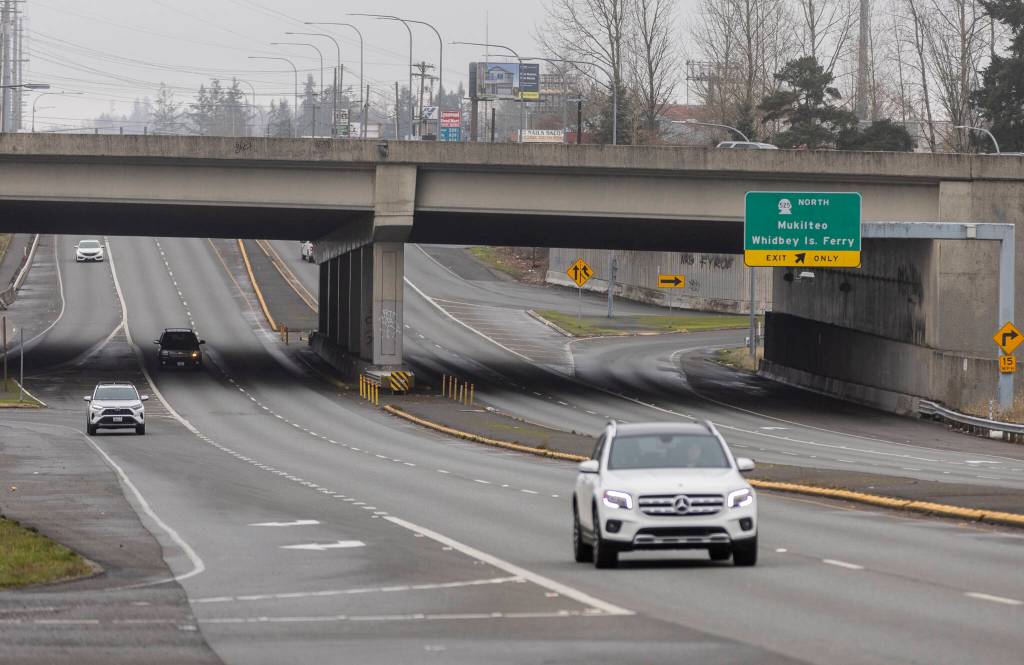


EVERETT — The Washington State Department of Transportation is planning for more than $600 million of upgrades to be made to Highway 99 in unincorporated Snohomish County and Lynnwood, in an effort to improve safety for pedestrians, cyclists, transit users and drivers.
WSDOT began studying possible improvements to 6.6 mile corridor between Airport Road and 212 Street SW in 2023 after receiving state and federal grants to fund the research. In December, the agency released a draft report listing the possible improvements that could arise after years of phased construction.
The Urbanist first reported on the release of the draft study.
What’s wrong with Highway 99?
For people walking, biking and rolling, there are a lot of problems, according to the draft report. Here are examples the state Department of Transportation pointed out in the study:
• The road can be dangerous, particularly for pedestrians and cyclists.
Between 2019 and 2023, there were 62 crashes that led to fatalities or serious injuries along the corridor. Of those 62 crashes, 24 involved a pedestrian or a cyclist. Most of those crashes occurred from either turning conflicts at intersections or vehicles striking stationary objects, like light poles or trees, according to the draft report.
The Puget Sound Regional Council has included the road in its high-injury network, a map compiled by the planning body that uses data from traffic-related injuries and fatalities to show areas in need of infrastructure investments.
• There aren’t enough sidewalks.
Within the city of Lynnwood, sidewalks are present on most blocks, but are often narrow with limited or no buffers separating pedestrians from cars. In unincorporated Snohomish County, there are areas where sidewalks are completely missing, leaving few options for pedestrians, the draft report read.
• Or crosswalks.
Signalized intersections along the stretch of Highway 99 in unincorporated Snohomish County are roughly a quarter to a half mile apart, the report read, creating long walks or rolls for pedestrians looking to get across the road.
• Or bike lanes.
Right now, people riding bicycles along Highway 99 are forced to share general purpose lanes along the busy road or ride on sidewalks.
• Speed limits are too high.
Research has shown that when speed limits are lowered, speeds, crashes and injuries usually decline.
Why does it need fixing?
• A lot of people live there.
124,502, to be exact, live within a half mile of the study’s corridor, according to the draft report. Among those people, 12.4% reported experiencing a disability, and 3.2% of workers in that area have no car available. The Swift Blue Line, Community Transit’s bus rapid transit service operating along the corridor, is the agency’s most popular route.
Between 32,000 to 39,000 vehicles use the road daily, according to WSDOT. It’s also a frequently-used freight corridor, with over 1,000 trucks using the route every day.
• More people are coming.
Snohomish County’s comprehensive plan estimated that the population of the unincorporated southwest area of the county could grow by 83,000 people through 2044, and it zoned areas along Highway 99 as places for denser, mixed-use developments with homes and businesses. Lynnwood’s most recent comprehensive plan update also zoned areas of Highway 99 for mixed-use development. A provisional light rail station — yet to be funded — is also planned for the intersection of Airport Road and Highway 99.
• And they need a way to get around.
As more people begin to live along the corridor, they will also need access to alternative transportation methods besides driving to prevent congestion.
What can be done to make it better?
As part of the plan, WSDOT hopes to make a number of improvements along the entire 6.6 mile corridor:
• Build walking and biking paths
Throughout the study area, WSDOT recommends building shared bicycle and pedestrian pathways, though the design of the paths will likely differ in certain areas of the corridor.
• Add landscape buffers
The buffers will be in place in the median between both directions of car travel. They will also in between the road and the walking and biking paths, separating pedestrians and cyclists from vehicles.
• Implement business access transit lanes (bus lanes that allow cars to take right turns)
Putting in bus lanes comes with more benefits than just improving the speed and reliability of transit. Research has shown that bus lanes can improve ridership numbers and boost retail activity along corridors.
• Lower speed limits
WSDOT proposed dropping the corridor’s speed limit from 45 miles per hour to 40 mph, and to further study certain areas where it could drop to 35 mph.
The plan also includes a number of planned spot enhancements to be build along the corridor, including improvements to intersections, more crosswalks and potentially rerouting transit stops closer to crossing areas.
So, how do we build all that?
Those upgrades won’t come cheap. In 2025 dollars, they would cost between $660 million to $780 million, according to the draft report. Maintaining the corridor with all of the recommended improvements would also cost between $2.8 million to $3.2 million every two years.
The draft study doesn’t identify any specific funding to implement the recommendations it listed. Fully building out the vision of the study will require contributions from a variety of sources and collaboration across government agencies, the report read. Possible ideas to move construction along include utilizing redevelopment projects to make right-of-way improvements, including private development and planned public transit improvements. It’s likely the improvements will be phased over many years.
I have thoughts about all of this!
Good. WSDOT wants to hear from you. An online open house, including a survey, is live through Tuesday: engage.wsdot.wa.gov/sr-99-lynnwood.
Will Geschke: 425-339-3443; william.geschke@heraldnet.com; X: @willgeschke.