Forum: To make investments we need, wealthy can pay fair share
Published 1:30 am Saturday, December 20, 2025
By Charles Adkins / Herald Forum
I grew to care about economic issues at a young age because of my first-hand experience seeing deep poverty.
On the Yurok Indian Reservation in northern California where I grew up, many were unemployed and almost 70 percent did not have electricity. When I had to choose between staying at one of the few remaining Native American boarding schools or returning back to my abusive father, I found myself experiencing homelessness. As I couch-surfed and cycled through shelters all the way to my high school diploma, I became determined to make sure no student would ever have to face the hardships that I did.
After Washington state grants and scholarships allowed me to attend college, I saw how a little public funding early in life can prevent huge costs later on. If you help a kid get through college after experiencing homelessness at 16, they’re less likely to end up on the streets, doing drugs or committing crimes. The later we try to break the cycle, the more we have to spend to make up for a lifetime of suffering and trauma. So you would think that in such a wealthy society, we would be able to deliver on the promises we make to our kids; getting them free school meals, wrap-around services for homeless youth, and funds for college. But time and time again, we are told no.
Washington state lawmakers have passed good legislation in recent years, funding childcare and early education through a capital gains tax on ultra-wealthy stock market profiteers. They also passed the Working Families Tax Credit to return cash to low-income families. But when it comes to taxes, they have left many more progressive options on the table. Last year, they failed to pass a tax on excessive Wall Street wealth to help fund our schools, and allowed wealthy corporations to stay exempt from paying payroll taxes on their highest paid employees. They allowed corporate pressure to get to them, and instead dialed up regressive taxes that disproportionately affect the very people our tax dollars are meant to support.
In Indigenous communities, we are taught that we have a responsibility to each other. Here in modern Western society, it sometimes feels like we have no social contract beyond allowing a few people to become obscenely wealthy. It is frustrating that we are constantly having to have these fights over budget cuts when the rich and powerful are getting away with paying far less than what the average working person pays in taxes. Due to our historic lack of political appetite for progressive taxes that factor in your ability to pay, the state has to get its revenue through regressive sales and property taxes.
We tax an elderly couple on a house that they bought in the 1960s or ’70s, a family buying a minivan, or a college student when shopping for school supplies. But we don’t properly tax a billionaire making the vast majority of their wealth from the stock market. If you are poor in Washington, the share of your income that you pay in taxes is three times higher than paid by the richest CEOs. Meanwhile, those CEOs are enjoying the benefits of the society we are building; the same roads, the environment we all live in, and the employees that have benefited from the wonderful education system we have in this state.
Because of this imbalance, plus the extra budget cuts from the feds, our cities are facing huge funding issues. Locally, we are seeing city officials forced to degrade services that made Everett a really nice, attractive place to live. The cuts have gone further than just closing the city swimming pool and petting zoo. They have impacted critical prevention programs, social work, libraries; even the funding for Cocoon House, the place that gave me shelter in my teens.
Although Everett schools’ finances are still very stable, our neighbors up in Marysville had to close several schools. As the state is unable to collect enough from our upside-down tax code to fully fund schools, cities are forced to go to the voters to get the needed funds. Even cities like Everett, which has a willing voter base and wealthy enough property-owners, struggle to raise enough to fulfill all our promises to students.
Washington state will be at a crossroads as the Big Billionaire Bill (HR1) slashes budgets for healthcare and food support to give even greater tax cuts to the wealthy. Will we finally make wealthy corporations and individuals pay what they owe to back-fill budgets, or will we further cut our way into oblivion?
Our local lawmakers will be making that choice in January, when they have another shot at passing popular progressive revenue proposals like a wealth tax and high salary payroll tax.
I love the saying that budgets are moral documents, and what we fund or don’t fund are a reflection of those morals. Will we spend our money on massive tax exemptions for investment banks and CEOs, or would we rather it go to our kids? Our state lawmakers in Olympia must face the fact that they cannot keep their promises to working people, while also keeping promises made in back rooms to wealthy donors and corporate lobbyists.
When they are looking for things to cut, they should be looking first at corporate welfare, not services for working families and people.
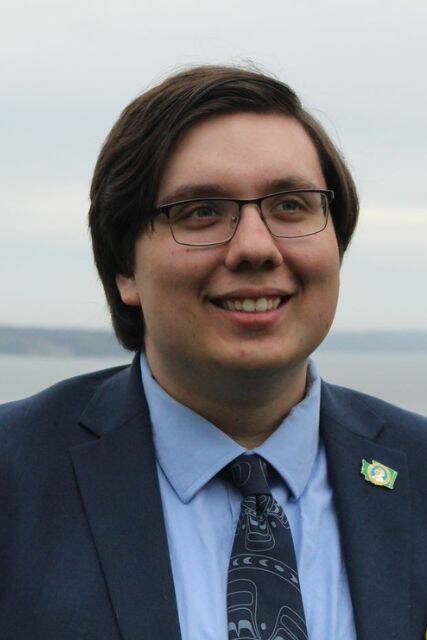
Charles Adkins is an advocate, elected school board member for the Everett School District and enrolled member of the Yurok Tribe.