State’s new Clean Fuel Standard takes aim at climate-changing pollution
Published 1:30 am Sunday, August 21, 2022
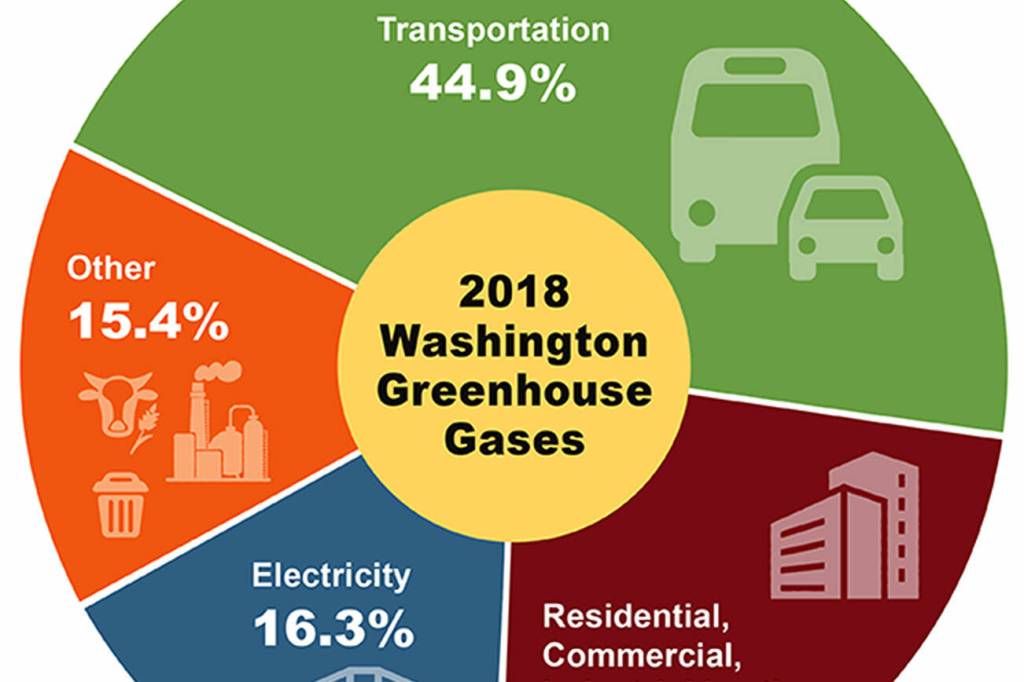
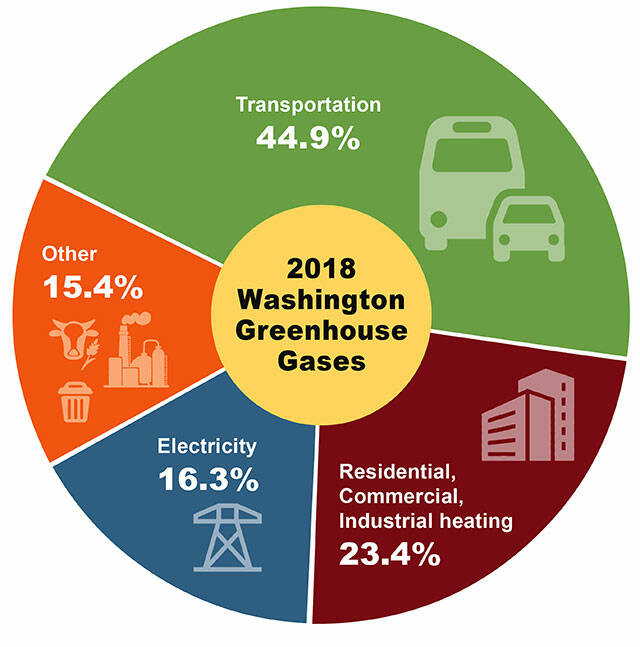
EVERETT — A mammoth accounting ledger. A carrot-and-stick rule with a focus on incentives. However you describe it, Washington’s proposed Clean Fuel Standard has a simple goal: reducing vehicle-related carbon pollution, which accounts for almost 45% of statewide greenhouse gas emissions.
It is a flagship policy in Washington’s fight against climate change, said Joel Creswell, climate policy section manager for the Department of Ecology’s Air Quality Program.
The standard will apply only to fuel producers. Still, residents may want to take advantage of the chance this month to comment on the standard, which will be finalized this fall and goes into effect on Jan. 1. The stakes are high.
“We are all feeling the effects of climate change here in Washington,” Creswell said. “We have wildfire smoke, the winter ski season is getting less predictable, we have all kinds of climate events. We know we need to rein in greenhouse gases.”
The proposed standard will be explained, and comment taken, during a virtual public hearing at 10 a.m. Tuesday.Details about that, and a link allowing online comment, are available at bit.ly/WAcleanfuel. Mailed comments should be sent to Rachel Assink, Department of Ecology, Air Quality Program PO 47600, Olympia WA 98504-7600. The comment period closes on Aug. 31.
The Clean Fuel Standard, mandated by the Legislature in 2021, requires suppliers to gradually reduce the carbon intensity of transportation fuels to 20 percent below 2017 levels by 2038. Ecology officials agreed with environmental groups and the Puget Sound Clean Air Agency that they can reach that goal by 2034, despite industry concerns that the supply of lower-carbon fuels may not be adequate. People who dive into the 95-page proposed standard will find the emission reduction timeline on page 87.
In creating its first fuel standard, Washington follows the lead of California and Oregon. It works this way: Ecology looks at every transportation fuel – gasoline, diesel, electricity, natural gas, etc.— and determines how many grams of carbon dioxide it creates per unit of fuel energy.
“If a fuel is above the standard we set, that generates a deficit. If it is below, it generates a credit,” Creswell said. “At the end of the compliance year, the fuel producers have to trade debits for credits, so there is an incentive to either reduce carbon emissions or not sell as many of those fuels.”
Or they can do nothing and simply buy credits.
The standard ratchets up over time, so carbon emissions continually decline to near zero. Under a 2020 law, Washington is required to reduce its overall greenhouse gas emissions 95% by 2050.
Fuel producers could reduce emissions by improving the efficiency of production processes. They could produce low-carbon biofuels into the fuel they sell, or blend them in, for example increasing the amount of ethanol in gasoline. Or they could purchase credits generated by low-carbon fuel providers such as the region’s hydropower-based utilities.
Those credits will include electric vehicle charging for home use, building on programs such as one already offered by Snohomish Public Utility District. Credits will also go to build the public charging networks, purchase electric buses and encourage electrification through other means. The credits won’t, however, fund rebates for personal electric vehicle purchases. (There is a state sales tax exemption and federal income tax exemption to help with that.)
The new standard will prioritize improving air quality in high-pollution, low-income neighborhoods.
“They are often located right near the major transportation corridors and the ports,” Creswell said.
According to a cost-benefit study commissioned by Ecology, the fuel standard will raise the cost of gasoline by 1.7 cents per gallon by 2024 and by 19 cents by 2038. That’s in the lowest-cost scenario. Creswell thinks the increase will be hard to discern given price fluctuations in the global fuel oil market. On the flip side, the study predicts that cleaner fuels such as biodiesel and electricity will get cheaper, that there will be a net increase in jobs, and that fewer people will die because of air pollution.
The standard does not apply to aviation, marine, locomotive or other specialty fuels.
Ecology is posting the latest online feedback as it is received. Among the informal comments solicited in the spring were a wide variety of notes and letters from environmental groups, oil companies, farmers, the Puget Sound Clean Air Agency, Carbon Removal Buyers, Sound Transit, Tesla — even the National Sorghum Producers weighed in, promoting their product as an eligible biofuel.
Commenters have challenged how carbon intensity is measured, asked for more public transit support, and sought assurance that plug-in chargers wouldn’t jeopardize consumer privacy. Some residents, sure that the new rule will cost them more, argued against it. Others said it’s high time for such strong action against climate change.
Commenters often asked for a fuel standard that either mirrors or goes beyond what other states require. For example, Tesoro — a refinery and marketing subsidiary of Marathon Petroleum — wants Washington’s calculation of fuel carbon intensity to be the same as Oregon and Washington’s. And it would like Washington to make credits available to build refinery capacity for lower-carbon fuels.
Leah Missik is deeply familiar with the complex Clean Fuel Standard. As transportation policy manager for Climate Solutions, she lobbied for it. She’s excited about its potential impact and is glad to see Ecology’s decision to aim for a 20% carbon reduction by 2034 instead of the legally mandated 2038.
“One thing we’re really excited about is the reinvesting of credits” in clean technology, she said.
But when the Clean Fuel Standard becomes law, Missik sees more work ahead.
“We need zero emission heavy and medium-duty vehicles, from school buses to garbage trucks,” she said. “That is one of the next big areas.”
Julie Titone is an Everett writer who can be reached at julietitone@icloud.com. Her stories are supported by The Herald’s Environmental and Climate Reporting Fund.