Tribal and non-Indian anglers ‘fighting over the last fish’
Published 7:30 pm Friday, May 6, 2016
LACEY — A demonstration in front of the Lacey satellite office of the National Oceanic and Atmospheric Administration this week brought back some uncomfortable memories.
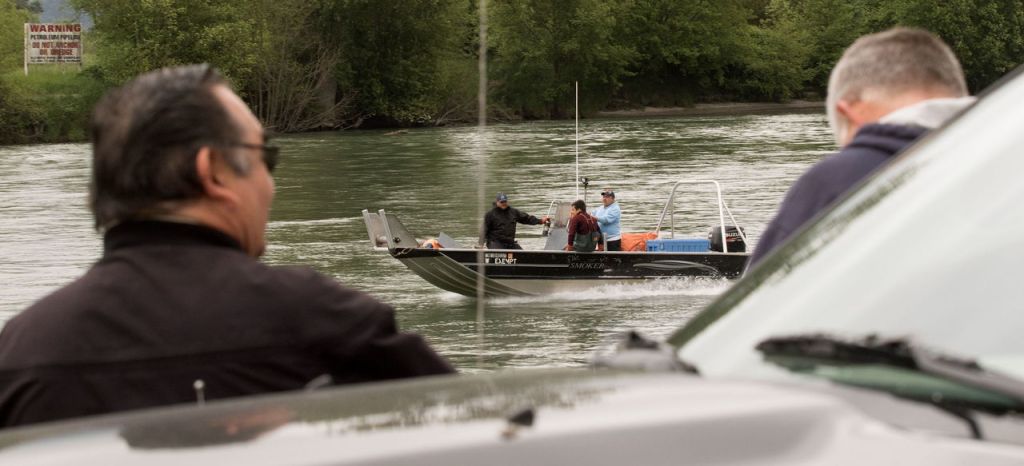
It was a gathering of fishermen protesting against members of several local tribes fishing for spring chinook salmon. The tribal fishermen meanwhile were asserting their treaty rights to catch the first salmon returning to their native watersheds, as they always have.
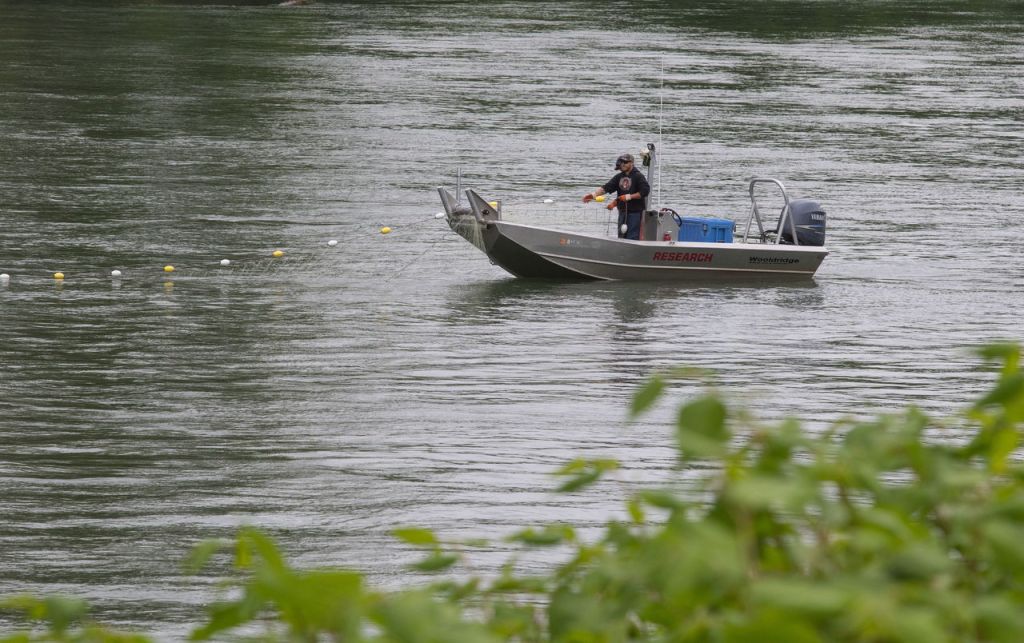
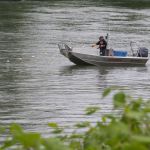
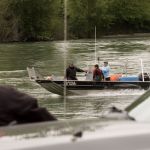
On the Skagit River, members of the Swinomish Indian Tribal Community and the Sauk-Suiattle Indian Tribe went out Wednesday to try and catch the first of the spring chinook salmon.
One of those members was Brian Cladoosby, the Swinomish tribal chairman and current president of the National Congress of American Indians. He went out Wednesday with his 83-year-old father, stringing up set gillnets across the river.
“The first day we made around 20 sets on the water for one king salmon,” Cladoosby said. They ate it that evening.
“It was delicious,” he said.
On Thursday, he went out alone, and caught only three sturgeon, which he released.
“It was very, very poor fisheries,” Cladoosby said. “I’m glad I’m not trying to make a living at this.”
This year, in the face of record low estimates of returning fish, the state and Northwest Native American tribes for the first time in 30 years failed to come to an agreement for an inland fishing season.
The tribes then sent in their own permit application to NOAA Fisheries, agency spokesman Michael Milstein said.
On May 1, the state Department of Fish and Wildlife closed most inland river fishing areas to sport fishermen.
The tribes previously had scheduled their season to start in May, but with the breakdown in talks in April, there were concerns there would be no salmon to mark the start of the season.
Then on May 3, the federal Bureau of Indian Affairs determined that a limited tribal harvest of 1,250 spring-run chinook wouldn’t violate the provisions of the Endangered Species Act. In effect, it gave the tribes the green light to go ahead.
That small harvest is included in the tribes’ permit application to NOAA, Milstein said.
“BIA determined that these early fisheries could proceed without our determination because they are small in magnitude, with limited impacts that would not foreclose our (NOAA Fisheries’) ability to make adjustments later,” Milstein said.
The state submitted its own permit application Friday for sport and non-tribal commercial fishermen.
NOAA intends to rule on the scheduled May fisheries, probably as soon as next week, before making a determination on the rest of the season, Milstein said.
Fighting over numbers
With the fishing season in a state of uncertainty, tempers have started flaring.
On Thursday, the fishermen at NOAA’s Lacey office waved placards reading “Save Our Fisheries” and “Fairness for All.”
Speakers standing in the bed of a pickup truck exhorted them to press state and federal leaders for action.
“We don’t feel like we’ve been treated equally and we’re unhappy with what’s going on,” said Ron Garner, of Monroe, president of the Puget Sound Anglers. “We don’t feel like we’ve got a full-blown and equal share to our fisheries. We’ve got to keep the heat on NOAA to come up with a permit to get us back on the water.”
The state Department of Fisheries and Wildlife estimates that 5,667 chinook salmon have been caught so far this year in the marine areas stretching from the Strait of Juan de Fuca into North Puget Sound.
“The majority of these fish are summer-fall hatchery stocks,” said John Long, the department’s salmon policy lead.
The state doesn’t have an estimate as to how many spring run chinook were caught in the marine area before they reached their terminal river systems, nor does it have estimates for those caught in the South Sound or Hood Canal areas, Long said.
Cladoosby said those numbers belie the sports fishermen’s claim.
“It’s very disingenuous for these people to say only Indians are catching kings, that’s just not true,” he said.
He added the tribal fishermen would be lucky if they caught 300 of the 623 chinook that are allotted to the Swinomish and Sauk-Suiattle Tribes in the Lower Skagit River this month.
Low returns expected
When fisheries managers gathered in April to set seasons in the marine and inland areas, they were looking at a bleak situation.
The state and tribal representatives agreed that there would be no marine coho fishery this year except for a small harvest near the mouth of the Columbia River. They also agreed to a smaller marine chinook harvest than last year.
But then the parties reached an impasse over the inland fisheries. Twenty treaty tribes in Washington state pre-emptively canceled the tribal coho fishery.
The talks are still ongoing, say state and tribal officials, but key sticking points haven’t been resolved. In particular, the state and tribal proposals for how much fish each group would be allowed to catch add up to more than the total allowable harvest for chinook under the Endangered Species Act.
“If WDFW and the Tribes resolve their dispute on means to share the total allowable harvest, without exceeding the total limits, then NOAA Fisheries is committed to reviewing both fisheries under the ESA as rapidly as possible,” NOAA Fisheries Regional Administrator Will Stelle said a statement earlier this week.
Without an agreement, recreational fisherman can’t fish. And even if the state files its own proposal, they fear it could be several months before the feds could act on it.
Milstein said NOAA is prioritizing the spring runs first, with the intention of making a decision soon. Then it would move on the parts of the permits that cover the remainder of the season.
Sports fishermen are worried it may come too late.
“We should be making more fish and not fighting over them,” Garner said. “We’re fighting over the last fish.”
Remembering the Fish Wars
That echoes the situation from decades ago known as the Fish Wars. The 1974 Boldt Decision required the state and tribes to split the annual salmon fishery evenly. It was upheld by the U.S. Supreme Court in 1979, but the state still dragged its heels in complying.
“We set up the systems of management for a reason,” said Bill Wilkerson, who was the state’s director of fisheries in the 1980s. “We thought we could do a better job than the courts, and I think over time we proved we could.
“We went to co-management because it was management,” he said. “The court management was just fighting over every fish in every stream.”
Wilkerson worked with late Nisqually tribal leader Billy Frank Jr. to end the Fish Wars.
Willie Frank III, Billy Frank’s son, said the tribes and state needed to keep working together.
“That’s not where we want to be,” Frank said. “This is scary for both sides to have to submit our packages and let someone else decide.”
He was adamant that the tribes were within their rights to conduct the limited amount of fishing so far.
“This is our treaty right,” Frank said.
Wilkerson pointed out there isn’t much of an alternative to comanagement, especially in years when there are low fish runs.
“With ESA in the mix, having fish managers resolve this is pretty important,” he said.
“Hopefully common sense will prevail,” Wilkerson said.
Chris Winters: 425-374-4165; cwinters@heraldnet.com. Twitter: @Chris_At_Herald.
This story has been modified to remove references to the Northwest Indian Fisheries Commission, which was not involved in this year’s fishing-season talks.