Whidbey Island prairie offers opportunities for education and conservation
Published 1:30 am Friday, May 2, 2025
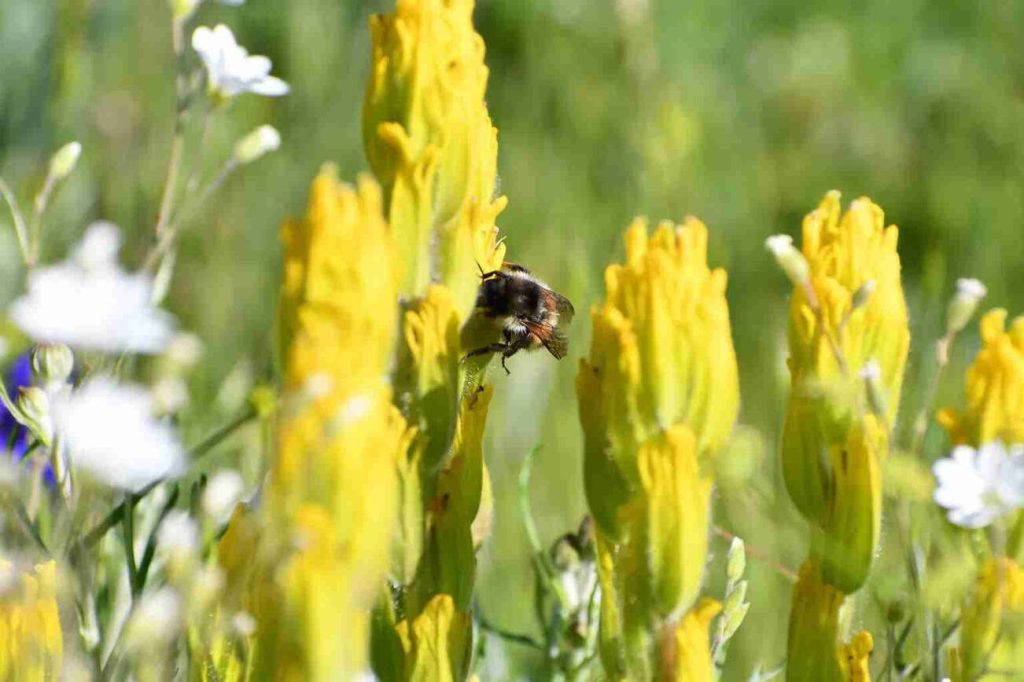
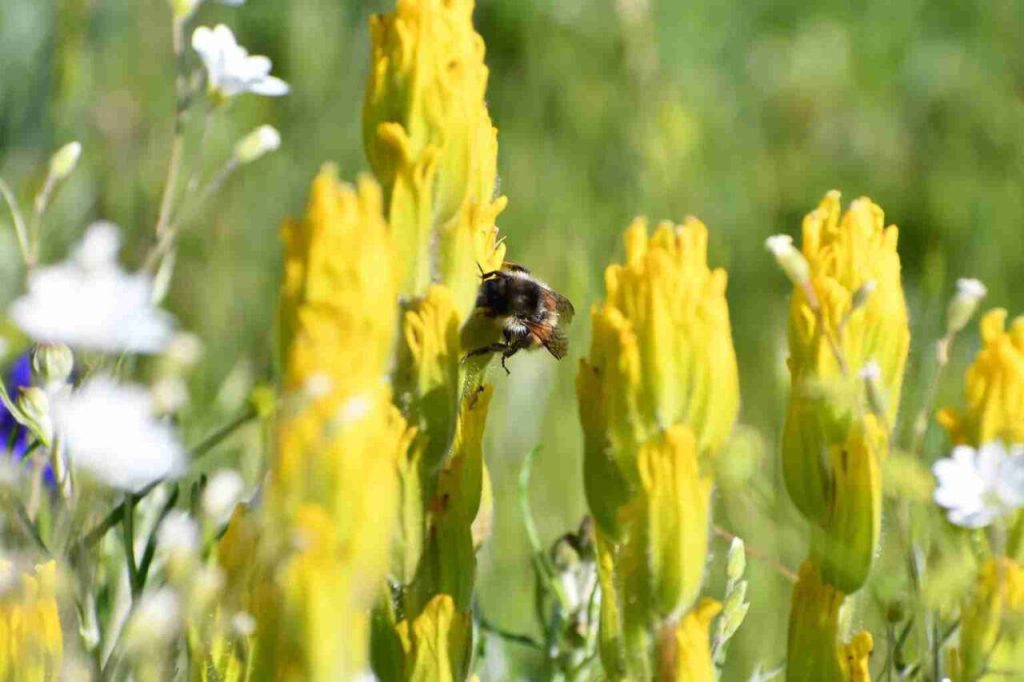


WHIDBEY — As May begins to unfurl, wildflowers across Washington are bursting into bloom.
On Whidbey Island, a small but special prairie owned and stewarded by the nonprofit Pacific Rim Institute is filling with purple camas and golden paintbrush.
This weekend, the Pacific Rim Institute is hosting a variety of guided tours and educational talks, creating opportunities for community members to learn about the natural and cultural importance of prairies. The nonprofit will also co-host a prairie tour on Monday with the Whidbey Environmental Action Network.
“It’ll just be an explosion of color,” said Marnie Jackson, executive director of WEAN. “Visitors will get a really good first-hand introduction to many of the species that make the prairie so unique.”
In 1997, WEAN founder Steve Erickson discovered a small remnant of a prairie on Whidbey Island. The Department of Fish and Wildlife owned the land, but was selling it to make up for a budget shortfall.
Concerned that the last bit of prairie would disappear with the sale, WEAN successfully pushed for the state Legislature to only sell the land to a nonprofit that would conserve the habitat.
In 1999, the Au Sable Institute bought the property, converting it into a campus to teach science field classes for Christian college students. The Pacific Rim Institute began collaborating on ecological work with Au Sable in 2001 and eventually took over the property in 2015.
Since then, the Pacific Rim Institute has collaborated with educational institutions, local churches, tribes and other prairie conservation groups working to preserve the dwindling habitat.
Historically, prairies covered almost a third of North America, their diversity only rivaled by the Amazon rainforest, according to the National Parks Service.
The ecosystems used to be common throughout the northwest, but after European colonization, they’ve become a rarity. In Washington, only 3% of native prairies remain, according to the state’s Department of Fish and Wildlife.
One of the reasons for the dramatic decrease in prairies is the lack of human interaction and management, said Mosa Neis, a land steward at Pacific Rim Institute.
For tens of thousands of years, indigenous people throughout the Pacific Northwest managed prairies with fires. But when European settlers removed and relocated tribes, fire was taken away from the prairies, allowing shrubs and trees to encroach on previously open spaces, Neis said.
One of the prairie species that has suffered is golden paintbrush, which was listed as threatened in 1997. Researchers recorded fewer than 20,000 plants across 10 sites, according to the U.S. Department of Fish and Wildlife.
But over the years, Pacific Rim Institute has cultivated the bright yellow flowering plant, and now, on Whidbey alone, the group counts over 40,000 golden paintbrush plants annually.
Beyond ecological restoration work, the institute also works with local tribes to collaborate on new facilities and offer land access for cultural traditions.
For the past five years, the Pacific Rim Institute has partnered with the Coast Salish Youth Coalition for a camas dig and bake event in the spring.
“It’s really based around the youth and giving them that experience, but the last few years, [it’s been] like 100 plus people,” Neis said, adding that the institute hopes to grow the tribe’s involvement with co-stewarding the land.
While the camas bake is a private event for the tribe, the institute’s campus and plant nursery are open to the public and hosting events through the wildflower season.
On Friday, the nonprofit is having a native plant sale from 10 a.m. to 4 p.m.
Saturday events include a bird walk at 7:30 a.m., a talk about native and invasive plants at noon and a prairie tour led by Neis at 4 p.m.
Additional guided prairie walks will happen between 2-4 p.m. Sunday, and WEAN will co-host a tour 3:30-5:30 p.m. Monday.
More information is available at pacificriminstitute.org/pri-events.
Eliza Aronson: 425-339-3434; eliza.aronson@heraldnet.com; X: @ElizaAronson.
Eliza’s stories are supported by the Herald’s Environmental and Climate Reporting Fund.