Decidedly deciduous: Creating year-round interest in the garden
Published 1:30 am Friday, November 4, 2022
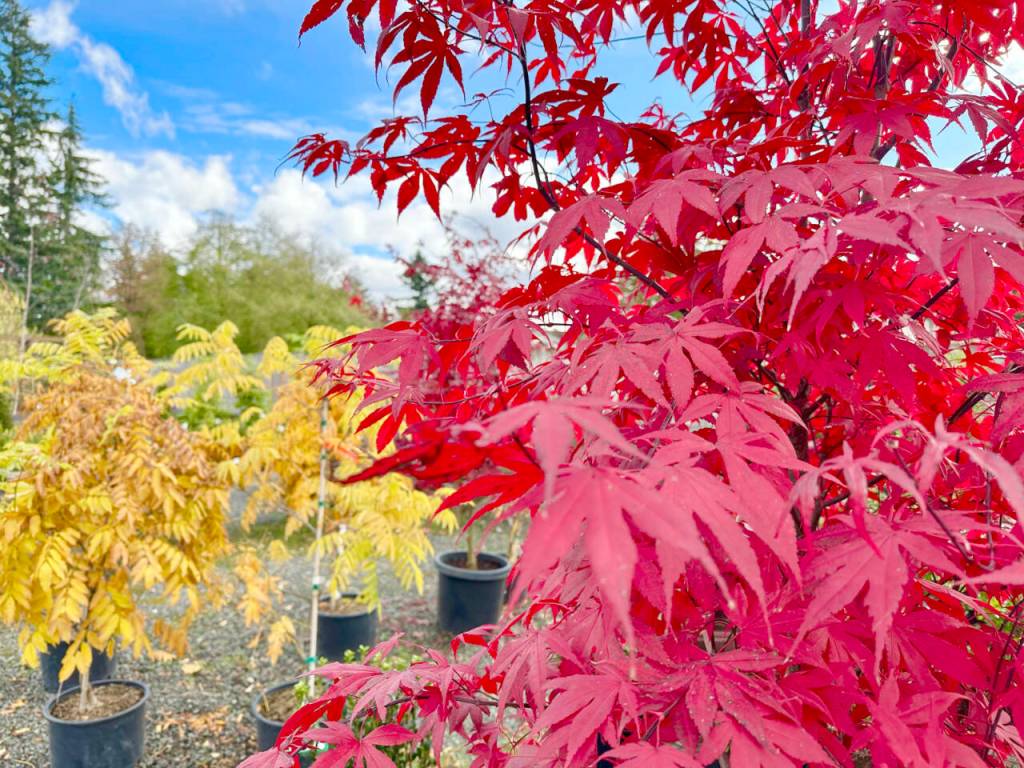
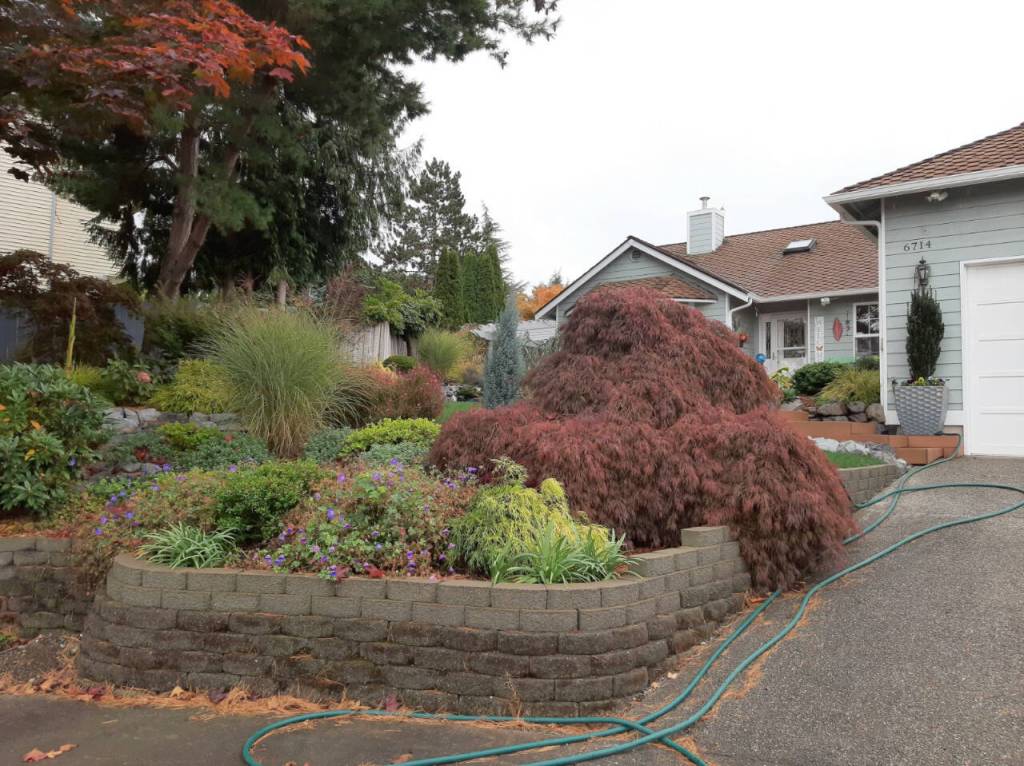
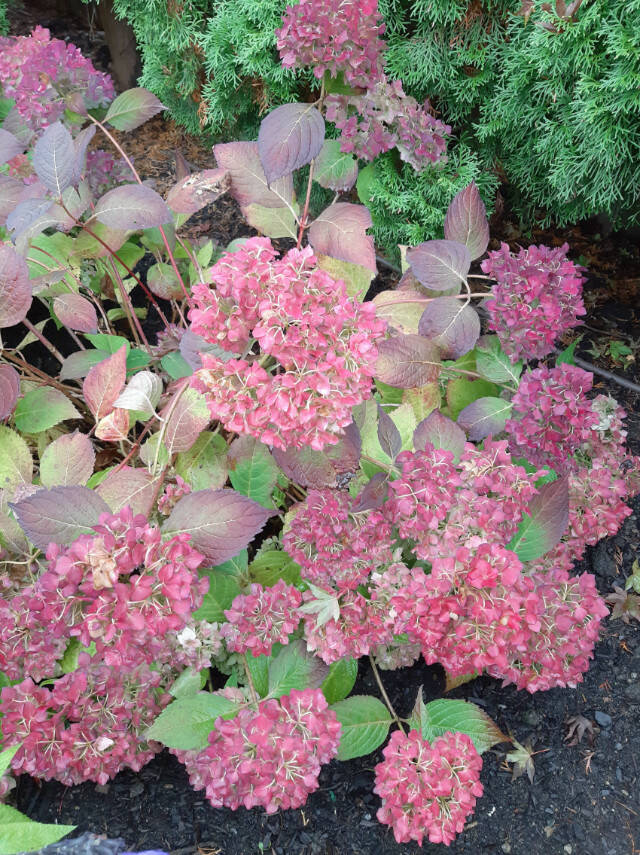
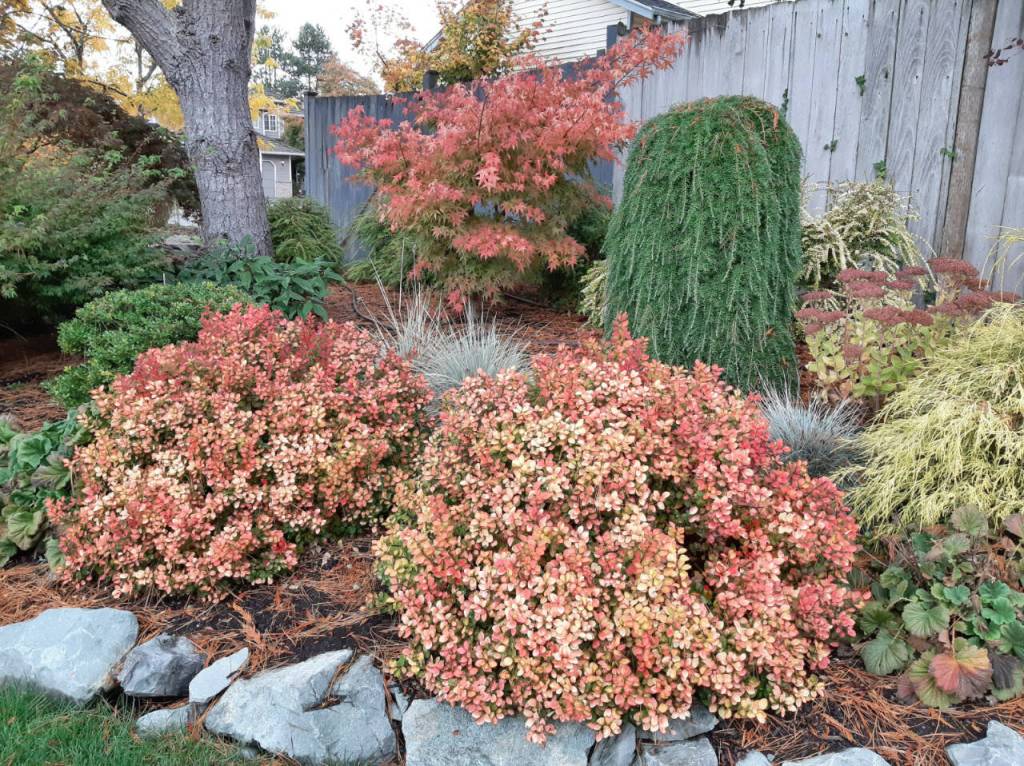
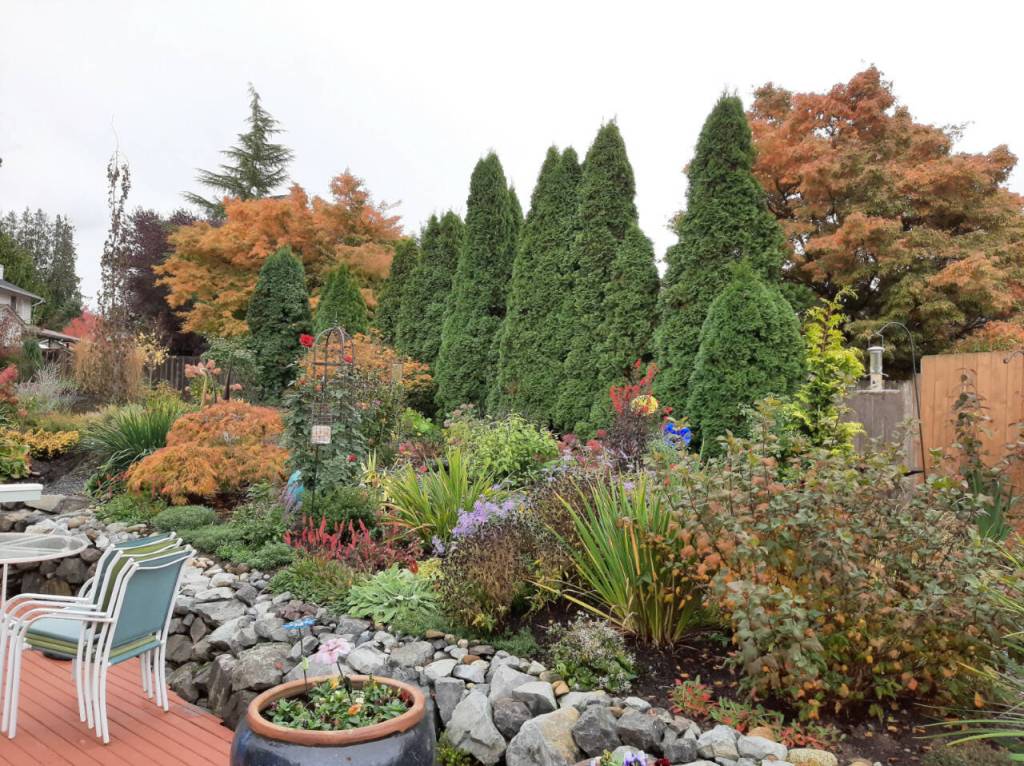

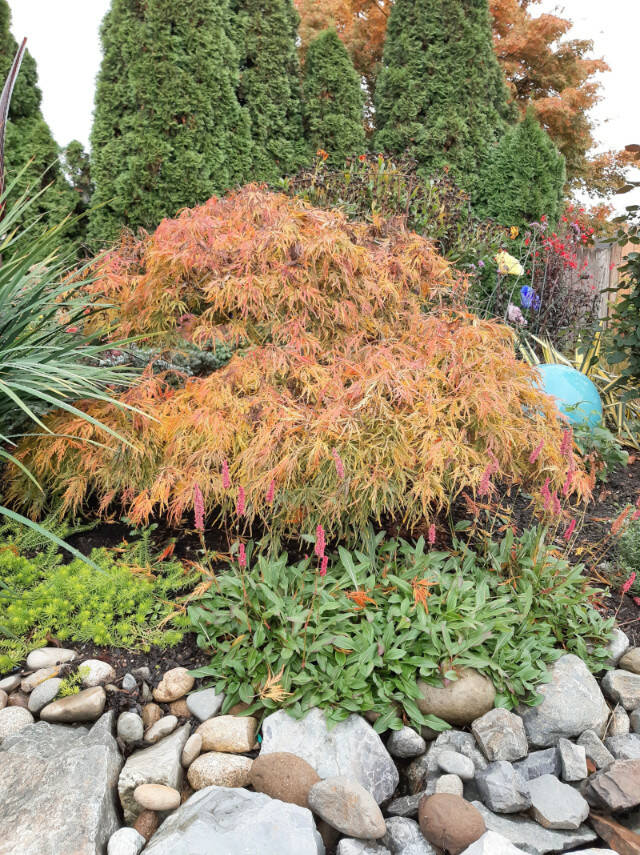


If you don’t like looking at sticks over the winter and are loath having to rake leaves, then you might as well stop reading this and find something else to do. Plants that lose their leaves in the fall are the backbone of an interesting late season garden, and if your entire landscape consists of nothing but conifers and broadleaf evergreens (like rhodies and azaleas), chances are this time of year is going to be pretty ho-hum. Using deciduous plants in our landscapes is an easy way to up our gardening game and move us ever closer to that elusive goal of year-round interest.
While I still have an assortment of different perennials and a few shrubs that continue to bloom, the real color and eventual winter interest is coming from the deciduous plants I have incorporated into my garden. Take, for example, Japanese maples.
When my wife and I purchased our new house, it came with a well-established red laceleaf Japanese maple, probably one called Crimson Queen. “Queeny” measures in at 5 feet tall and 8 to 10 feet across and is the focal point of our front yard. In the back yard we get to enjoy two other small Japanese maple trees (the names of which I haven’t the foggiest clue) that are actually growing on the other side of the fences in two different neighbors’ yards. While green during the summer, they both turn stunning fall colors this time of year — and the neighbors get to rake the leaves! To these established trees, we managed to add seven other assorted flavors, including a low-growing weeping Waterfall laceleaf, a mid-sized Villa Toronto, another red laceleaf variety called Red Dragon to balance out “Queeny” on the other side of the driveway, one called Coral Magic (you can imagine what it looks like) and three that I have since lost the names of.
There are literally hundreds of varieties to choose from, and now is a good time to check them out at the garden center. In addition to a range of fall colors, be sure to read the label as their growing habit can vary from under two feet to over 20 feet tall. Also, if you get a chance, go to the Evergreen Arboretum and Gardens in north Everett, where they are continuing to develop a very nice collection of Japanese maples. You can see what mature specimens look like in the ground, opposed to a young tree in a 5-gallon container at the nursery.
Also in our garden are some deciduous shrubs that are coloring up nicely. Spiraea Magic Carpet and barberry Limoncello are both showing their fall colors, as well as the four blueberry plants in our yard — which, in addition to their yummy fruit in July, have some of the most incredible fall foliage of any fruiting shrub. As for bright golden colors, try ginkgo Jade Butterfly and witch hazel Arnold’s Promise, both relatively small trees.
If you prefer large shrubs, try smoke trees. My two are slowly starting to change colors. Golden Spirit has yellow foliage in the summer, and Royal Purple has dark smoky-purple leaves in summer.
I also have some perennials that show nice fall color before dropping their leaves. One of my favorites is a sweet little groundcover called Dimity Fleece Flower, which has been adorned with dark pinkish/red flower spikes all summer long and now is changing its leaves from dark green to an equally attractive dark red. Peonies also have nice fall color before they drop all of their foliage.
Hydrangeas are unique in that not only do their leaves develop a nice fall color, but the flowers do as well. Instead of fading away like most blossoms, those of both the shade-loving big leaf varieties and the sun-loving panicle types retain their blooms throughout the summer and as the fall arrives they turn dark red. That, in my book, is a total bonus that you will never see in a broadleaf evergreen, like a rhododendron.
It is important to remember that this fall parade of foliar color doesn’t happen all at once. Just like perennials that come in early, mid, and late season bloomers, deciduous plants have their respective season of fall coloration. Some come and go as early as September while others will hang on into late December. Some, like oakleaf hydrangeas, can even manage to turn color and hang on to their leaves all winter long.
If you want to up your gardening game and have a bit more visual interest this time of year, the best way to do it is with deciduous shrubs, trees and perennials. Their leaves will add color and their limbs will add texture, while complimenting any existing conifers or rhodies to give you a more balanced, beautiful landscape.
Steve Smith represents Sunnyside Nursery in Marysville and can be reached at sunnysidenursery@msn.com
Free classes
Sunnyside Nursery’s next free classes are “Evergreen Perennials” at 10 a.m. Nov. 5, and “Winter Pruning: The Good, The Bad and The Ugly” at 11 a.m. Nov. 6, both at the nursery, 3915 Sunnyside Blvd., Marysville. For more information, go to www.sunnysidenursery.net/classes.