
Snohomish County adopts its first Community Wildfire Protection Plan
Published 1:30 am Sunday, November 16, 2025


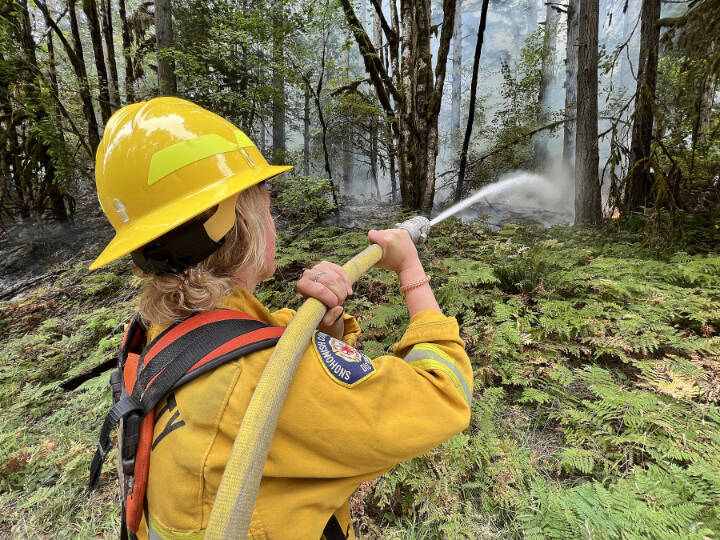





EVERETT — The Snohomish County Council adopted the county’s first Community Wildfire Protection Plan on Wednesday, a document that analyzes wildfire risks throughout the county and provides resources for people to engage with wildfire resiliency work.
Washington’s Department of Natural Resources has assisted counties across the state in creating localized wildfire protection plans in an effort to increase community resiliency to burns. With Wednesday’s adoption, Snohomish County joins a list of over 25 counties across Washington that have created their own protection resource.
An estimated 15% of Snohomish County lives in forested areas in the wildland-urban interface, and past fires like Bolt Creek, which burned over 14,000 acres across Snohomish and King counties, have pushed agencies to develop efficient emergency protocols for the future.
“Although we are entering flood season and wildfire risk is currently low for the county, it is important to prepare before the hazard is here,” said Snohomish County Emergency Management Director Lucia Schmit in a Wednesday email. “This plan will set us up well for next fire season as well as more localized future planning, including evacuation challenges and fuel reduction efforts.”
The document, accessible on the county’s website, provides readers with an in-depth profile of the county, explaining how geography, development and climate change all interact and influence wildfire risk.
The protection plan also provides residents with home-hardening resources, creating the opportunity for community members to take tangible action to lower property ignition risks through planning and management.
Eliza Aronson: 425-339-3434; eliza.aronson@heraldnet.com; X: @ElizaAronson.
Eliza’s stories are supported by the Herald’s Environmental and Climate Reporting Fund.
