Crashes, speeding down near Everett traffic cameras
Published 2:15 pm Friday, February 6, 2026
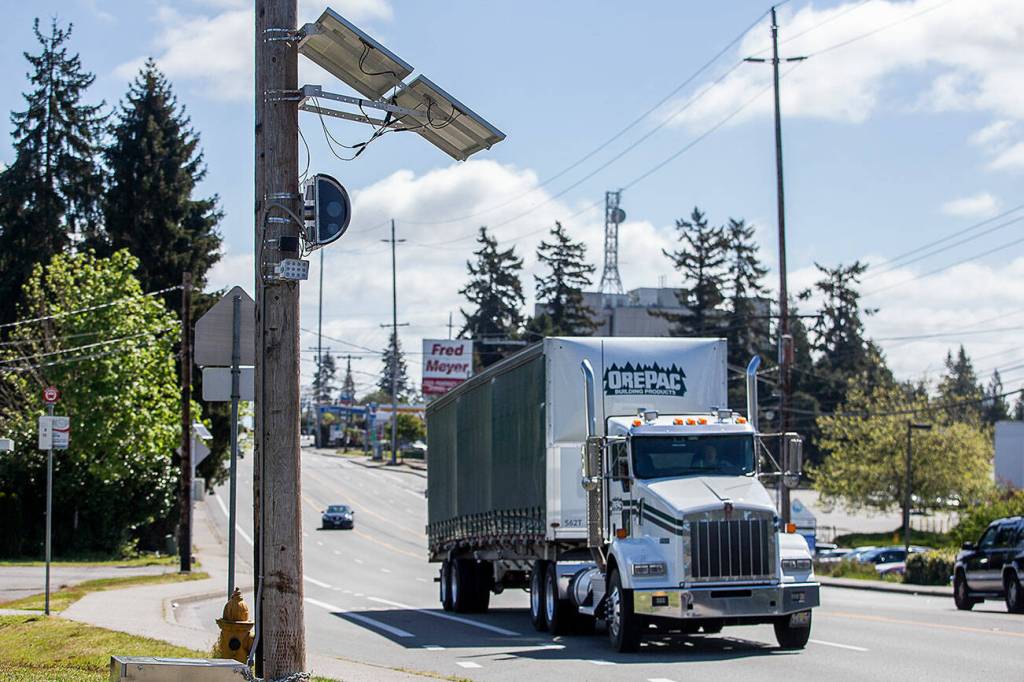
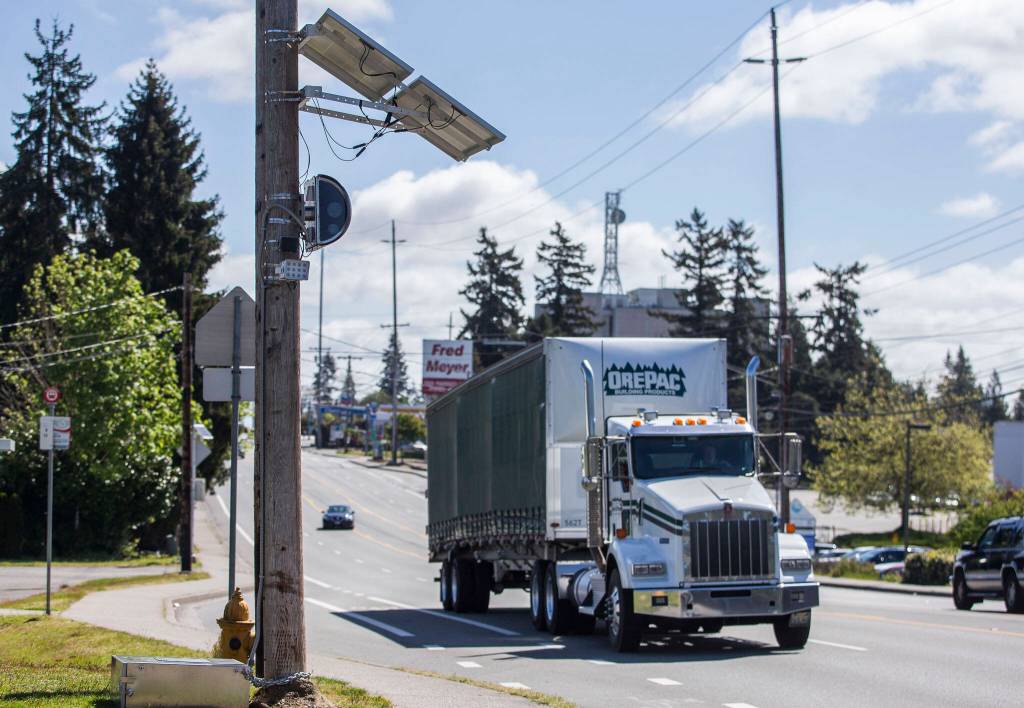
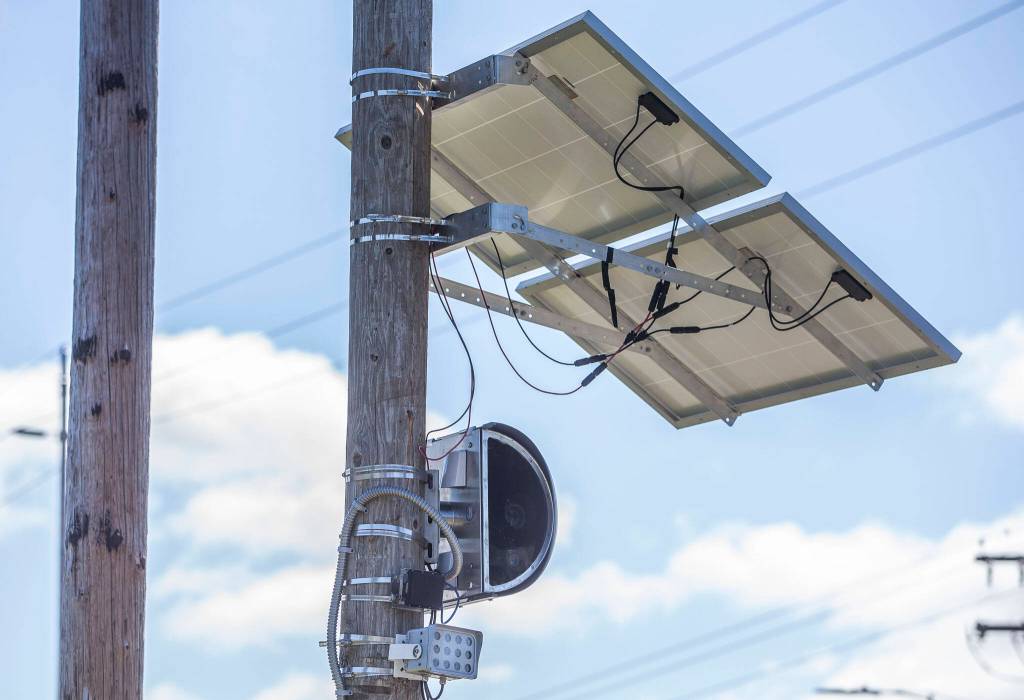
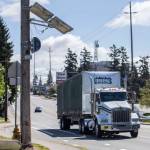
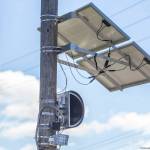
EVERETT — Crashes and cases of excessive speeding near Everett’s traffic enforcement cameras have decreased since the cameras were implemented two years ago, city staff shared at a committee meeting Wednesday.
Everett first set up the legal framework for the use of automatic traffic safety cameras in 2008, but the city’s first cameras weren’t implemented until 2024. The fine for infractions is $124 and doesn’t affect a driver’s record or insurance. Per city code, revenue from the fines can be used only for maintaining the cameras or funding other traffic safety projects.
Currently, the city has seven traffic cameras in operation. Six are red light cameras, operating at intersections across the city. Four of those are located in south Everett.
At each of the red light camera locations, crashes have fallen since their implementation in 2024, city data shared Wednesday showed. Five intersections — 16th Street and Broadway, 41st Street and Rucker Avenue, Casino Road and Evergreen Way, 112th Street and Evergreen Way, and 7th Avenue SE and Everett Mall Way — saw significant decreases in crash figures. The intersection of 4th Avenue W and Evergreen Way saw a smaller decrease, from 14 crashes in 2024 to 10 in the first nine months of 2025. That number is projected to grow to 13 crashes as more data comes in.
Crashes along the speed zone near Horizon Elementary School initially dropped between 2023 and 2024 before rising to 15 crashes in the first nine months of 2025, projected to increase to 19 crashes, pending more data.
Everett Traffic Engineer Corey Hert could only make an educated guess as to the reason for the uptick in crashes between 2024 and 2025 — possibly due to an abundance of caution from drivers when the cameras first turned on — but said a larger sample size including data from 2026 would give a clearer view as to the effectiveness of the speed cameras on that stretch of Casino Road.
“If we continue to see a reduction, I think that’s a positive sign,” Hert said.
Although crashes ticked up slightly in 2025, the speed of traffic near Horizon Elementary School while the beacons are flashing has decreased significantly since the cameras were first activated, according to data the city obtained from the traffic camera operator, Novoa Global.
In April 2024, the month before the cameras were activated, 64.8% of cars traveling through the 20 mile-per-hour school zone were driving at 30 miles per hour or higher, data showed. The month the cameras turned on, in May 2024, that number plummeted to 45.5%. By December 2025, only 39.5% of traffic in the school zone drove over 30 miles per hour, data showed.
The traffic cameras now bring in about $1 million more per year than they need to operate. That extra funding can’t be used for general government spending, as it’s limited by city code to be spent on traffic safety programs only. Hert said planned reinvestment of the money could go toward new police enforcement efforts such as increased patrols to crack down on DUIs, distracted driving and street races.
Other programs that could get funding include new public information campaigns to improve awareness of traffic safety initiatives, capital investments to improve electrical supply to the traffic cameras, and new flashing beacons for specific school zones. Two areas near schools — Hawthorne Elementary and Challenger Elementary — will likely see new flashing beacons within the next year thanks to the traffic camera revenues, Hert said.
In an email Wednesday, city public works spokesperson Kathleen Baxter wrote that Everett has no current plans to add any additional traffic safety cameras to the network.
Correction: A previous version of this story incorrectly stated the traffic cameras bring in about $1 million more per month. It should read traffic cameras bring in more than $1 million per year.
Will Geschke: 425-339-3443; william.geschke@heraldnet.com; X: @willgeschke.