Darrington group pushes back on North Cascades grizzly plan
Published 9:00 pm Monday, February 13, 2017
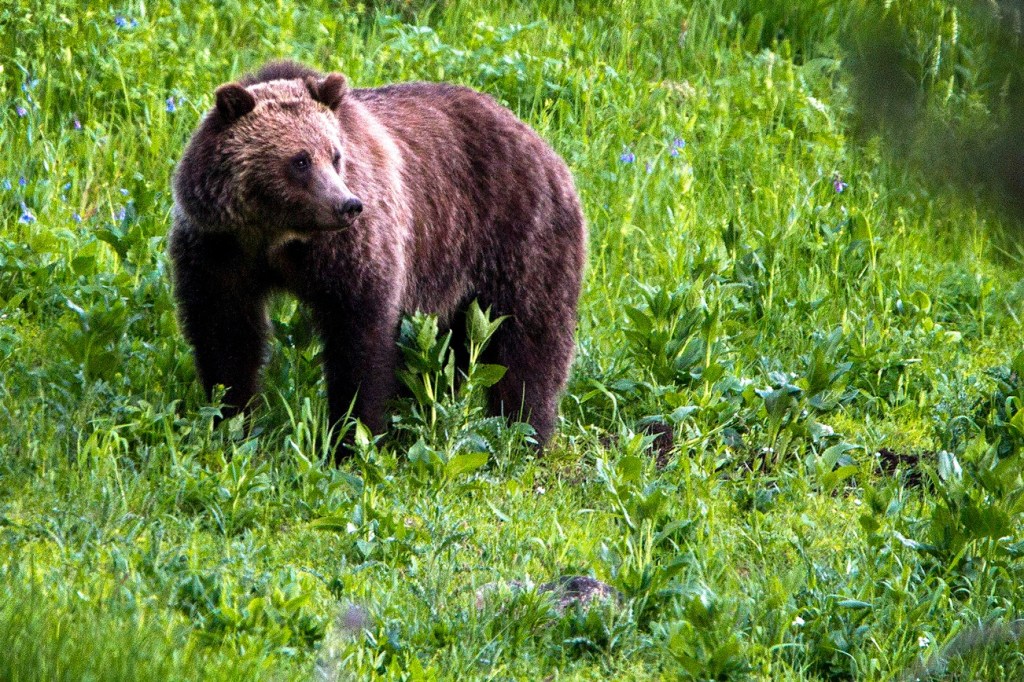
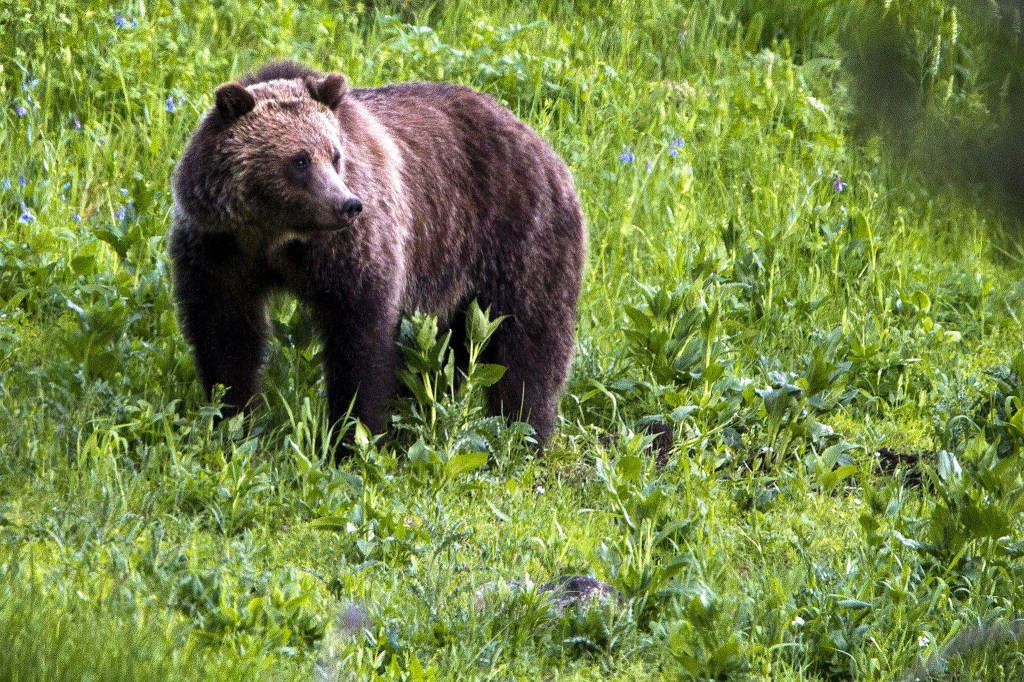
DARRINGTON — Kevin Ashe and Walt Dortch know the importance of grizzly bears.
The large, roaming predators’ hunting and foraging habits once helped shape the North Cascades ecosystem.
But they worry about what bringing more of those bears into the ecosystem could mean for the outdoor industries their rural community is trying to revive.
Three of four options proposed for grizzly bear recovery in the North Cascades call for bringing in bears from elsewhere in order to boost the local population to 200.
Under two of the proposals, it would take the better part of a century to reach that mark. One would have it done in about 25 years. The fourth option would not bring new bears and instead would focus on improving conditions for any still around.
The Darrington Area Resource Advocates, to which Ashe and Dortch belong, support the proposal that would improve habitat but would not introduce new grizzlies.
That likely won’t be enough to prevent local extinction of the species, according to the National Park and U.S. Fish and Wildlife services.
There have been four confirmed reports of grizzlies in the North Cascades over the past decade, and it may have been the same two bears. There is not enough evidence to say there is a population. That would require at least two adult females with cubs or one with multiple litters.
For decades, grizzly bear restoration has been planned in parts of North America. That includes the North Cascades ecosystem, which spans 9,800 square miles in Washington and 3,800 in British Columbia. The U.S. side is mostly public land and covers much of the Mount Baker-Snoqualmie National Forest.
The National Park and U.S. Fish and Wildlife services released a draft of the North Cascades Ecosystem Grizzly Bear Restoration Plan and Environmental Impact Statement on Jan. 12. Written comments are accepted until March 14. Eight public meetings are planned, including one at 6 p.m. Feb. 22 at the Darrington Community Center and another at 6 p.m. Feb. 23 at Sultan High School.
Grizzly bears once roamed much of North America and were an important part of the ecosystem until they were hunted nearly to extinction in the 1800s, said Denise Shultz, chief of interpretation and education for the North Cascades National Park Service Complex. The grizzly was listed as a threatened species in 1975 and Washington listed it as endangered in 1980. By then, researchers estimated grizzlies had disappeared from 98 percent of their former territory. A national recovery plan was adopted in 1982 and a North Cascades chapter added in 1997.
One of the alternatives, or some combination, from the recently released draft plan is expected to become the road map for long-term grizzly recovery in the area, Shultz said.
One option focuses on current efforts to reduce human waste or garbage in the backcountry, crack down on poaching, limit motorized access to remote areas, and research and teach people about grizzlies. However, no bears would be brought in from out of state.
The other three proposals involve relocating bears from other areas.
The first suggests bringing up to 10 grizzlies from Montana or British Columbia and releasing them in a remote location over the course of two summers. They would be monitored for two years before officials decide whether to bring in more bears.
The second option would release five to seven bears at multiple sites each year for up to 10 years, or until the population reaches 25 grizzlies.
Experts say those plans could help the population reach 200 bears in 60 to 100 years.
The final possibility calls for releasing five to seven bears each year, at different locations, until the goal of 200 is reached through releases and births. It would take an estimated 25 years and may require relocating up to 168 bears during that time.
The relocation options would cost between $6 million and $8.5 million over 20 to 25 years.
Capturing and releasing them could result in the deaths of some bears. The relocation of grizzlies also would affect other wildlife because of helicopter traffic during the relocation and predation or competition for resources.
People are divided on whether grizzlies should be reintroduced. Proponents see an opportunity to save an important species from local extinction. Opponents note that bears could be a threat to people, livestock and other animals.
Darrington bumps up against the area where grizzlies would be reintroduced, and the resource advocates say it could bring restrictions that would hamper efforts to enhance the economy.
“I wouldn’t want to meet one on a trail, but I’m not afraid of the bears,” Ashe said. “I’m afraid of the baggage that comes with the reintroduction of an endangered species.”
Officials are trying to resurrect a logging industry that floundered due to tightened timber regulations. If a grizzly wanders into a logging area, he fears it would delay or cancel that harvest.
Bears would be released in areas where logging typically isn’t done, Shultz said. There’s a chance that adding grizzlies would help the outdoor recreation industry as people come to see the bears, she said. For those who already spend time in the backcountry, precautions for grizzlies are similar to those for black bears.
Dortch isn’t convinced the draft plan makes a compelling case for bringing in bears. Most of the North Cascades grizzly population historically appears to have been to the north and east of areas where officials are looking to reintroduce them in Washington, he said. He thinks federal agencies should direct resources toward viable populations elsewhere in the country rather than bringing grizzlies to the U.S. side of the North Cascades.
“When I look at the purpose and need in the (plan), it reads like a nice thing to do, but not an essential thing to do,” he said.
Ashe and Dortch worry about the impact the bears could have on other wildlife, particularly salmon. Ashe also is concerned that bears could roam close to humans. There are schools in Montana where fences have been put up to protect students from wandering grizzlies.
“We’ve lived with black bears for years, but grizzlies are a whole different story,” Ashe said. “Grizzlies are the top of the food chain.”
The state Department of Fish and Wildlife also could not help relocate bears. Washington law prohibits state agencies from bringing in out-of-state bears, though federal agencies can do so on federal land.
To read and comment on the draft environmental impact statement and plan, go to parkplanning.nps.gov/grizzlydeis.
Kari Bray: 425-339-3439; kbray@heraldnet.com.
Grizzlies vs. black bears (adult males)
A grizzly can weigh more than 700 pounds, compared to more than 300 for a black bear.
A grizzly’s home range is up to four times larger than a black bear’s.
Grizzlies have long claws and strong shoulders for digging while black bears have short, curved claws for climbing.
Grizzlies generally are more aggressive and rely on size and power to defend themselves while black bears climb to escape.
Both types of bear are omnivores, meaning they eat plants and meat, and can be aggressive if they or their cubs are threatened. The bears live 15 to 20 years in the wild and females are smaller and roam less than males.
Source: National Park Service, based on research of bears in Yellowstone