Little Pilchuck salmon project gets boost from $4.6M state grant
Published 8:30 pm Thursday, July 17, 2025


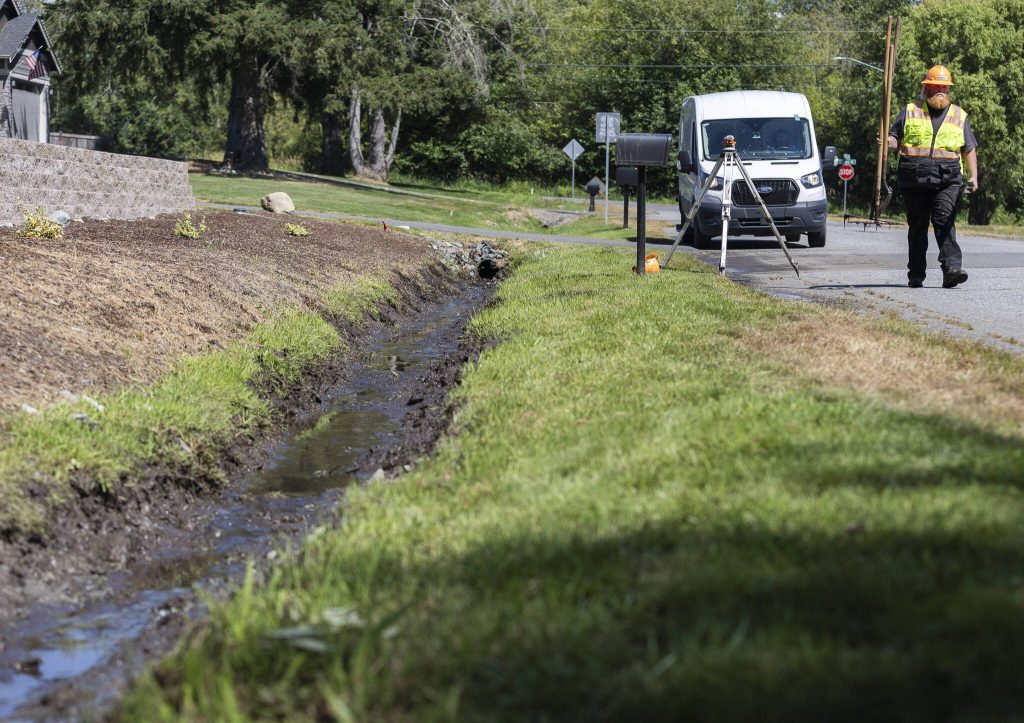
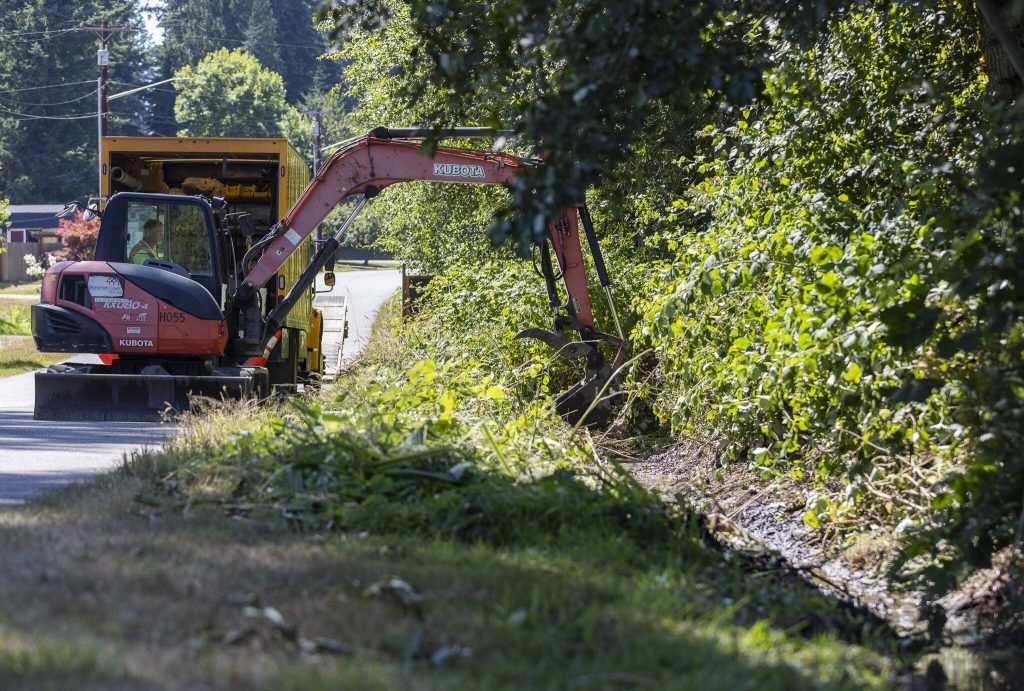


LAKE STEVENS — Washington’s Recreation and Conservation Office announced Tuesday that Snohomish County received $4.6 million from the Brian Abbott Fish Barrier Removal Board for restoration work near Little Pilchuck Creek.
The county’s Surface Water Management team will utilize the grant dollars, along with $800,000 from the county department, to replace four culverts and remove a fifth along an unnamed tributary to Little Pilchuck Creek, north of Lake Stevens.
When project manager Tracy Gilson moved to the area 20 years ago, he said he’d look at a small stream like the one involved in this project and not believe it would support salmon. But the creek stays cold and clean during the summer because the system gets lots of groundwater, making it great habitat for juvenile and adult salmon, he said.
“We’re out there recently, and there’s a lot of adult coho swimming up as we’re doing work adjacent to it,” he said. “It’s really highly productive.”
Washington Department of Fish and Wildlife survey mapping shows chum, Chinook, coho and pink salmon, as well as steelhead, live in the stream channel.
In addition to replacing and removing culverts, the county will redirect the creek, which currently runs through a roadside ditch, to its historical channel, reestablishing access to 700 feet of habitat for juvenile and adult salmon.
To help provide the best possible fish habitat, the county will add large, woody material to create scour holes, which provide slower pools of water for fish to rest and hide in. The woody material will also attract insects for fish to feed on, Gilson said.
The county plans to construct a beaver dam analog to prevent the stream from going back to the roadside ditch route.
“The goal is to make these fish passage projects as natural-looking and -feeling as possible,” said Daniel Howe, the fish passage program lead for Surface Water Management. “That way, the fish don’t realize that they’re going through a culvert.”
After restoration work is completed, the state’s Department of Fish and Wildlife predicts the project will open 3,812 linear feet of potential salmon habitat, including 2,066 square feet of area suitable for spawning. Snohomish Conservation District is currently designing and restoring a fish barrier farther down the stream system, helping to connect salmon habitat throughout the area.
The county will begin construction in July 2027, and 123rd Street Northeast will close between 60th Street Northeast and 66th Street NE. Since 66th Street is the only access to the neighborhood to the west, the county will construct a single lane for traffic.
To fit the new culverts, which are much larger than the current ones, to reduce flow velocity for fish, the county will raise the existing road and create a better shoulder.
The Little Pilchuck Creek project is just one of many fish passage projects Snohomish County will be working on in the coming years. Right now, the county has 22 active projects, with 34 planned to be completed before 2030.
“We’re constantly adding to that list, and that does not count all of the projects that our floodplain services group are also working on,” Howe said.
Snohomish County routinely works with the Tulalip Tribes and Snohomish Conservation District, as well as state agencies, to identify and prioritize fish passage projects. More information about the county’s culvert program and active projects can be found at https://snohomishcountywa.gov/3987/Fish-Passage-Culvert-Program.
Eliza Aronson: 425-339-3434; eliza.aronson@heraldnet.com; X: @ElizaAronson.
Eliza’s stories are supported by the Herald’s Environmental and Climate Reporting Fund.