Edmonds adopts Critical Areas Ordinance with new aquifer area restrictions
Published 1:30 am Thursday, January 8, 2026
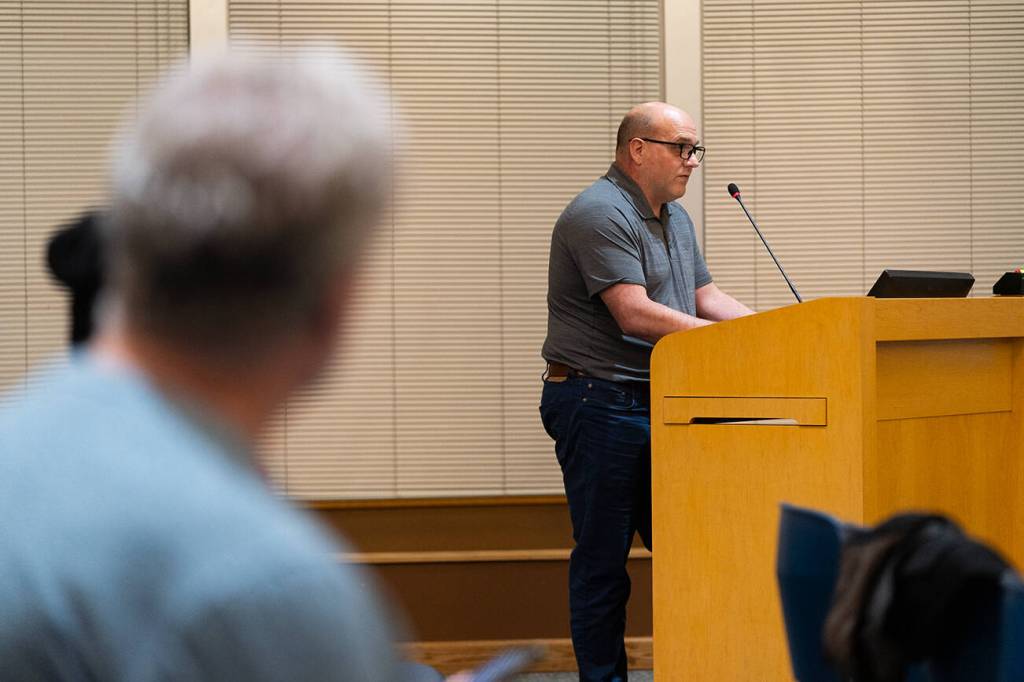
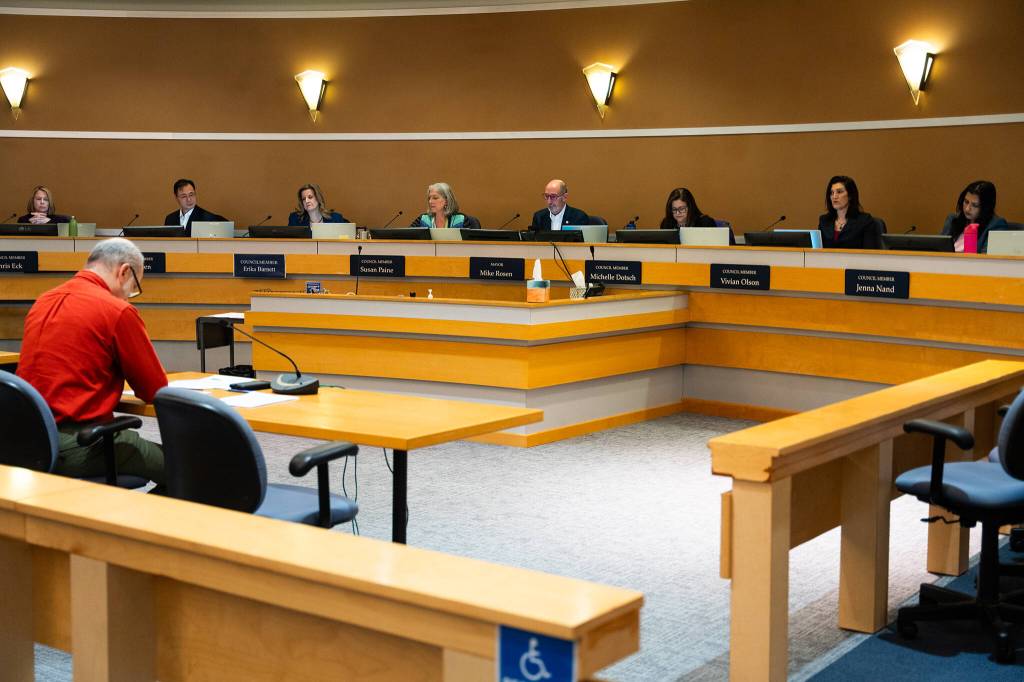

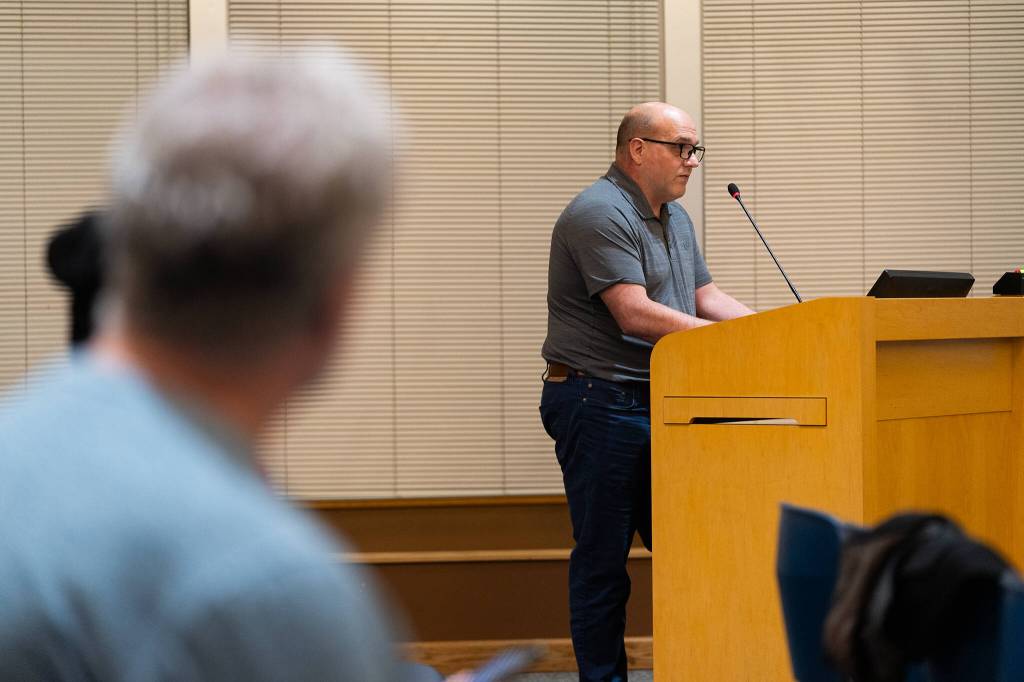
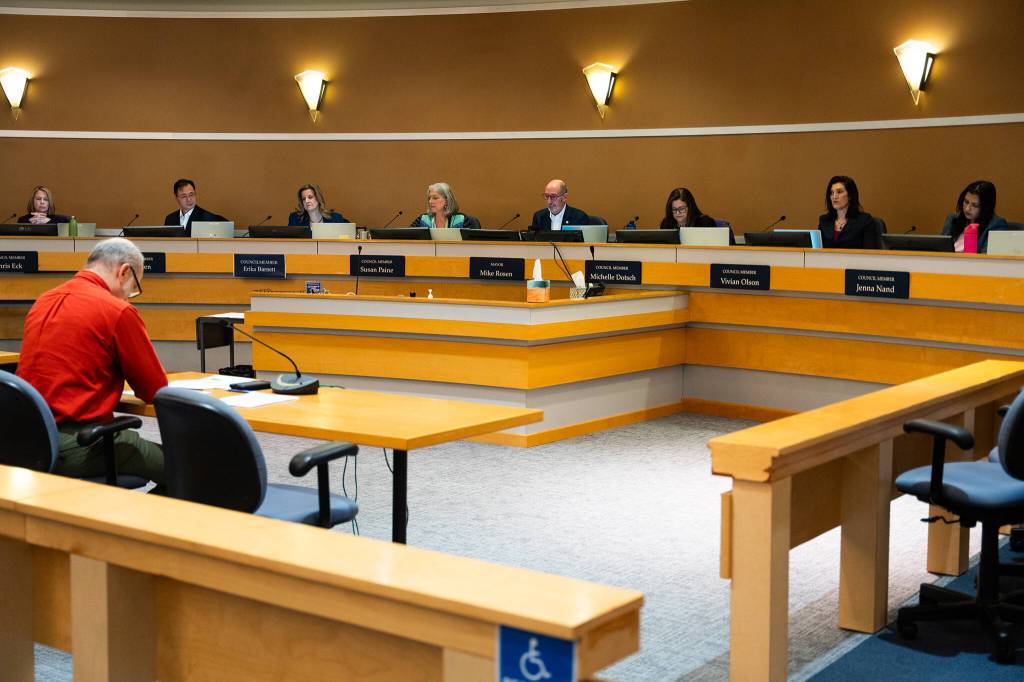
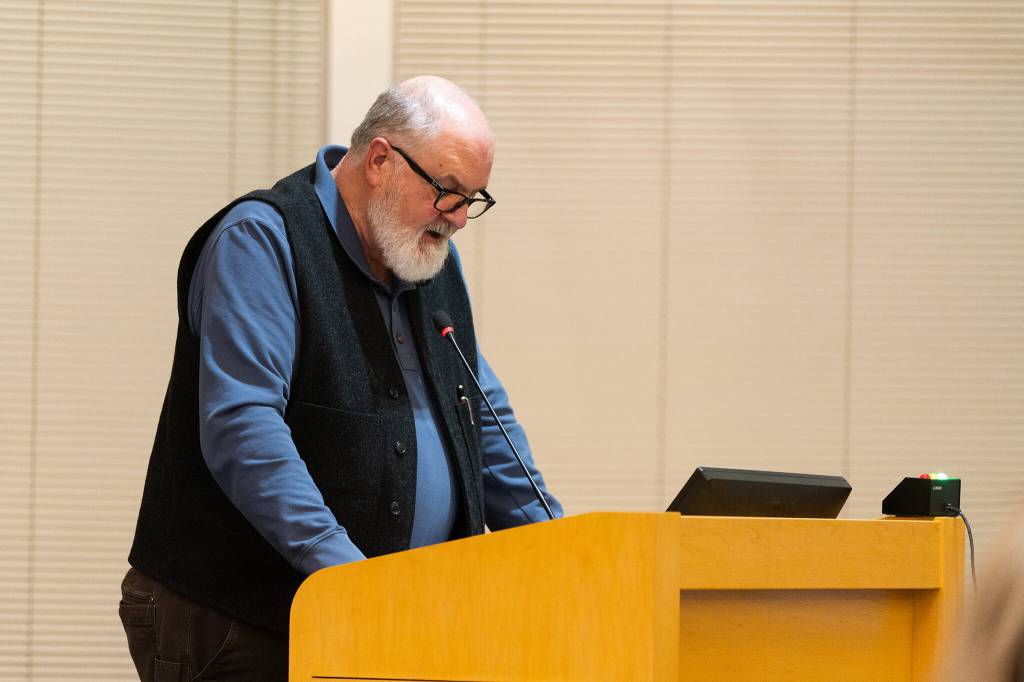


EDMONDS — The Edmonds City Council adopted its new Critical Areas Ordinance on Tuesday night, voting 4-3 to approve a version of the new policy that the local water and sewer district, as well as environmentalists, say better protects the town’s drinking water.
The updated policy restricts the construction of stormwater wells surrounding the Deer Creek aquifer, which supplies the city with its drinking water. It is a decision some city staff said will deter development and risk litigation.
Council members Vivian Olson, Will Chen, Erika Barnett and Michelle Dotsch voted yes on the ordinance, while council members Susan Paine, Jenna Nand and Chris Eck voted no.
Proponents of the new restrictions, including the Olympic View Water & Sewer District and the local nonprofit Edmonds Environmental Council, have stated that the restrictions are crucial to preventing toxic Per- and polyfluoroalkyl substances, or PFAS, from contaminating the critical resource.
PFAS are found in hundreds of products, including carpets, paints and household cooking utensils. In recent years, numerous studies have begun to show that the chemicals cause serious health effects, including certain cancers, reproductive and developmental issues and liver damage.
As part of the updated restrictions, the city will move forward with its own study of PFAS and their possible effects on the Deer Creek aquifer area, revisiting the section of the new ordinance upon completion of the research.
Going into Tuesday’s meeting, Edmonds Senior Planner Brad Shipley drafted a staff report recommending the city council adopt the new Critical Areas Ordinance but hold back on the chapter covering Critical Aquifer Recharge Areas, such as the Deer Creek aquifer area, until mid-2026 to give the city time to complete its own PFAS study.
In his staff report, Shipley pointed to a study conducted by MDPI, provided by Olympic View General Manager Bob Danson, which stated that PFAS are “consistently present in urban stormwater” and come from a variety of “unavoidable” sources such as roofing materials and vehicles.
“The City has no reason to suspect that new construction would contaminate the aquifer above baseline conditions,” Shipley wrote in the report. “So, the City cannot identify a rational basis to treat stormwater from that source differently from the other stormwater in the basin.”
City Attorney Jeffrey Taraday also warned that updating the Critical Areas Ordinance with the new aquifer area restrictions would contradict the city’s stormwater regulations, making it difficult or impossible for developments to comply with both sets of laws.
“It’s clear what you’re prohibiting,” he said during Tuesday’s meeting. “It’s not clear what you’re going to be asking developers to do as an alternative to what you’re prohibiting.”
Dotsch, who supported adopting the new aquifer area restrictions, said that development concerns didn’t weigh into her decision on the matter.
“We have plenty of other areas to develop. Just like creeks and other areas, the marsh, we don’t allow development because of critical areas,” she said. “This is a critical area issue.”
Eliza Aronson: 425-339-3434; eliza.aronson@heraldnet.com; X: @ElizaAronson.
Eliza’s stories are supported by the Herald’s Environmental and Climate Reporting Fund.