Rick Steves’ Europe: Istanbul’s old soul lives on in the Grand Bazaar
Published 1:30 am Monday, October 23, 2023
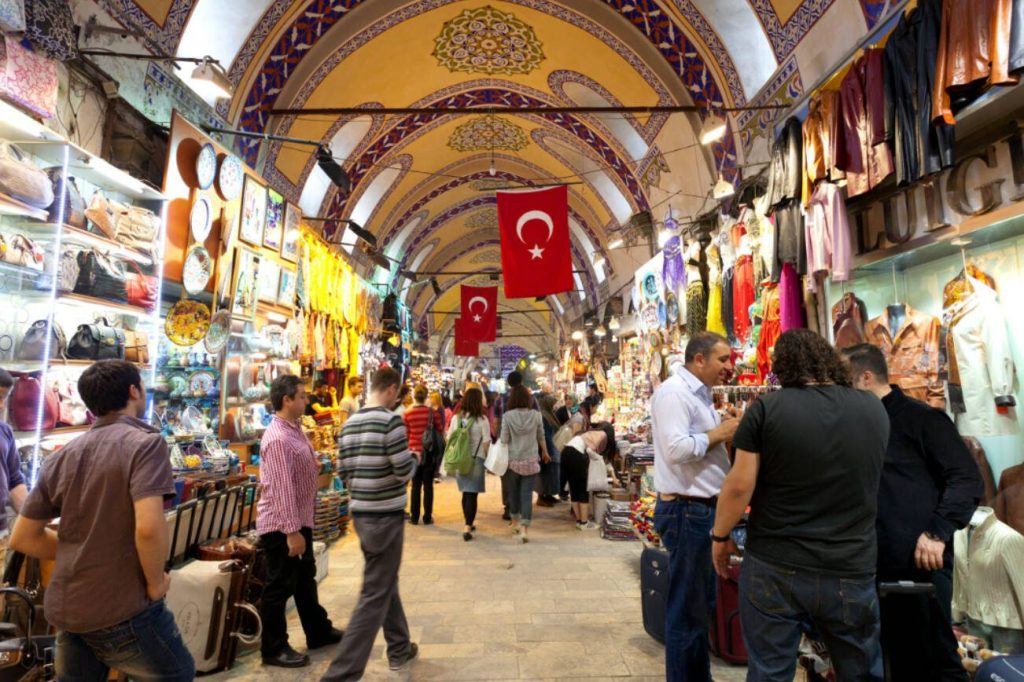
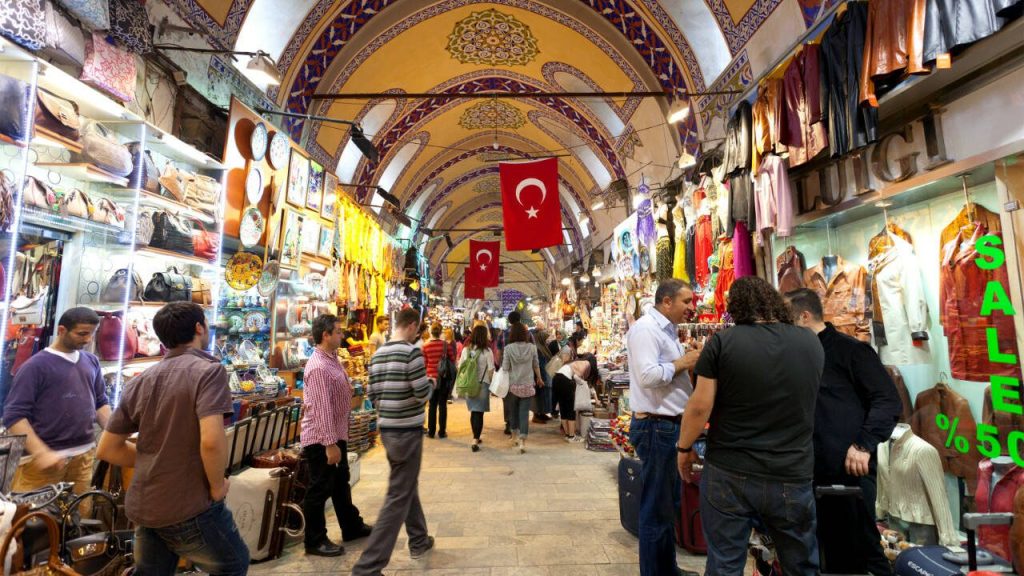


Dodging four men pushing a cart full of honeydew melons, I step out of the noisy traffic of Istanbul, pass through the horseshoe-arched door and trade one commotion for another. Suddenly the air — heated by thousands of electric bulbs — is several degrees warmer. Like carnivorous flowers, merchants seduce from glittering shops. They say, “Welcome to the Grand Bazaar.”
This labyrinthine warren of shops is called Kapalı Çarşı (kah-pah-luh chahr-shuh) — literally “covered market.” While much of the bazaar is overrun with international visitors, it still has virtually tourist-free nooks and crannies that offer an insightful glimpse into the “real” Istanbul.
In its heyday, this was the “world trade center” for the entire Ottoman Empire — locked down and guarded by more than a hundred soldiers every night. The Grand Bazaar remained Turkey’s commercial hub through the 1950s, its 4,000 shops bursting with both practical and exotic wares.
But then the Grand Bazaar was discovered by travelers seeking the ultimate “Oriental market” experience. Prodded by shopaholic tourists with fat wallets, prices and rents skyrocketed, and soon small shopkeepers and manufacturers were shoved to the fringes of the market, crowded out by souvenir and carpet shops.
The main drag is “Hatmakers’ Street” (Kalpakçılar Caddesi). Historically each street, alley or corner of the bazaar was dedicated to a particular craft or item. They still bear those names — even if hat racks are replaced by jewelry showcases.
The many jewelry shops are a reminder that Turks love gold, not because they’re vain or greedy, but because they’re practical. Since their local currency has a tendency to devalue, people prefer to invest in something more tangible. Traditionally, Turks celebrating special occasions — such as a wedding or a circumcision — receive gold as a gift. In fact, in the most traditional corners of Turkey, the groom’s family still must present the bride’s family with gold bracelets before the couple can marry.
Because all this gold is used primarily as an investment tool, and only secondarily as an accessory, it’s most commonly sold in the form of simple 22-carat bracelets (24-carat is too soft to wear). If you see a woman whose arm is lined with these bracelets, she’s not making a fashion statement — she’s wearing her family’s savings on her sleeve … literally.
The Grand Bazaar is made up of a series of bedestens — commercial complexes of related shops. Sandal Bedesteni, one of the oldest, dates from the late 15th century. Over time, the bazaar grew organically — with new bedestens sporadically sprouting up, each one devoted to a particular trade or item. For the convenience of both the shopkeeper and the customer, shops dealing with similar items clustered together.
Surprises await in the low-rent fringes of the market. Hearing a commotion of shouting, I venture into a cluster of alleys packed with boisterous men hollering into cell phones and waving their arms. This is a poor man’s Wall Street, with currency brokers frantically swapping fortunes of euros, dollars and Turkish lira.
Walking farther, I enter the “Master of All Eunuchs Alley” (Kızlarağası Han), which leads to a humble courtyard where sooty smiths labor before furnaces, melting gold shavings and silver fragments from other workshops into a more usable form.
Ayhan, one of the goldsmiths here, welcomes me into his charred little world, proud to let me watch him work. His fire makes his shop almost unbearably hot, and then he tosses in some white powder, making it even hotter. Within moments, a tiny shovel of gold fragments is melted, poured and cooled, then a tidy little brick of gold is placed with a smile into my hand. Giving it back, I compliment Ayhan with one of my only Turkish phrases: Çok güzel (Very beautiful).
Ayhan belongs to a dying breed. Today most goldwork is done in large factories outside the city. But locals believe the Grand Bazaar needs both shops and workshops to be successful. If a product isn’t perfect, the shopkeeper can send it to his workshop for an adjustment. And if workshops like Ayhan’s are forced out by high rents and replaced with more “Made in Taiwan” gift shops, the Grand Bazaar will eventually become a shopping mall only for tourists.
Ayhan steps out of the heat and joins me for tea at a teahouse table across the Master of All Eunuchs Alley. The dainty hourglass-shaped tea glass accentuates the roughness of his goldsmith’s hand. The backgammon board — inlaid, with its softer wood worn below its harder wood — smells like tea and tobacco. The dots on the dice don’t quite line up. Tossing them, I’m thankful the soul of old Istanbul survives. You can find it in the back streets of the Grand Bazaar.
Edmonds resident Rick Steves (www.ricksteves.com) writes European guidebooks, hosts travel shows on public TV and radio, and organizes European tours. This column revisits some of Rick’s favorite places over the past two decades. You can email Rick at rick@ricksteves.com and follow his blog on Facebook.