
By Karissa Miller / WM
Between changing seasons, growing children and new fashion trends, it can feel like we’re in a constant cycle of buying new clothes. While this certainly has an impact on our wallets, it also has an impact on the planet.
Although it’s not obvious to the naked eye, an abundance of natural resources go into making clothing and other textiles. On average, it takes 700 gallons of water to manufacture a single shirt. That’s enough to fill 12 rain barrels.
The environmental impact of the textile industry is now a focus for governments, companies and individuals alike. With so many interests working toward a common goal, there are greener days ahead for fashion.
The Washington Legislature may even take up the issue in the future. House Bill 2068 (proposed but not acted on in the 2024 session) would have required large clothing companies in the state to publicly disclose environmental impacts of their products. Such requirements would bring visibility to hidden environmental costs, allowing consumers to make informed purchases and opt for greener fashion.
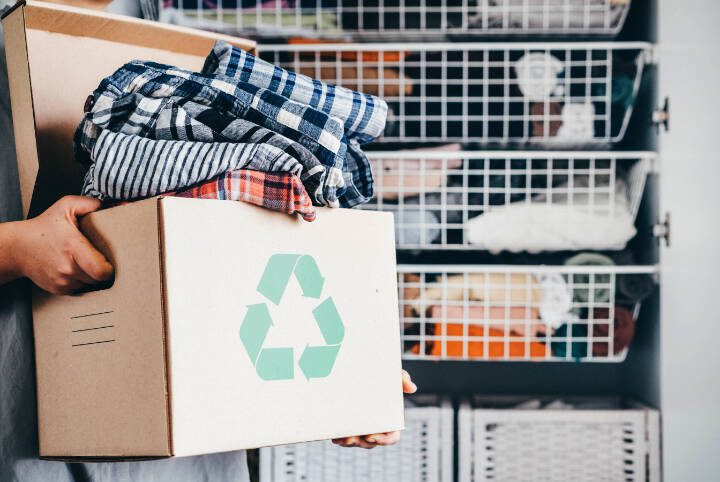
Another piece of the discussion is what happens when it’s time to retire clothing and other textiles. Too often, these items end up in a landfill. More than 22 billion pounds of textiles are thrown away each year in the U.S.; that’s more than 4,000 Olympic-sized swimming pools of wasted clothes, linens and shoes. This puts an end to a textile’s lifecycle and the potential for beneficial reuse.
How do we tackle such a massive problem? We start small, developing convenient local collection and education programs to recover used clothes and household textiles.
In partnership with the city of Kirkland, and as a pilot program in Snohomish County, WM implemented new textile collection in 2023 for apartment and condominium complexes. WM ReTRN (Recovering Textiles Right Now) carts are conveniently stationed at properties to allow residents to drop off textiles for reuse or recycling.
Programs like these allow textiles to be used again while saving residents time and energy. Other convenient options include donating to local secondhand stores and gifting to neighbors on Facebook Buy Nothing groups.
While you’re dropping off your clothing donations at a secondhand store, don’t forget to check out what’s inside. For a wide selection of everything you need for the younger members of your family, look for consignment shops exclusively for children’s clothing.
Another popular option is to find or set up a local clothing bank that passes items among neighbors. Add some clothes to the bin while picking out new-to-you shirts and tablecloths.
For clothes that are beyond donation, give them a new life through reuse. Old clothing can be cut into cleaning rags or upcycled into creative pieces such as reusable shopping bags.
Looking for another way to get involved in the green fashion movement? Think quality over quantity. Fast fashion clothes that are built for a few washes contribute to deforestation and carbon emissions.
Instead, opt for quality clothing that will last years. That’s the more sustainable choice. If shopping online, reviews can help to assess quality and longevity. Some brands will even repair damaged clothing to keep them in use.
Together, we can move toward a sustainable wardrobe and a healthier planet.
Karissa Miller is WM’s education and outreach manager. Find more sustainability tips at the WM website: wmnorthwest.com.
Talk to us
> Give us your news tips.
> Send us a letter to the editor.
> More Herald contact information.
























