SULTAN — A month after record-breaking floods hit Western Washington, many Snohomish County residents are still reeling from the damage, trying to recover and replace what the rivers washed away.
Snohomish County and Volunteers of America Western Washington partnered over the past week to temporarily open a Disaster Assistance Center in Sultan, bringing together state and nonprofit organizations to connect community members with critical resources.
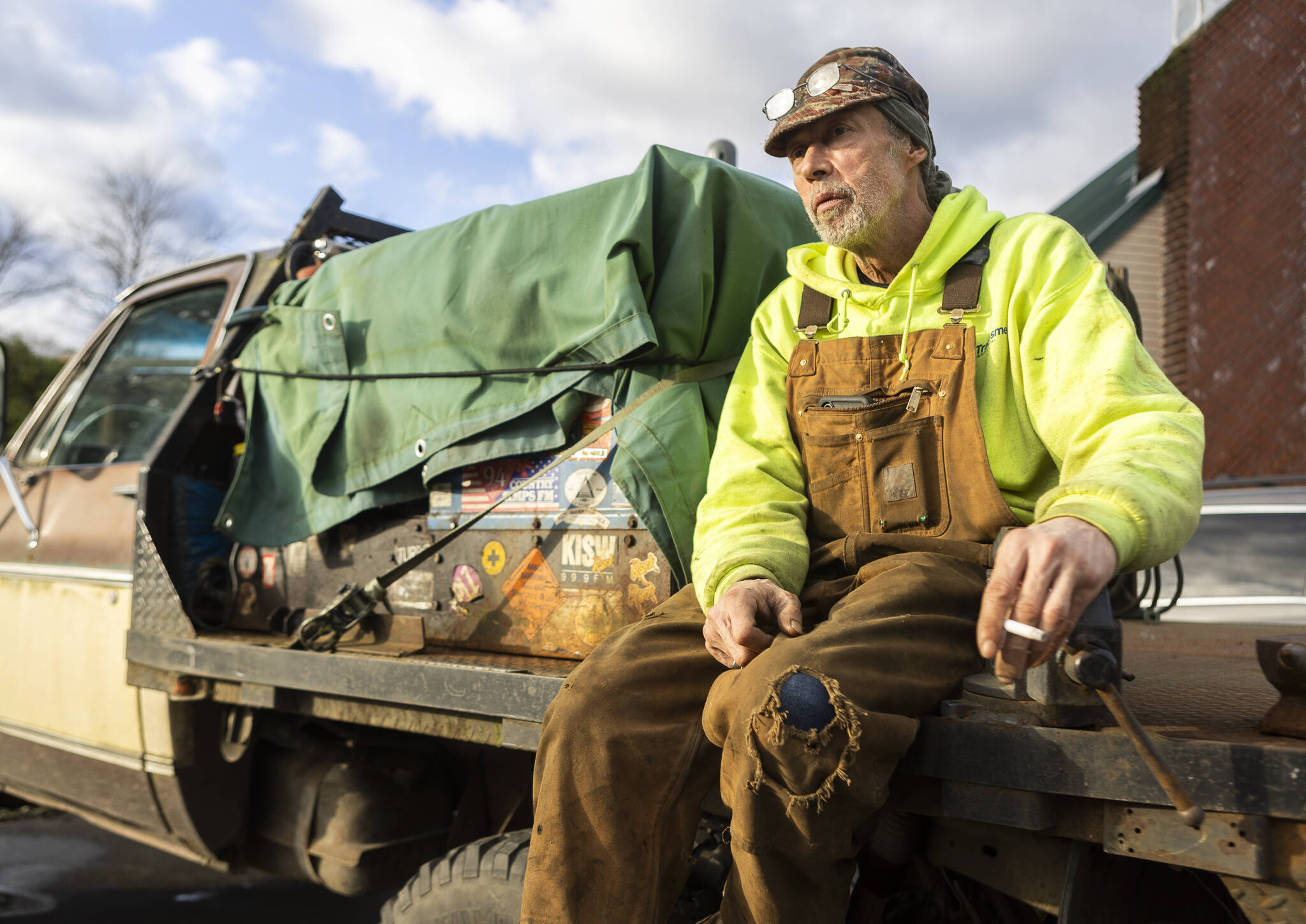
Kevin Stevens was one of the first people to arrive on Wednesday when the center opened. He ambled in with his brown Carhartt overalls strapped over his neon yellow hoodie. He wore a well-worn hat made of American flag fabric on his head.
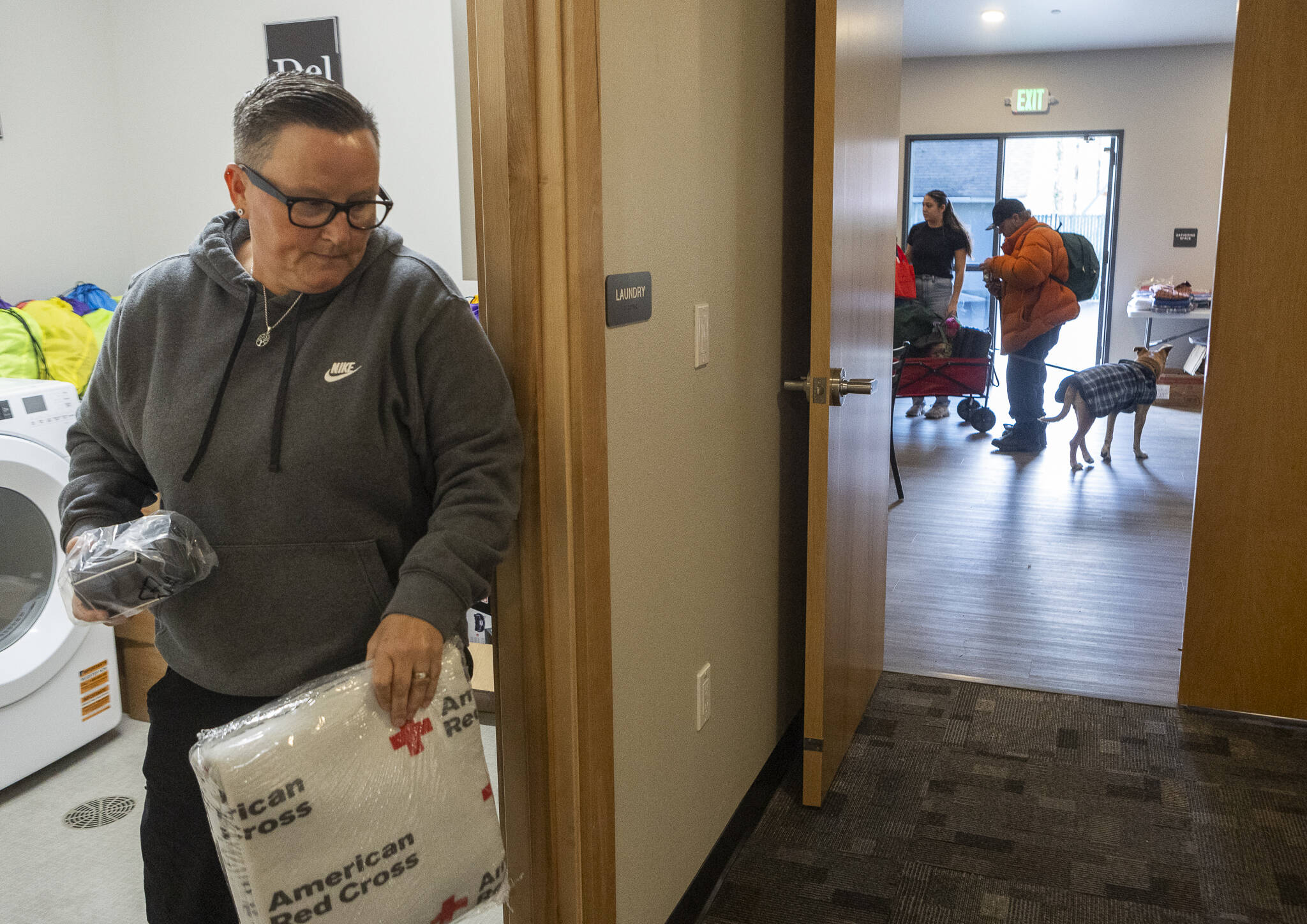
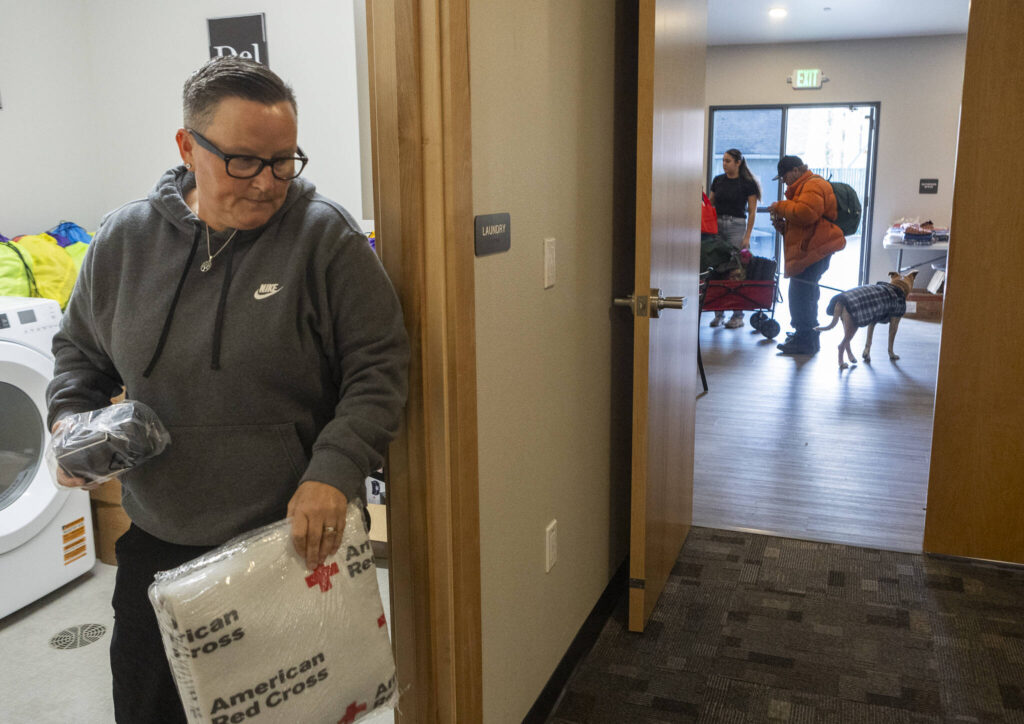
Tina Mandella, the operations director for Family Resource Centers, grabs a car bag for Bill Green at the Sky Valley Community Resource Center on Wednesday, Jan. 14, 2026 in Sultan, Washington. (Olivia Vanni / The Herald)
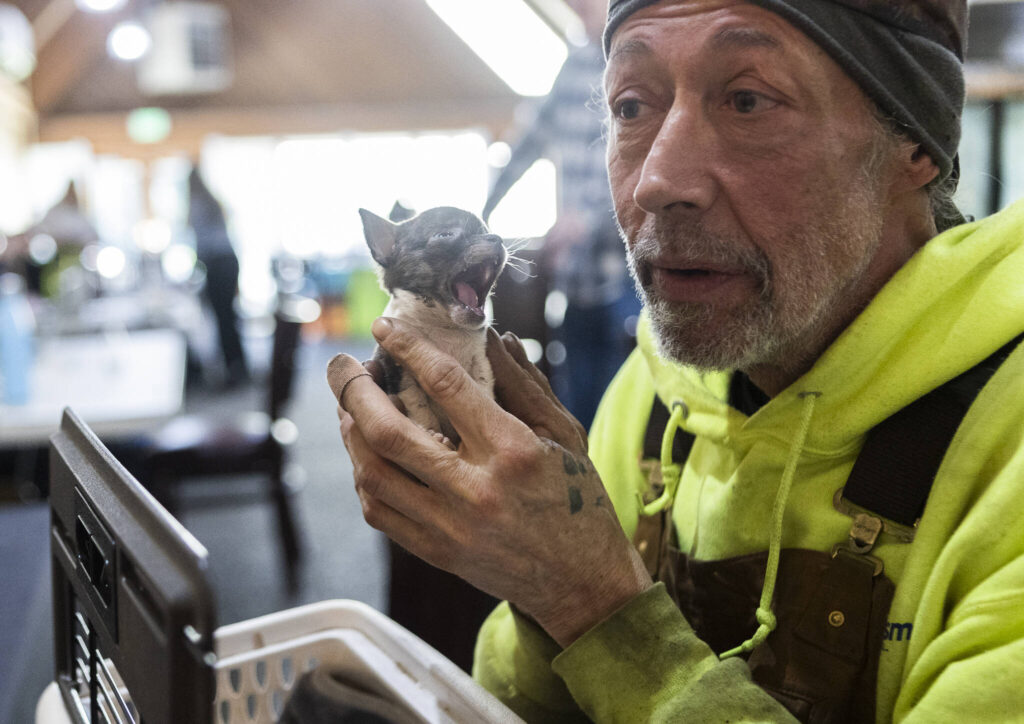
In his blackened, greased-covered hands, he held a pet carrier. Sitting down at an unfolded plastic table at the center, he opened the crate, gently taking out a Chihuahua puppy, barely the size of a grapefruit.
The mother had rejected the puppy, he said, so he had been hand-feeding the baby since, carrying her around to keep her warm and close by.
For the past four years, Stevens has lived in the Three Rivers Mobile Home Park, just north of Highway 522 on the banks of the Snohomish River.
The park was one of the first evacuation orders the county issued during the week of Dec. 8 when the Snohomish River rose to 34.15 feet — 9 feet above major flood stage.
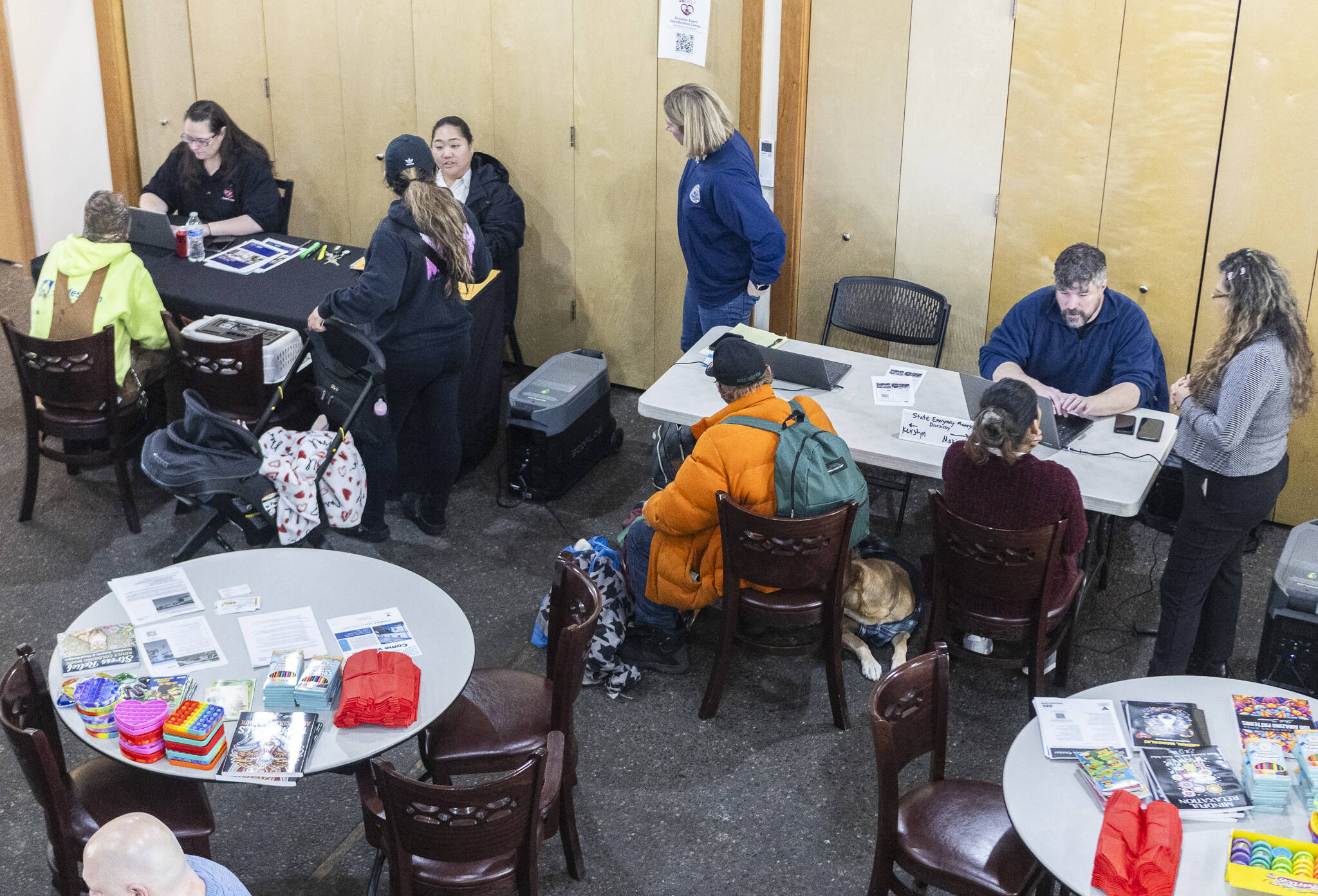
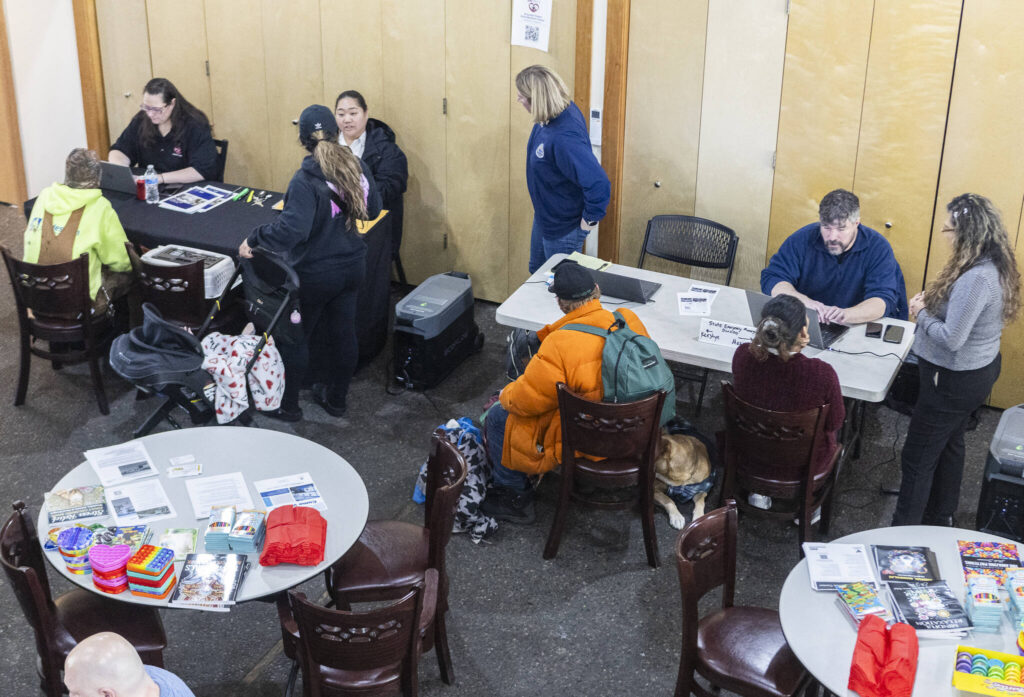
People receive assistance at the Disaster Assistance Center set up at the Volunteers of America Sky Valley Center on Wednesday, Jan. 14, 2026 in Sultan, Washington. (Olivia Vanni / The Herald)
“I wasn’t concerned so much for myself. I was concerned about these children in the trailers,” Stevens said, reflecting on his thoughts while the water rose around his home. “Christmas was coming in a couple days, and all these families, all their children, all the Christmas just got washed away. I could care less if I lost everything. Those children, for them to have to go through that, that’s what really bothered me.”
Stevens wasn’t able to get his trailer out of the park, and the home endured heavy damage. The home no longer has hot water, and the flooding ruined his oven, which he had been using to heat the house.
But he’s continued to stay in the park, taking care of his Chihuahua puppy, alongside four quickly growing 12-week-old German Shepherd puppies he hadn’t planned on having or raising, he said.
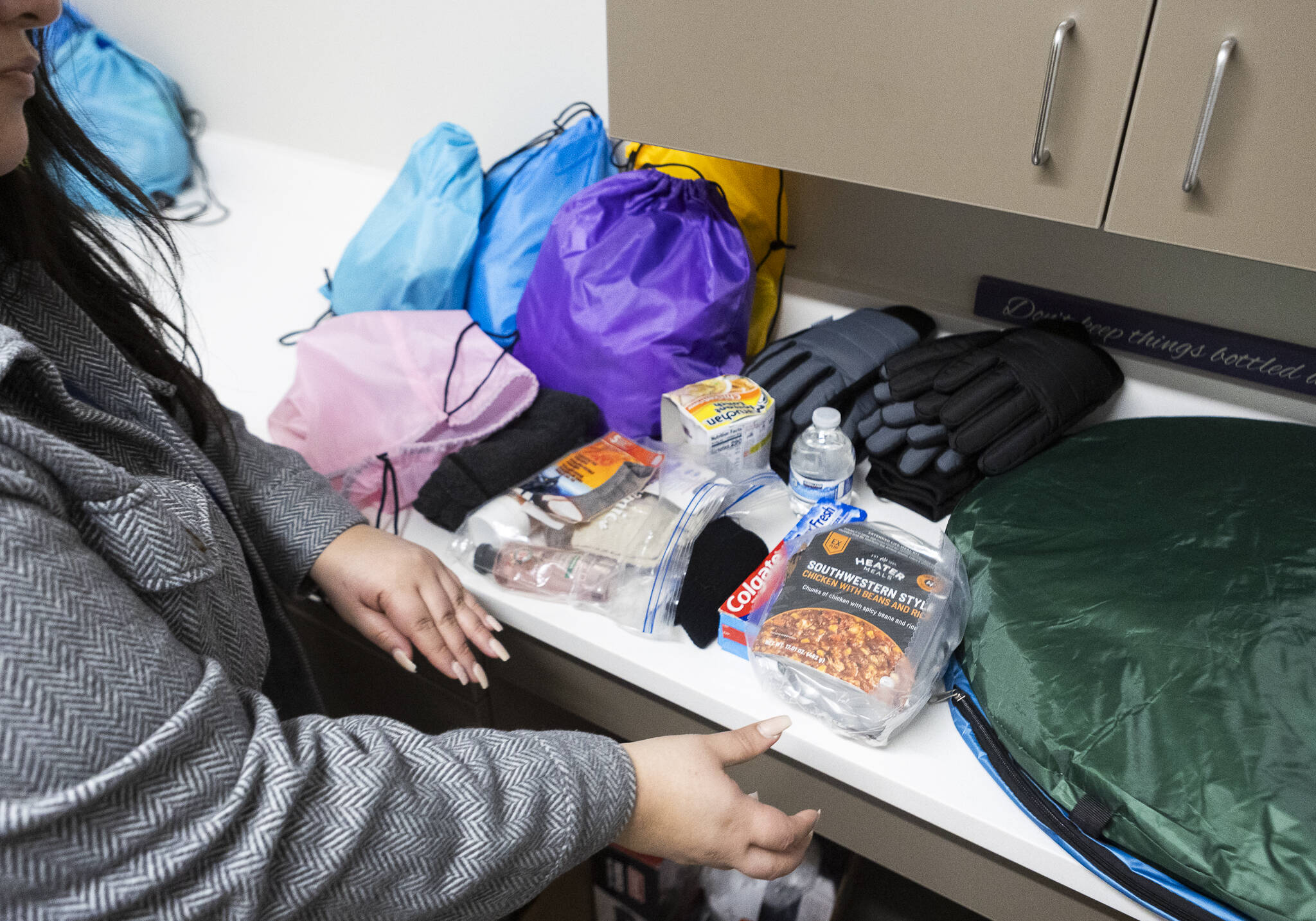
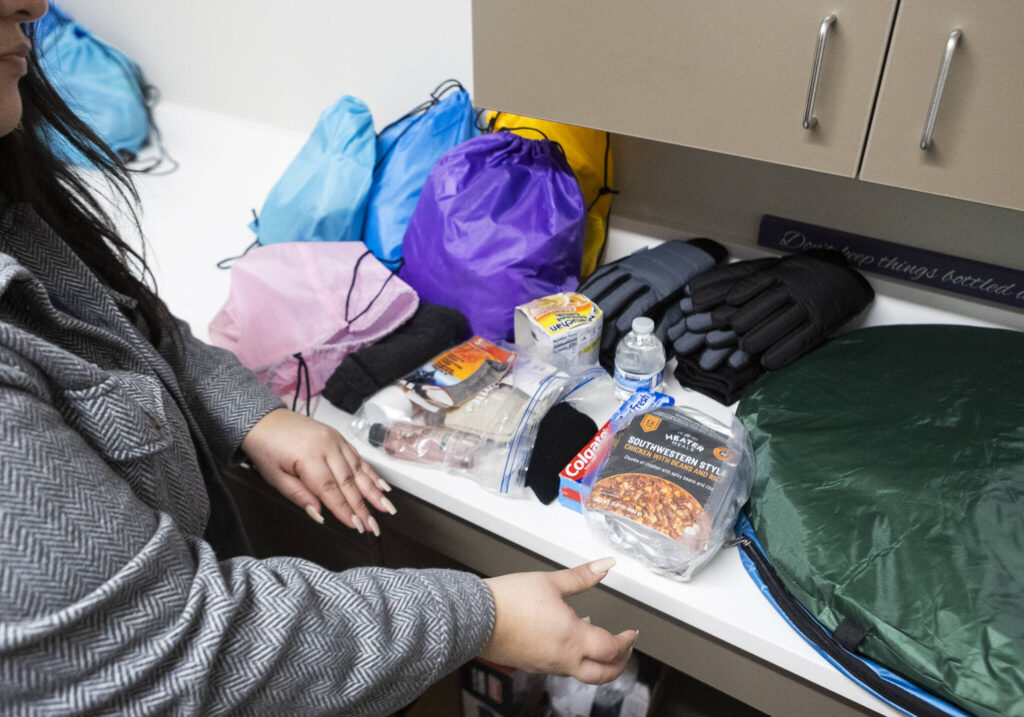
Inside one of the care bags offered by the Disaster Assistance Center on Wednesday, Jan. 14, 2026 in Sultan, Washington. (Olivia Vanni / The Herald)
He received a $100 Walmart gift card at the center and picked up some dog food for his pack of puppies before getting back in his truck to drive home to Three Rivers.
During the flood’s peak, 36,000 acres, or 56 square miles, of Snohomish County were underwater, said Lucia Schmit, the director of the county’s emergency management department. Over 800 people were told to evacuate. Fifty-two roads were closed.
While the county is still working with the Federal Emergency Management Agency to assess damages and collect data from the county’s flood survey, Snohomish County Public Works staff currently estimate that roads and infrastructure sustained $3.65 million in damages, county spokesperson Bill Craig said in an email.
The county is seeking funding from FEMA and the Federal Highway Administration to support recovery efforts.
County staff have been utilizing FEMA’s satellite imagery, overlaying the images with county GIS maps, to try to determine exactly which buildings, homes and areas were inundated by floodwaters.
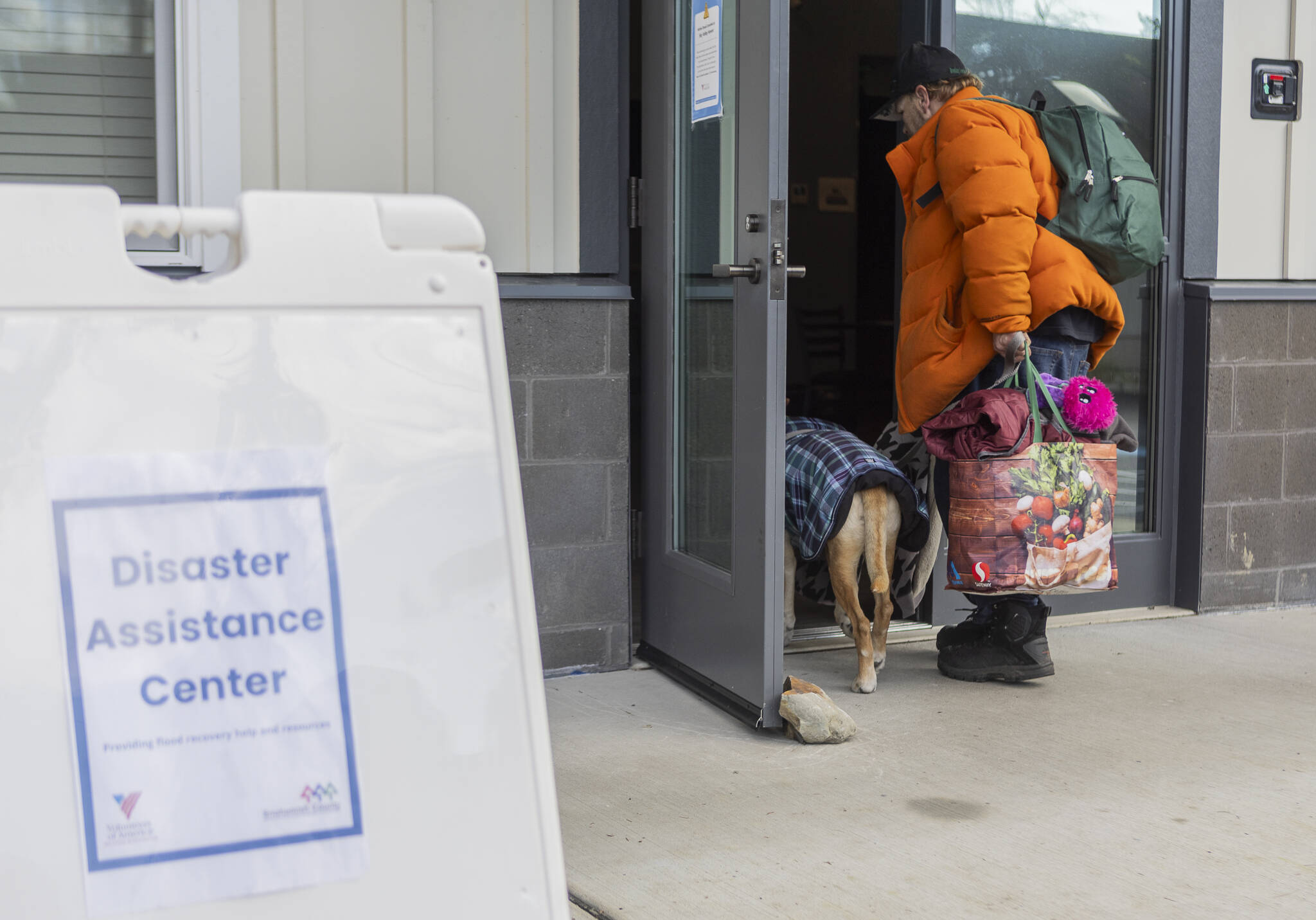
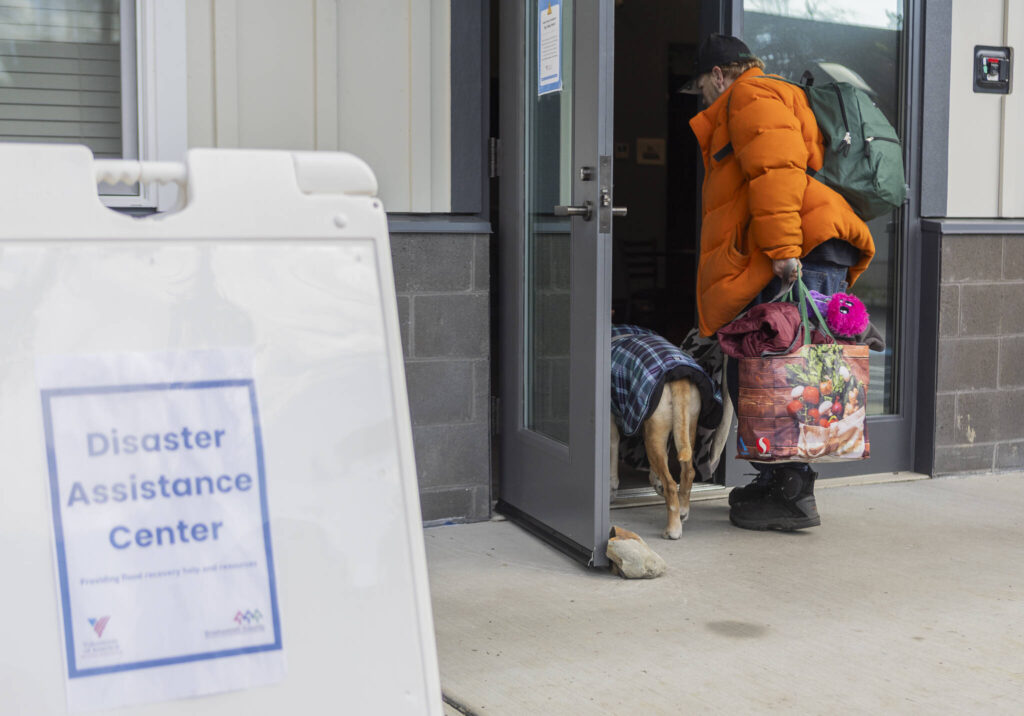
Bill Green walks into the Disaster Assistance Center with his dog Malaki on Wednesday, Jan. 14, 2026 in Sultan, Washington. (Olivia Vanni / The Herald)
“A lot of people impacted are people already living in the margins,” Schmit said on Wednesday in Sultan. “They rent land they park an RV on, so they’re people who the satellite imagery might miss and people who might have missed the survey because they aren’t as plugged into government efforts.”
Bill Green is one Snohomish County resident deeply affected by the floods who was likely missed by satellites and online surveys.
Green grew up in Monroe and was living in a tent with his dog Malaki on the side of Highway 2 when the floods hit, the torrent of water sweeping away his tent and belongings.
“I lost everything in the flood, went downriver,” he said, sitting in a chair in the lobby of the Sky Valley Center while Malaki, wearing a plaid jacket, tossed a new octopus squeaky toy the resource staff had given him.
Green was able to make it to the Red Cross shelter that was set up at the Evergreen State Fairgrounds and then a motel that the Red Cross helped set him up with for a week.
Since then, he’s been living on a street in Monroe, carrying his remaining things in a few plastic bags.
Through the Volunteers of America Sky Valley Community Resource Center, he received a new tent, blanket and wagon to carry his things, alongside a bag of dog food for Malaki. The center also gave him a care bag, filled with feet warmers, soap, toothpaste and instant ramen.
While the hub shut down Wednesday evening, many resources are still available at Sky Valley Center and Volunteer of America centers in Arlington and Lake Stevens.
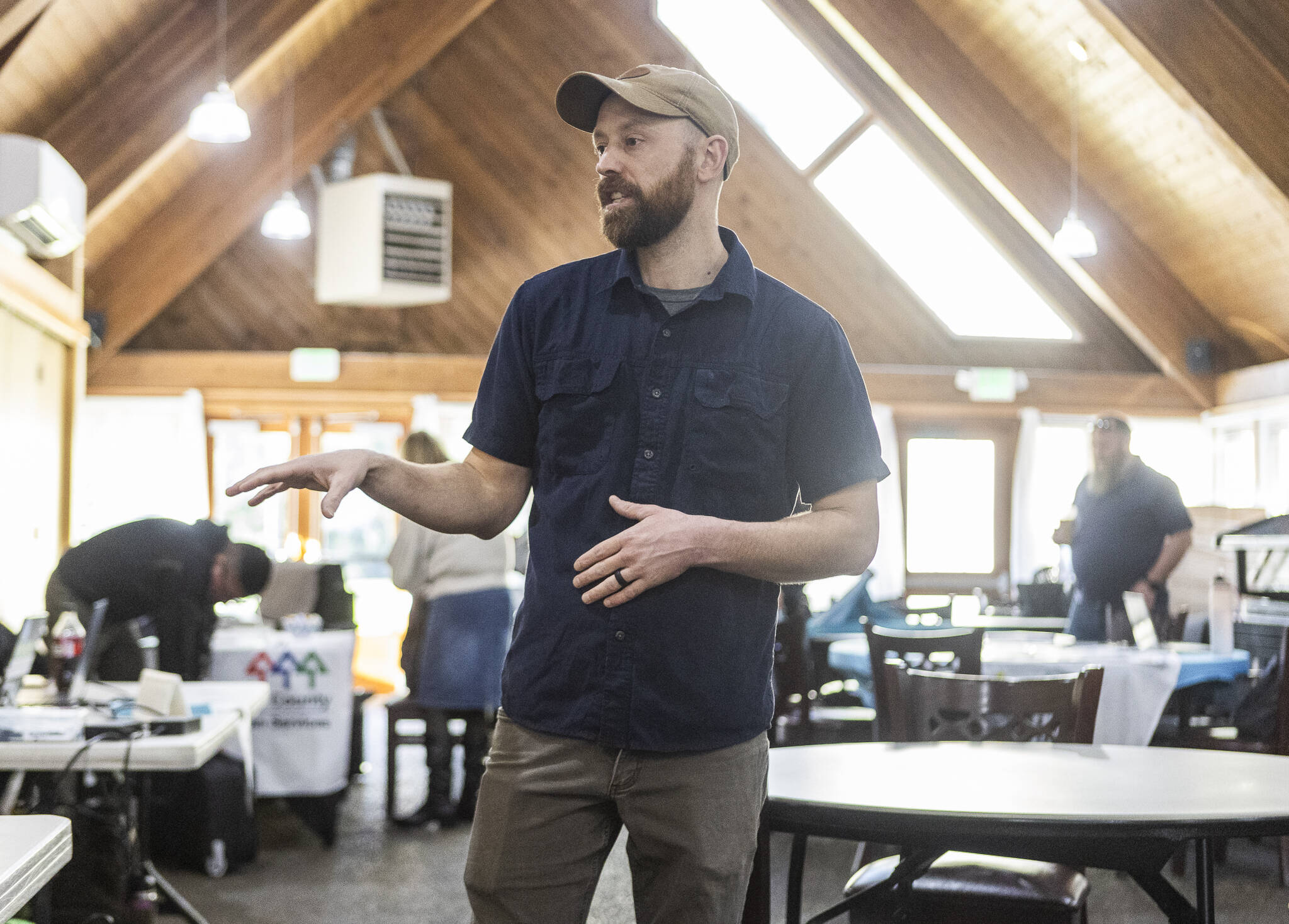
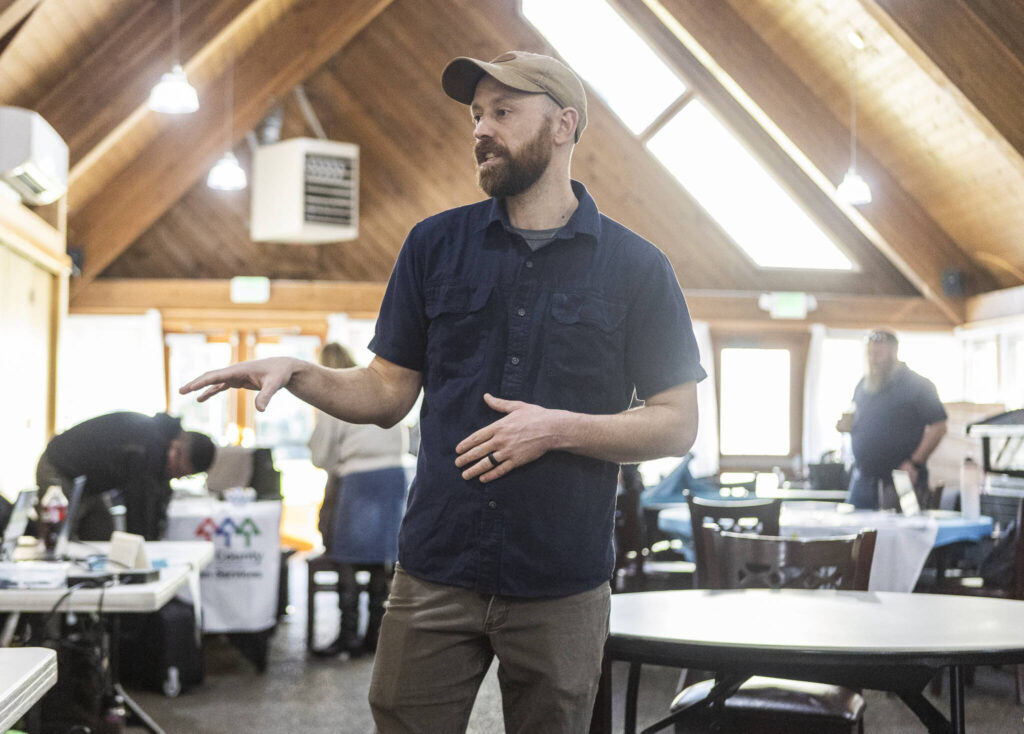
Tyler Verda talks before the Disaster Assistance Center opens on Wednesday, Jan. 14, 2026 in Sultan, Washington. (Olivia Vanni / The Herald)
The county has provided Volunteers of America with funding, allowing the organization to give up to $750 per household to assist people in flood recovery. The money cannot be used for rent assistance or renovation but can be used to replace cleaning supplies, car parts, mattresses, food and other items.
To qualify for funds, which will be given out on a first-come, first-served basis, residents must fall within 80% of the county’s median income. Residents must call and schedule an in-person appointment to meet with a Volunteers of America representative, who will help them order needed items for delivery. Bring an ID, income documentation and a list of needed supplies to the meeting.
Contact the Sky Valley Center in Sultan at 360-793-2400, the Arlington Community Resource Center at 360-322-6988 and the Lake Stevens center at 425-405-2252.
Unhoused residents can also go to resource centers to get assistance with replacing sleeping bags and tents.
County officials urge residents to visit the Salvation Army website at https://www.sahelp.org/ or 833-719-4981 to find and access additional recovery resources.
Eliza Aronson: 425-339-3434; eliza.aronson@heraldnet.com; X: @ElizaAronson.
Eliza’s stories are supported by the Herald’s Environmental and Climate Reporting Fund.
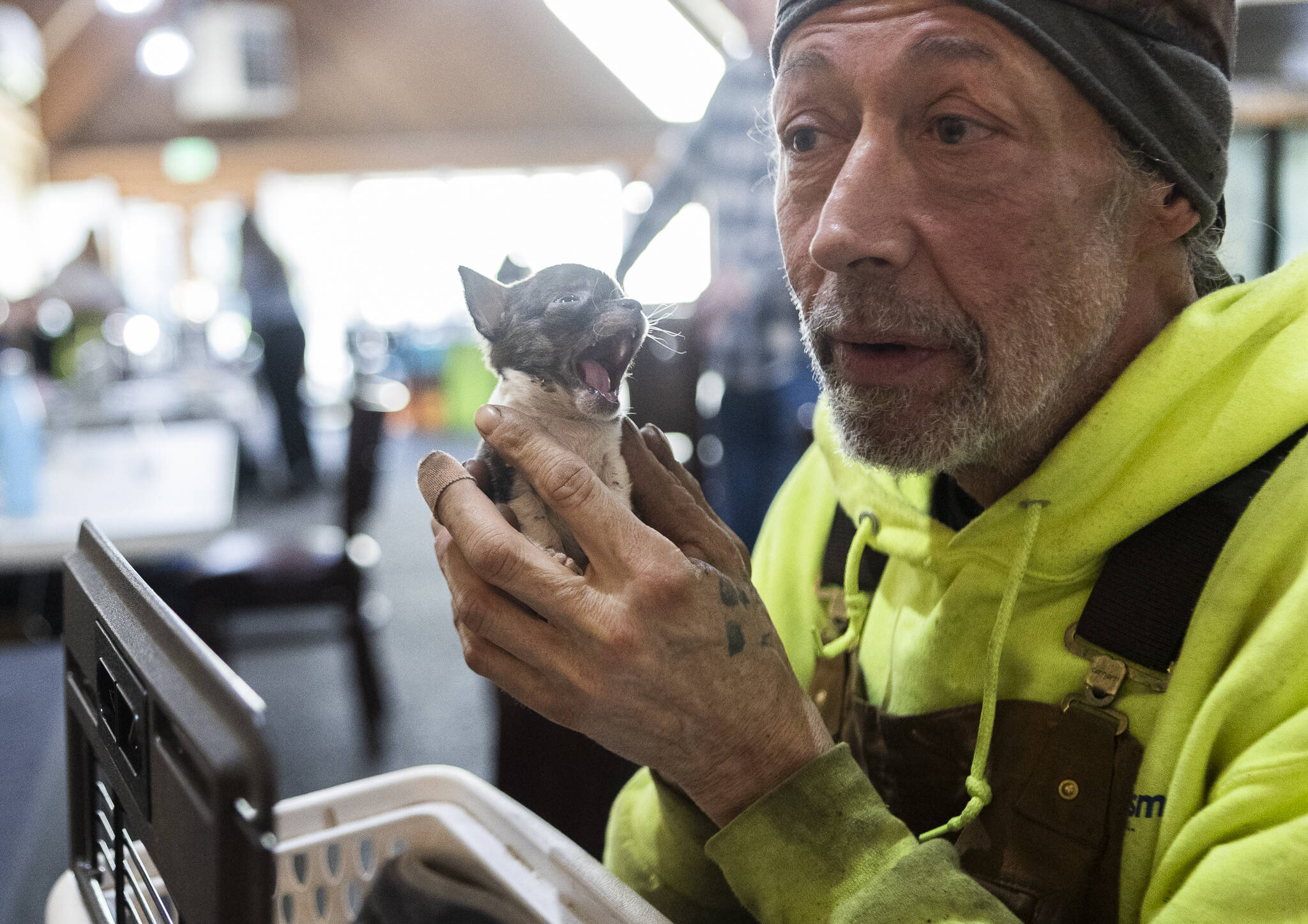
Kevin Stevens holds his Chihuahua puppy inside the Disaster Assistance Center on Wednesday, Jan. 14, 2026 in Sultan, Washington. (Olivia Vanni / The Herald)
Talk to us
> Give us your news tips.
> Send us a letter to the editor.
> More Herald contact information.
Gallery