Another young adult, beyond family reach, lost to mental illness
Published 9:04 pm Saturday, April 2, 2016
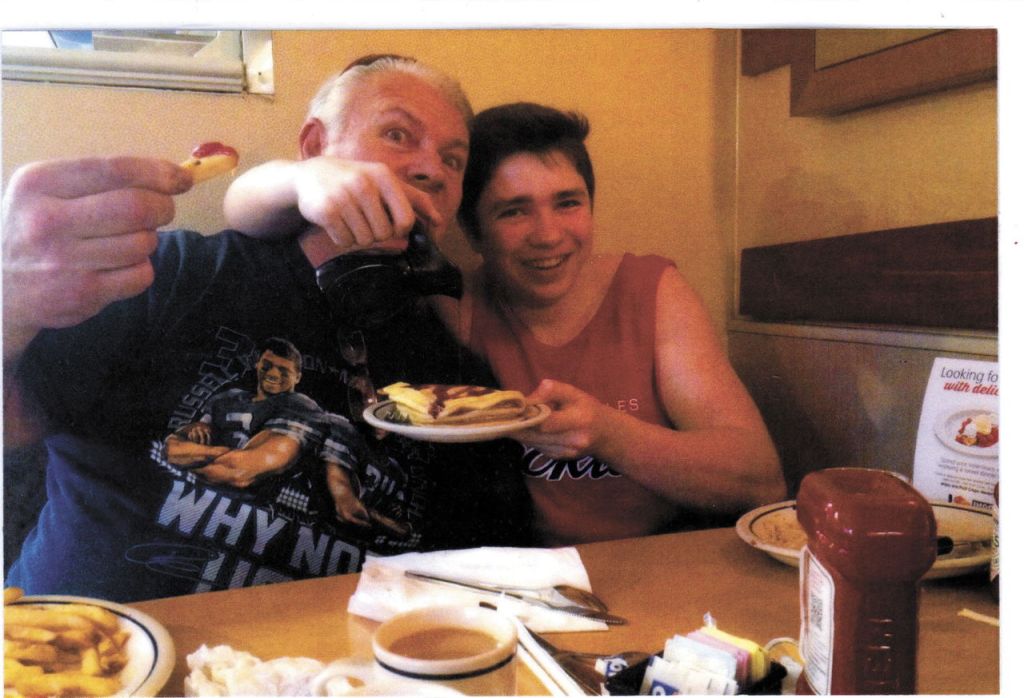

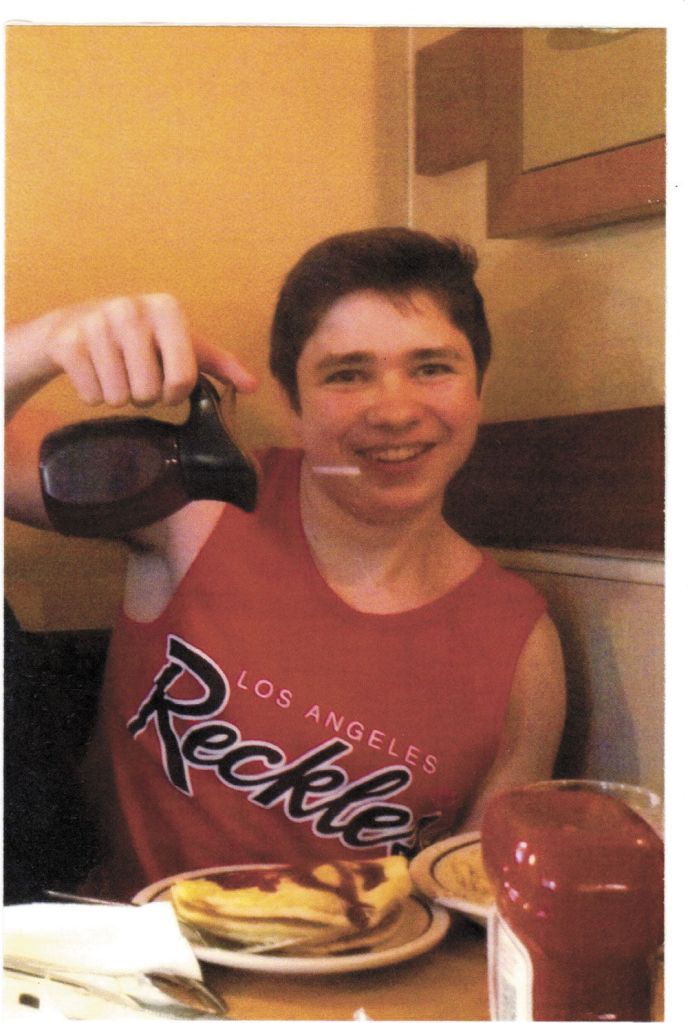
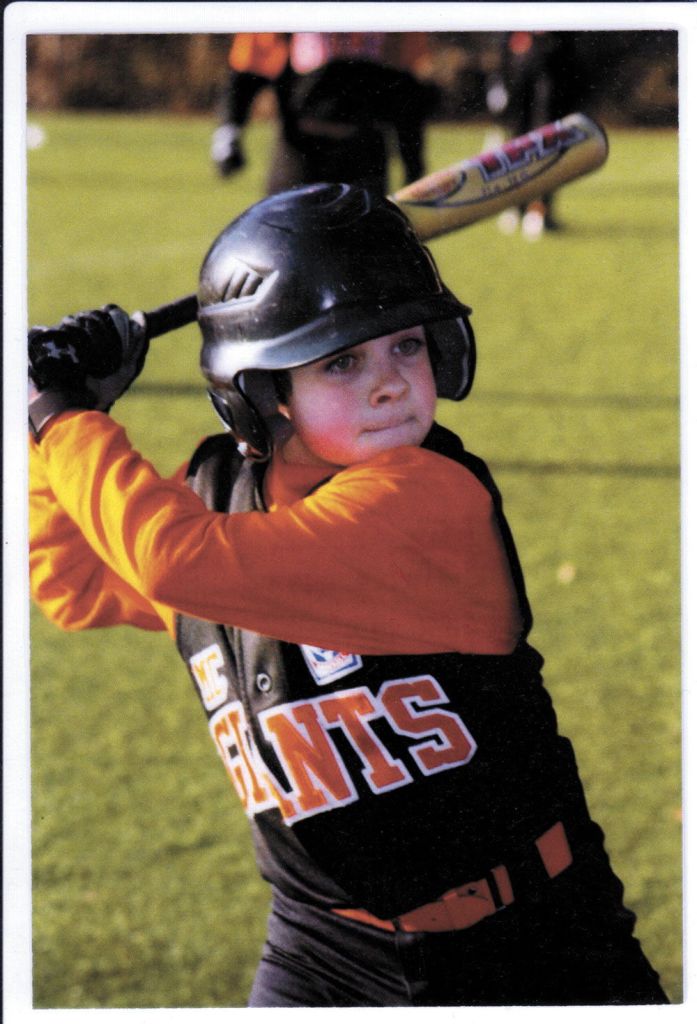


MILL CREEK — Pierce Milton was hospitalized twice last summer for concerns about his mental health, including an apparent attempt at suicide. His family believes he was beginning to show signs of schizophrenia.
Milton last was released from the hospital on Sept. 7. He didn’t meet the requirements under state law for involuntary commitment. His family, who was trying to get him help, was told there was no indication he was in immediate danger.
That same night, just after 9, Milton took his father’s car from their home near Mill Creek. Out of options, his father called 911, making sure the dispatcher knew his son was suicidal. The police spotted the vehicle and a brief chase ensued along Cathcart Way, toward Highway 9.
Milton drove straight across the highway and into a tree. The car caught fire, and he died. He was 18 years old.
He had returned home from the hospital just three hours earlier.
Documents from the police investigation of the death, including the 911 recording, were obtained by The Daily Herald through public records requests. Medical privacy prevents the release of records about Milton’s hospital stays.
The available records show a young man in crisis and his family trying to intervene. It’s a story that has been repeated across the country as families and communities struggle to help people living with mental illness. The civil rights of an adult patient often prevent loved ones from getting them needed care.
Milton’s death prompted an investigation by the Snohomish County Multiple Agency Response Team. The team is assigned cases where police have used potentially fatal force, a category that can include high-speed chases. Nearly five months after the death, the completed case was forwarded to Snohomish County Prosecutor Mark Roe for review.
Roe is tasked with determining whether the officers’ actions were legally justified. He hasn’t yet announced a decision.
Commitment rules
To involuntarily commit a patient in Snohomish County, hospitals need approval from a team of designated mental health professionals.
In 2015, the team evaluated about 1,400 people, and more than 920 were committed, said Carola Schmid, who supervises the Snohomish County Involuntary Treatment Program. The county team can commit adults for 72 hours. The next step, a 14-day hold, requires an additional mental-health evaluation and a court review. Police records show a 14-day hold was considered for Milton at one point but didn’t happen.
Under the law, involuntary commitment requires the ability to show the court that patients are a danger to themselves or others, or they are gravely disabled, Schmid said. The evaluation can include talking to the patient and family members and observing behavior.
Patients have the right to remain silent or request an attorney.
“We have to be able to show the person suffers from a mental disorder,” she said. “That’s not the same as a diagnosis.”
The standard is “severe mental health symptoms currently impacting their cognitive and emotional control,” she said.
Detectives who spoke with Milton’s family and friends learned about a bright, loving young man. They were told about an abrupt and severe personality change that took place last summer.
Family shares story
Still grieving the young man’s death, Milton’s family declined to be interviewed for this story.
Milton was a junior at Jackson High School when he was diagnosed with digestive problems. He received a doctor’s permission to use medical marijuana. Over the next year, his grades dropped from nearly straight As to failing, records show. His senior year, he stopped going to school. Later, he began sleeping in his car, saying he didn’t feel safe in the house at night.
Milton started talking about the dawning of a new age, about volcanoes and crystals, and he reportedly experimented with psychedelic mushrooms and other street drugs. He stopped bathing and exercising, and he isolated himself from friends.
In the weeks before his death, he informed his parents he was moving out “because the stars told him to.” He quickly moved back in, saying his new roommate had tried to kill him. He started talking about suicide.
Several of Milton’s friends spoke with detectives. They also described strange behaviors. They said Milton had talked to them, too, about people being out to get him.
Milton had not been diagnosed with a mental illness. Before the pursuit, he had no criminal history, not even a traffic ticket. His family told police they suspected schizophrenia, which can start to manifest in men in their late teens.
On Aug. 21 — less than three weeks before he died — Milton ran partially clothed into a bar where his brother worked. His father was there as well and tried to talk to him but he drove off. He went to a trailer park in the Gold Bar area, knocking on doors and asking people if he could save them. When confronted by police, he ran into the woods. Sheriff’s deputies and his family searched for him without success.
The next day, trailer park staff saw him hypothermic and bruised, trying to find his car. They called his family, who took him to the hospital. On the way, Milton said he wanted to die.
A medical evaluation found a collapsed lung, an injury he sustained jumping from a tree in an apparent suicide attempt. He told a friend he had been trying to “ascend.” He was placed on a 72-hour hold.
Patient privacy catch
Milton was smart. He knew the rules. He told the medical staff his behavior was the result of drug use and that he wasn’t suicidal. His family learned the hospital could no longer hold him because he had agreed to take better care of himself or he’d be committed. Because of patient privacy laws, the details his parents received were vague, sometimes secondhand. Milton was released Aug. 27.
After that hospital visit, Milton began “experiencing delusional thoughts, paranoia and disorganized thinking,”detectives wrote.
On Sept. 5, he told a neighbor someone was trying to harm him.
On Sept. 6, the night before he died, Milton was hospitalized in Bellingham after suffering a breakdown in the deli of a Fred Meyer. His cousin worked at the store, which is likely why he went there, but his cousin wasn’t on shift at the time.
An officer and medics were summoned to help a shirtless man who was acting strangely, convulsing and refusing assistance, said Bellingham police Lt. Bob Vander Yacht, a department spokesman.
Milton had partially healed cuts all over his body, a bandage on his ribs, and his breathing didn’t sound right.
“He was yelling and chanting and rambling about something he called a lightning zapper,” Vander Yacht said. “He said that was a weapon he had to protect himself. He didn’t have any weapon, though.”
At one point, Milton started to scream, and he was handcuffed, not to arrest him but to make sure everyone around him was safe as he went to the hospital, Vander Yacht said.
Again, Milton’s parents requested a psychiatric evaluation. Again, Milton’s parents were told the hospital couldn’t hold him against his will, that he didn’t meet the legal threshold.
The family “tried to have (him) remain in the hospital but was unsuccessful,” according to a report by the lead detective for the SMART investigation, Charles Sletten with the Washington State Patrol.
Milton was released the next afternoon, Sept. 7. When he returned home, about 6 p.m., he told his family the world was a bad place, and he didn’t want to be in it anymore. He kept saying, “It’s the end.”
His father and brother tried to talk to him, to tell him he had so much to do in life.
That night, Milton got hold of a decorative Scottish war hammer and started hitting himself in the head. His dad wrestled it away. While he was securing the hammer, his son snatched his car keys. He knocked on the car window and tried to stop Milton from leaving the driveway. He called 911 and told the dispatcher his son was suicidal.
“We’ve been having a lot of problems with him the last couple of weeks,” the father said on the 911 recording. “… He would never have done anything like this before, but he’s really nuts right now.”
The father later told police he made the call hoping his son would be found before he could hurt himself.
Careening toward catastrophe
A Snohomish County sheriff’s deputy spotted the BMW leaving the neighborhood on 134th Place SE, which turns into Cathcart Way. Another deputy and a Mill Creek officer joined him.
The police were following Milton when he stopped at the red light before Highway 9. He then made a U-turn back onto westbound Cathcart Way.
After about a block, he made another U-turn so he was eastbound again.
The police began trying to pull him over. One of the deputies attempted to block the eastbound lanes with his patrol car, but Milton drove around him.
His speed was calculated at more than 70 mph on the 45 mph road. A witness reported that the police cars were about 100 yards behind the BMW before the crash.
There were no tire marks or other evidence to indicate any braking, detectives wrote. The tree was about 35 feet from the road. Its bark was torn off 6 feet high during the crash. The deputies and the officer could not get through the heat of the flames to help Milton.
An autopsy found no drugs or alcohol in his system.
The deputies and the officer were placed on paid leave, which is standard procedure after police are involved in a death. All three returned to work later that month.
The sheriff’s office is waiting on the prosecutor’s decision before determining whether to conduct an internal review, spokeswoman Shari Ireton said. Such reviews are common after deaths and after pursuits.
The Mill Creek Police Department read the detectives’ reports. They found no reason to believe the officer violated any policies, spokeswoman Kelly Chelin said.
Milton is among at least seven people who have been killed in local pursuits since 2013. The number isn’t precise because not every department notifies the public of a death.
On Feb. 1, Sheriff Ty Trenary enacted new restrictions on when deputies are allowed to give chase. Similar changes have been made in recent years at police departments in Everett, Bothell, Lake Stevens and Mountlake Terrace.
Rikki King: 425-339-3449; rking@heraldnet.com.