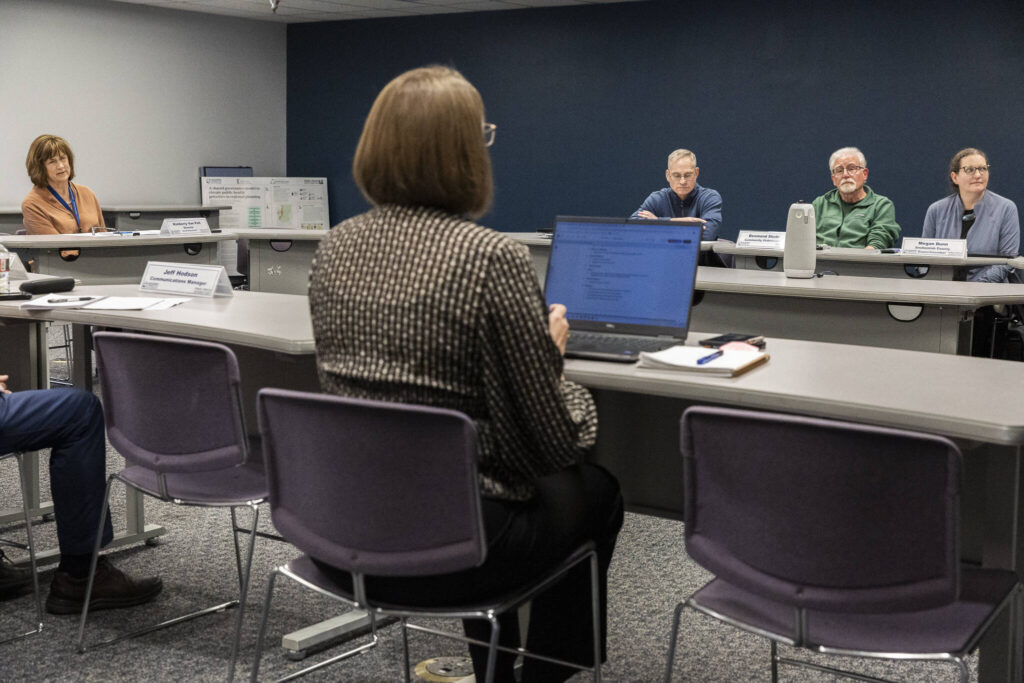
EVERETT — The Snohomish County Board of Health unanimously approved a resolution Tuesday calling for the state to maintain funding for public health services.
Due to a cut in Gov. Bob Ferguson’s proposed supplemental budget and taxing changes from a bill passed last legislative session, the state could see a 40% cut in Foundational Public Health Services funding.
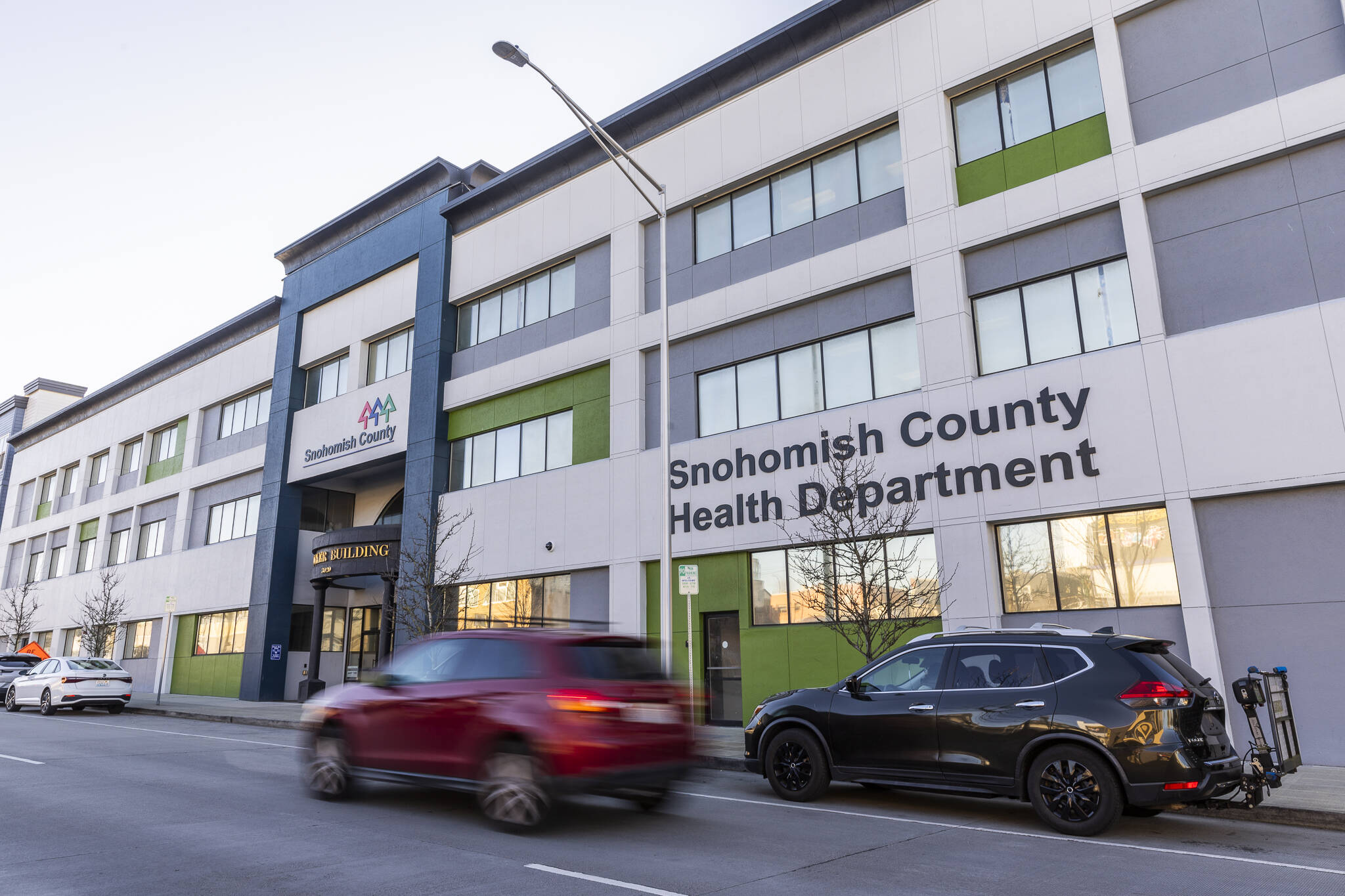
The state’s Foundational Public Health Services account was created in 2019. Some of the funding gets funneled to local health jurisdictions, such as the Snohomish County Health Department. The department receives $6.8 million per year — or 25% of its budget — from Foundational Public Health Services funding.
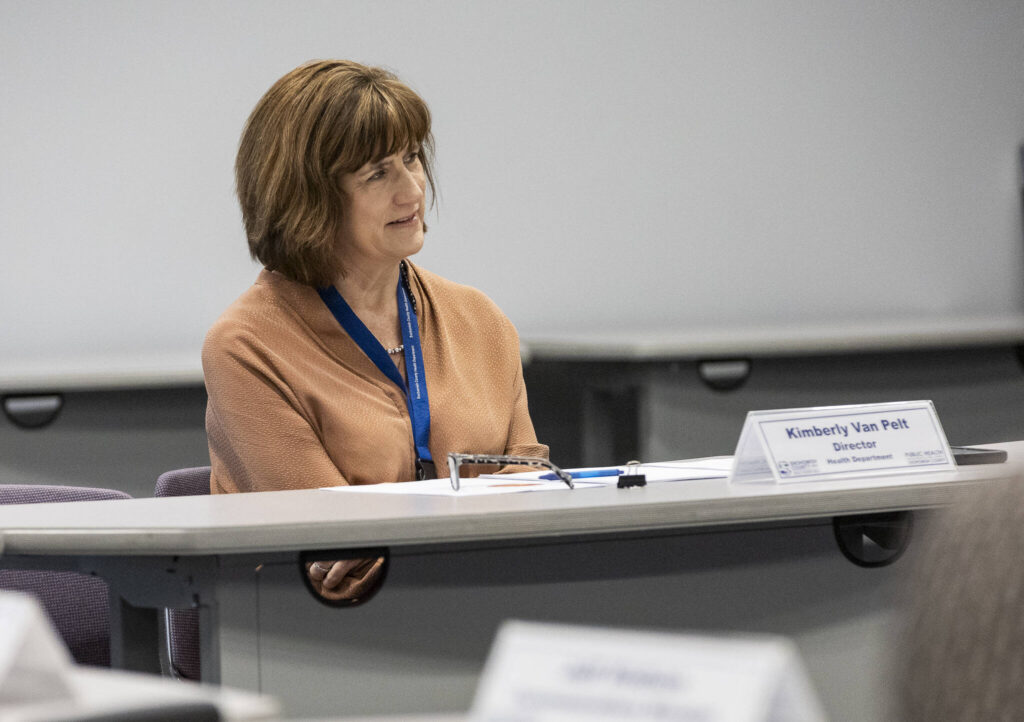
Foundational Public Health Services include specific programs — such as communicable disease control, maternal child and family health, and environmental public health — and broader capabilities — including communications, emergency preparedness and policy development. For the Snohomish County Health Department, the funding goes toward programs that grants don’t often cover. About 56% of the department’s staff are at least partially funded through Foundational Public Health Services, Snohomish County Health Department Director Kim Van Pelt said in an interview Monday.
“When they talk about making significant cuts to FPHS, we pay a lot of attention because that’s going to have a real impact on the services we deliver here,” she said.
With the state facing a $2.3 billion budget deficit, Ferguson’s proposed 2026 supplemental operating budget includes several cuts, including a $29 million cut to Foundational Public Health Services. Ferguson’s office did not respond to a request for comment.
The Foundational Public Health Services account is partially funded by the state’s tax on vapor products. In January, a bill went into effect that subjects any product that contains nicotine, including vapes, to the tobacco products tax rather than the vapor products tax. Health officials estimate a $21 million loss as a result of the change, Van Pelt said.
Foundational Public Health Services funding was a large part of the health department’s response to the December floods, Van Pelt said. The money funded staffing of the county’s emergency operations center, environmental health risk monitoring and multilingual outreach to residents.
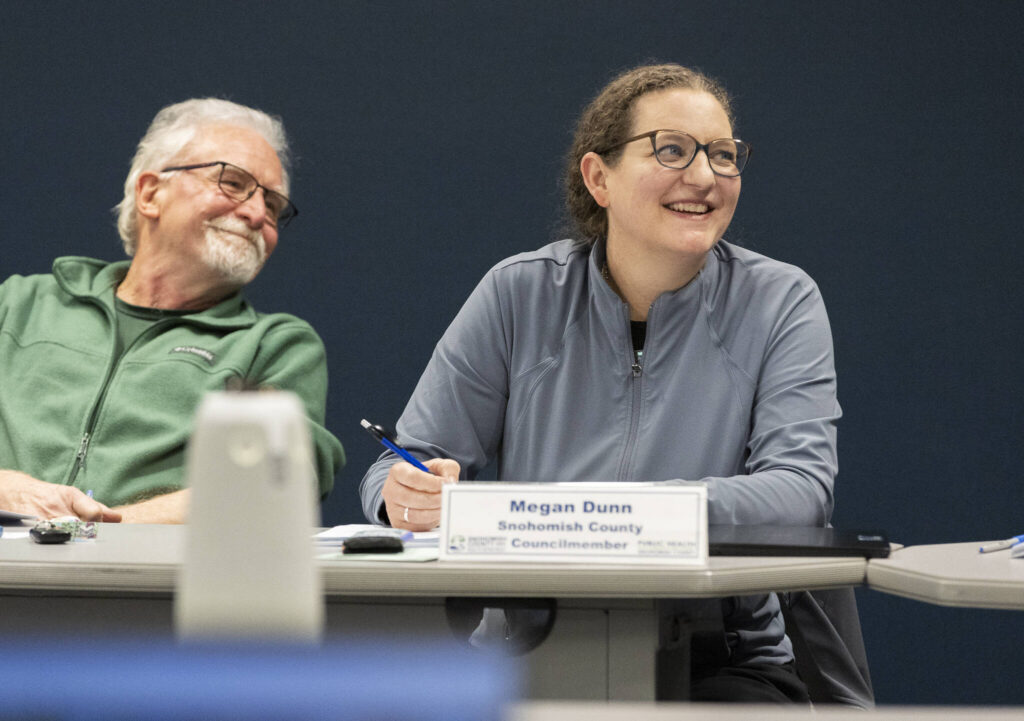
“We have to be ready and trained to deal with a lot of these issues and have the staff ready for that,” said Megan Dunn, chair of the Snohomish County Board of Health, in an interview Tuesday. “It’s really important that it’s both preventative and providing a lot of services that we have, like maintaining maternal and child health, immigrant services and all of our food services.”
The funding has also been essential for addressing the county’s measles outbreak, Van Pelt said. The department declared an outbreak in January after confirming three cases in connection with a South Carolina family who visited Snohomish County over the holidays. Contract tracing, coordination with other health departments and medical facilities, and communication to the public were all funded in part by Foundational Public Health Services.
“Without FPHS support, delays in response would have increased the risk of disease spread in schools, healthcare settings, and neighboring jurisdictions, leading to higher costs and preventable illness,” the resolution read.
The resolution also said Foundational Public Health Services funding has allowed the department to track and respond to sexually transmitted infections. In the first half of 2024, the county reported more than 1,000 chlamydia cases, 200 gonorrhea cases and 20 syphilis cases. Funding for sexually transmitted infection mitigation has faced cuts at the national level, Van Pelt said.
Four bills in the Legislature would make changes to the vapor and tobacco tax system to restore funding to the Foundational Public Health Services account. County representatives, along with state public health organizations, are lobbying in support of these bills in Olympia. They’re also calling on the governor to restore Foundational Public Health Services funding in the budget.
The department will have a better idea of what cuts could look like after the legislative session ends March 12.
“We are really hopeful that our policymakers will understand that a 40% cut to the monies received from FPHS is just not doable,” Van Pelt said. “So we’re really optimistic that our policymakers will be responsive to our concerns.”
However, the department is preparing for potential cuts, Van Pelt said. The department is currently looking at how to maximize efficiency so services are impacted as little as possible, she said.
“We often say in public health that you don’t really understand the benefit of public health until, unfortunately, things go bad,” Van Pelt said. “The reality is that public health keeps our community safe every day, and so maintaining a strong public health system is really essential.”
Jenna Peterson: 425-339-3486; jenna.peterson@heraldnet.com; X: @jennarpetersonn.
Talk to us
> Give us your news tips.
> Send us a letter to the editor.
> More Herald contact information.
Gallery