Defendant testifies in 2013 Lake Stevens murder trial
Published 1:30 am Saturday, October 26, 2019
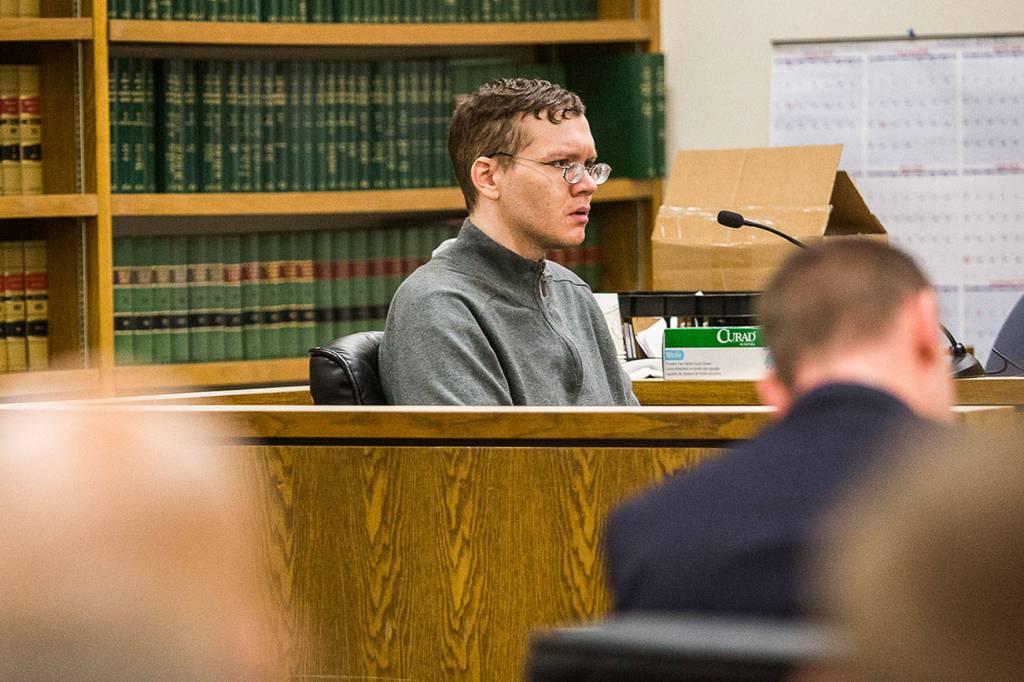
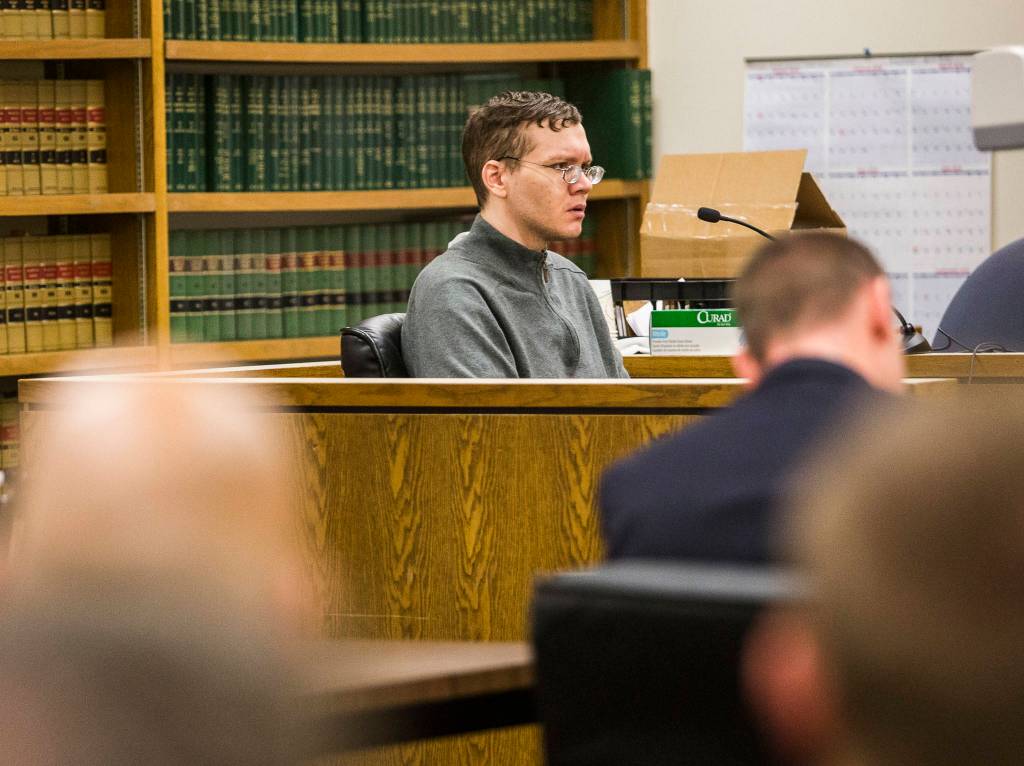
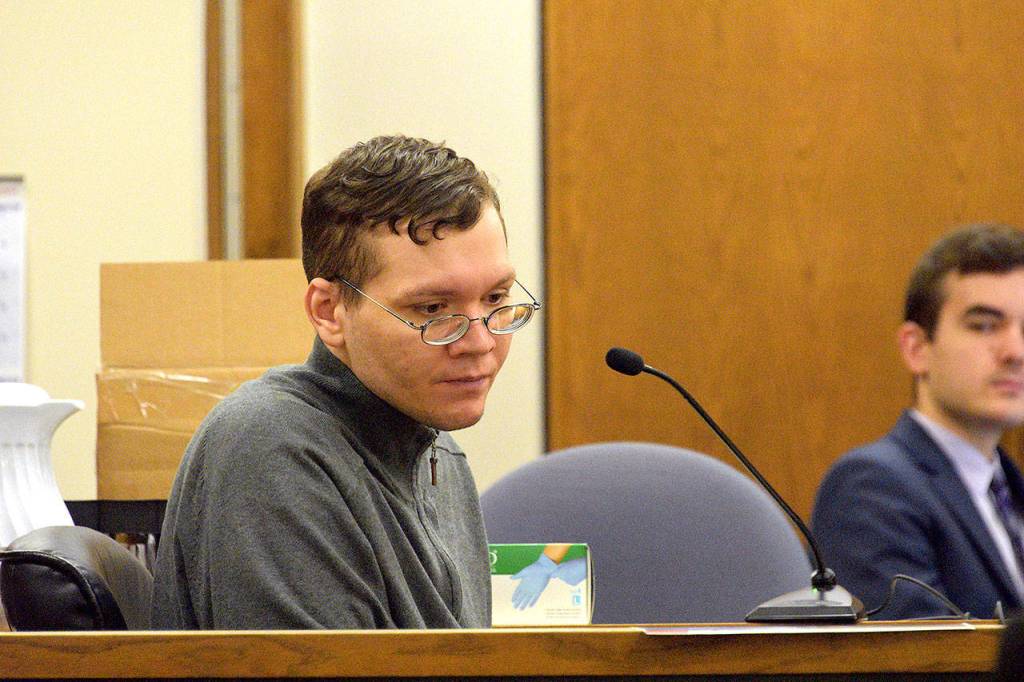
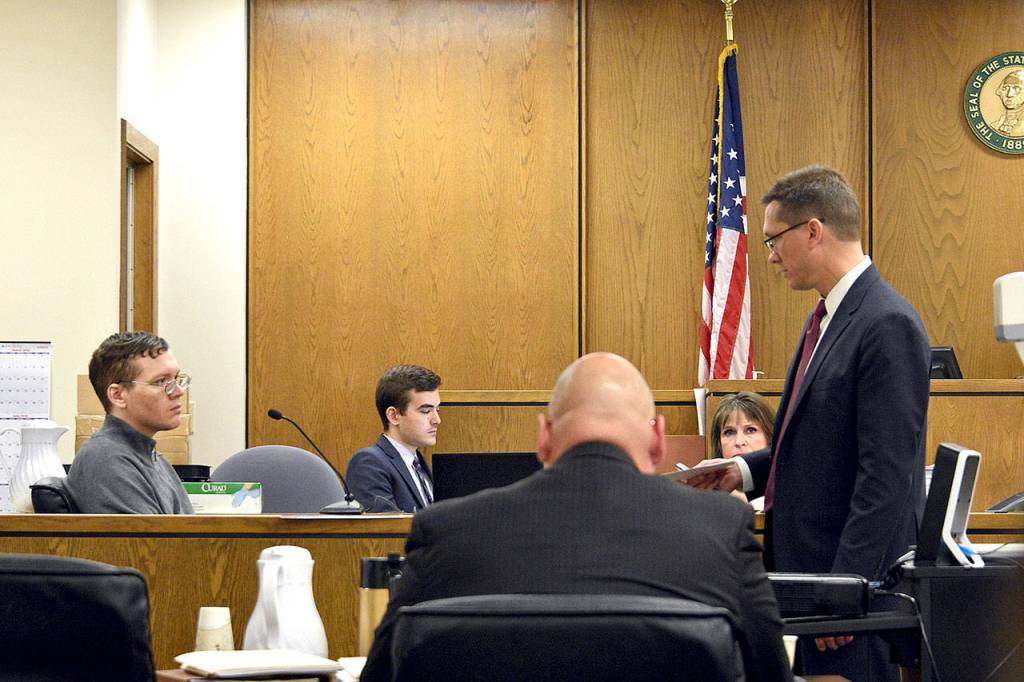
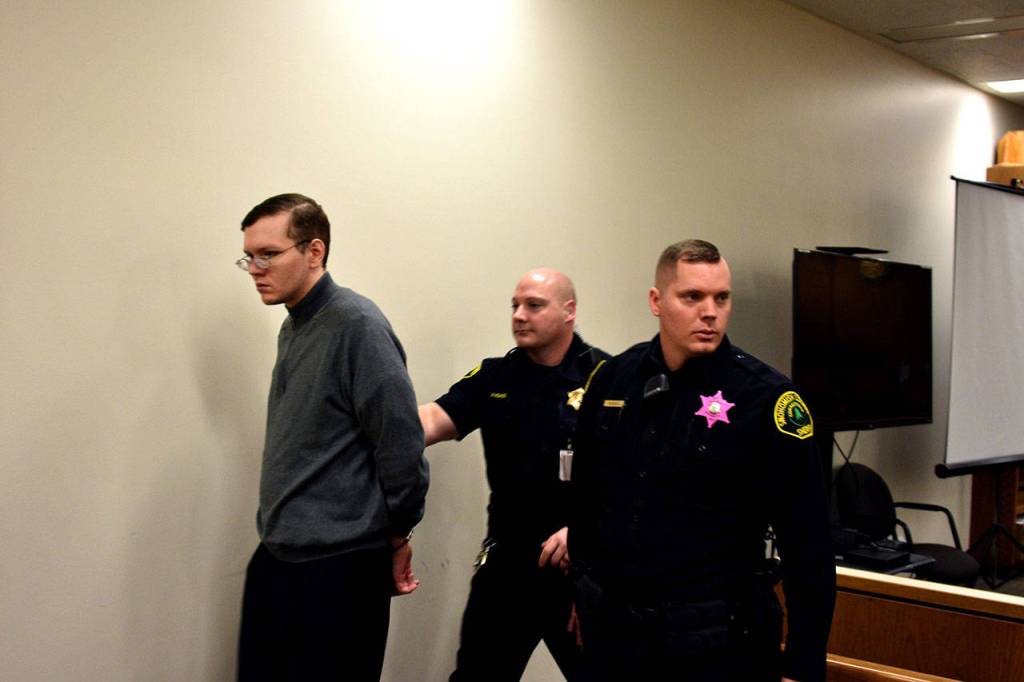
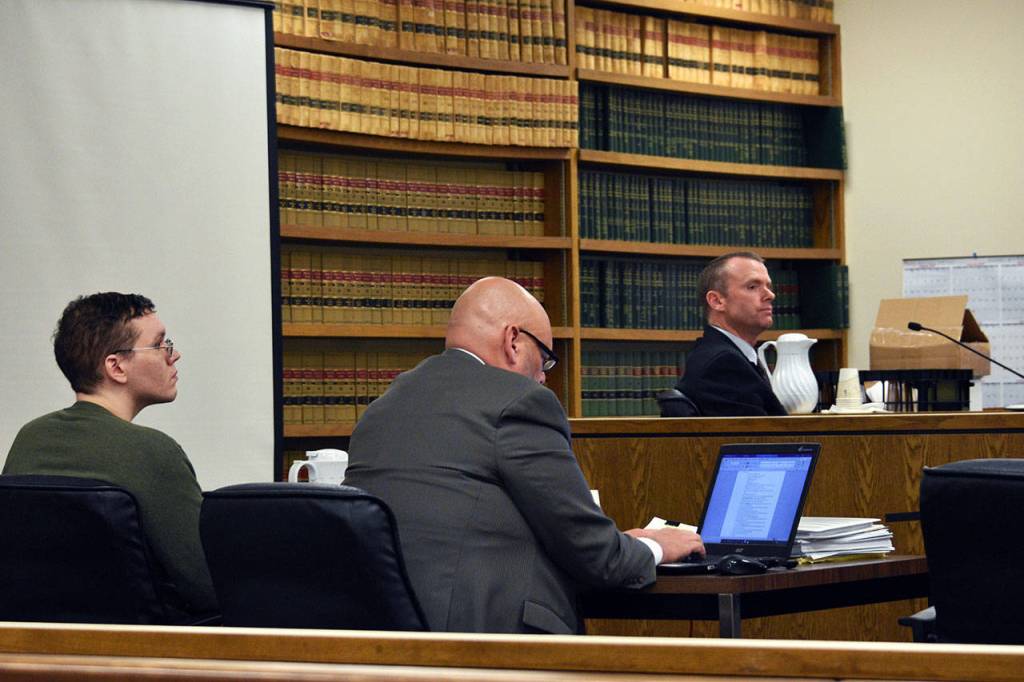







EVERETT — Anthony Garver took the witness stand in his murder trial Friday, to assert his innocence in the brutal stabbing death of a young Lake Stevens woman.
Garver, 31, is accused of binding Phillipa Evans-Lopez’s limbs with electrical cords, gagging her and stabbing her more than 20 times, on a bed at her boyfriend’s rented home. On Friday, he denied having any part in the crime. It was the first time Garver has told his side of the story in court, and the gallery filled with people as word spread that he had chosen to testify.
“Are you a little nervous this morning?” defense attorney Jon Scott began.
“Do I sound like it?” Garver said.
“I’m just asking.”
“No,” the defendant said calmly.
Garver has a history of schizophrenia and other psychiatric issues. Before he met Evans-Lopez, he’d been committed to an institution and served federal prison time for possessing ammunition for an AK-47. In 2016, he escaped a state mental hospital in Pierce County and took a bus to his hometown of Spokane, launching a massive manhunt.
The murder trial was delayed years due to judges’ concerns over his ability to assist in his defense.
A Snohomish County Superior Court judge found him competent in July. The bench trial for first-degree murder opened in early October.
Questioning by the defense lasted 15 minutes Friday morning. On the stand, Garver said he first ran into Evans-Lopez at a bus stop months before she died, soon after he traveled to Everett.
“Did you kill Phillipa Evans-Lopez?” Scott asked.
“I did not,” Garver answered quickly.
“Did you stab her?”
“I did not.”
”Did you harm her in any way?”
“I did not.”
“What did you think of Ms. Evans-Lopez?”
“She was a nice person.”
“Was she nice to you?”
“She was.”
At some point in weeks before she was found dead, she gave him a folding knife with a blue star-shaped hinge, Garver testified. That knife was found in Garver’s pocket at the time of his arrest on July 2, 2013. Forensic tests later showed Evans-Lopez’s blood was stuck in the knife grooves. The defense attorney argued, in a closing statement, that the sample may have been contaminated while the state crime lab tested different pieces of evidence from the case. Prosecutors believe the knife was the murder weapon, or at least one of the weapons.
Security cameras showed Garver and Evans-Lopez together in the early morning June 14, 2013, at a McDonald’s in Everett around midnight, shopping at a Walmart for two hours starting around 4 a.m., and at a McDonald’s in Lake Stevens around 7:30 a.m.
A state crime lab later found Garver’s semen had been recovered in swabs of Lopez-Evans’ body. Garver testified that before going to Walmart, they stopped at a house on Evergreen Way where Evans-Lopez used meth. According to Garver, she said he must think she’s a bad person for doing drugs, and he told her no, that she seemed nice — and then they hugged, kissed and had sex in the Evergreen house.
In a closing argument, the deputy prosecutor Matt Hunter said the more logical explanation was that they had sexual contact in a second bedroom of the Lake Stevens home, where the victim’s blood and Garver’s DNA were found.
After his arrest in 2013, Garver agreed to a 2½-hour recorded interview with a sheriff’s detective, where he claimed at first he’d never seen the Lake Stevens house, then after being confronted with evidence that he had, he changed his story to say he’d gone inside and helped Evans-Lopez to move things around. He testified Friday he regretted that interview because he’d lied about everything, even his name.
“I was deriving information,” Garver said, “to facilitate my lie in process, and processing the lie.”
He did that, he said, to keep from going to prison for violating probation in the ammunition case.
“Would you say the ammo issue was a bigger deal than murder, or a smaller deal than murder?” deputy prosecutor Matt Hunter asked in cross-examination.
“It was something that I shouldn’t have worried about so much,” Garver said.
“Would you agree it’s not as big a deal as murder?”
“Uh,” he said. “Obviously.”
“But it was a big enough deal to lie about, to keep yourself out of trouble, correct?”
“Yeah, I didn’t want to go to prison,” Garver said.
“So wouldn’t you agree there’s more incentive to lie, to keep yourself out of trouble for murder?”
“Except there’s no reason for me to lie, because I’m innocent,” he said.
Garver acknowledged Friday he’d gone inside the Lake Stevens house, but denied going upstairs, where the body was later discovered. The prosecutor asked Garver to explain how his DNA ended up on one of the cords used to tie Evans-Lopez.
He said his attorney could explain it. It could’ve been transferred from one item to another.
“Like it was already on her body, or something like that — I’m not sure how he said it,” Garver said.
Hunter pressed Garver to explain what he meant by his DNA being transferred.
“What did you touch that possibly could’ve touched those cords?” the prosecutor asked.
“I don’t remember touching those cords,” Garver said.
“What did you touch that possibly could’ve touched the carpet in the other bedroom?”
“I don’t know of anything that I touched that had that consequence,” he said.
Garver testified that before he returned to Everett, Evans-Lopez gave him ammunition from inside the home. He wanted it, he said, because it made him feel safe. He said she gave him a laptop, too, because she thought Garver could help her to hack gift cards.
Search history on Garver’s electronics showed he’d looked up how to kill oneself by slitting one’s throat. He testified that he was researching how to harm himself, not others.
At the crime scene, blood spatter covered the walls 5 feet from the bed, suggesting a vicious attack.
Evans-Lopez was 20.
In closing arguments, the defense argued the knife wounds in the body were more than 4 inches deep, while the blade in Garver’s pocket was less than 3 inches.
Also, the defense noted that Garver wore the same hoodie all the time, and there was no sign of blood on his clothing when detectives caught up to the suspect weeks later at the same McDonald’s in Everett.
“There is no reason for him to kill her in this brutal, terrible fashion,” Scott said in his closing argument. “What do we know about Anthony Garver?”
He was known to be polite and reserved, Scott said.
Investigators recovered a pair of Garver’s jeans. The belt loops had been tied together with coaxial cables, in knots like the ones used to bind the young woman.
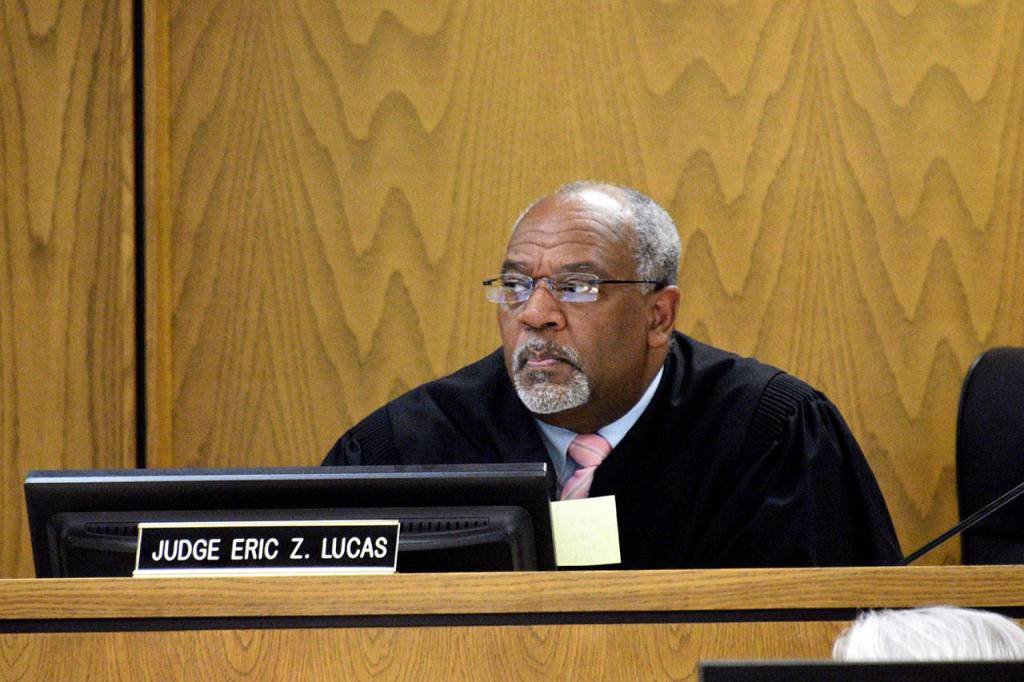
Judge Eric Lucas has taken hundreds of pages of notes in the case, he said. He expects to announce a verdict Tuesday afternoon.
Caleb Hutton: 425-339-3454; chutton@heraldnet.com. Twitter: @snocaleb.