‘I did get better’: Program helped Everett mother reunite her family
Published 6:30 am Saturday, February 17, 2024


EVERETT — For a long time, Ashley Kozachenko’s life was about survival.
Kozachenko, 36, spent much of her childhood in foster care in Oregon. Police removed her and her brother from one of the homes because of abuse, she said.
She went to two more foster homes before moving to Seattle to live with her birth mom.
In Washington, Kozachenko dropped out of high school in 11th grade.
“I had a lot of anger inside me” from the abuse and lack of stability, she said.
She lived with her birth mom for about four months, then “bounced around a lot,” she said. At 21, she gave birth to her first son.
In her mid-20s, Kozachenko wound up in the hospital for a major surgery. There, she was put on Dilaudid and fentanyl to manage pain as she recovered. After she checked herself out, her doctor continued prescribing oxycodone for more than two years.
Without the pills, Kozachenko would feel sick, a symptom she assumed was lingering pain from the operation.
She thought she was doing what the doctors told her to do.
“I was very naive,” she said.
When her doctor abruptly stopped prescribing the drug, Kozachenko started buying pills on the street. But they were expensive, up to $2 a milligram. Kozachenko was used to taking 30 milligrams every two to four hours.
After a while, the pain pills turned to heroin. During her addiction, Kozachenko also used meth and Xanax.
She and her son quickly became homeless. They lived in a house under construction, couch-surfed and stayed in “countless motels, abandoned homes and cold garages.” Later, they lived in her car.
When her son was 8 years old, authorities took him away. He was placed into foster care, then went to live with his dad.
“Nobody told me what to do” when he was taken, Kozachenko said. She fell further into her addiction. Her son was her “reason for living and surviving.”
“I had nothing to live for,” she said.
Kozachenko finally got treatment when she was pregnant with her second child. A social worker helped her apply for insurance during a hospital visit for abscesses caused by heroin use.
By that point, she had met her current partner. They have now been together 10 years.
She entered an addiction recovery program for pregnant women at Swedish Health Services twice. The first time was during that pregnancy. After a relapse, she went back during a subsequent pregnancy. Thanks to Catholic Community Services, she and her partner got housing.
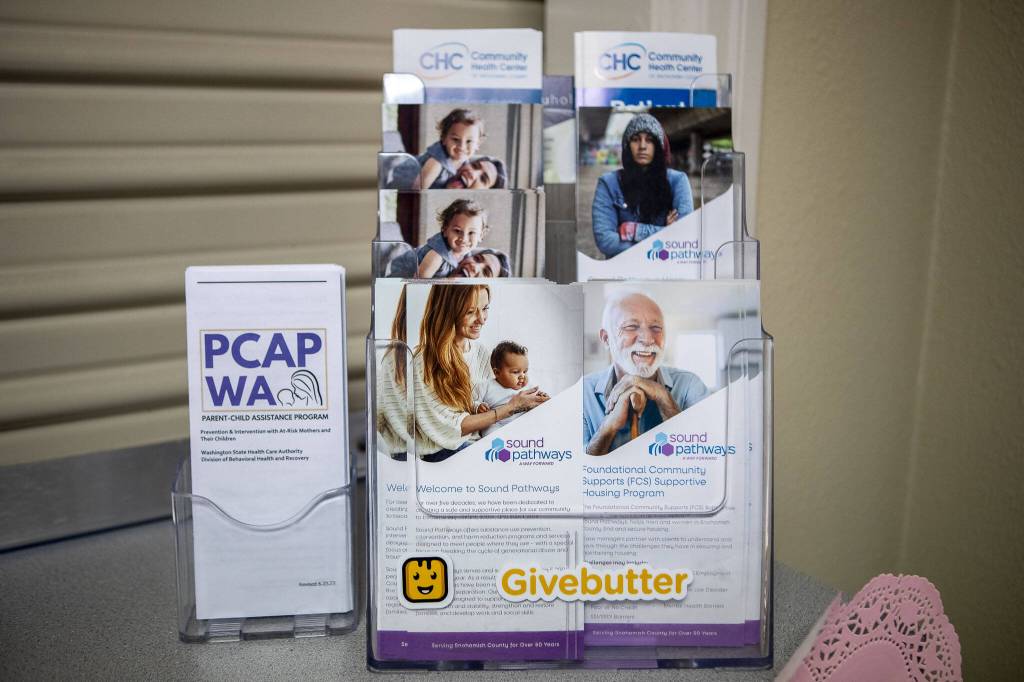
In January 2020, Kozachenko enrolled in the University of Washington’s Parent-Child Assistance Program. She found out about the program while in treatment at Swedish. It’s designed for mothers who abuse drugs during pregnancy. Women can be eligible for the program for two years after giving birth.
After lockdown began, “I just stopped hearing anything from PCAP, really,” she said.
Her case managers switched a number of times. Different managers reached out more than others.
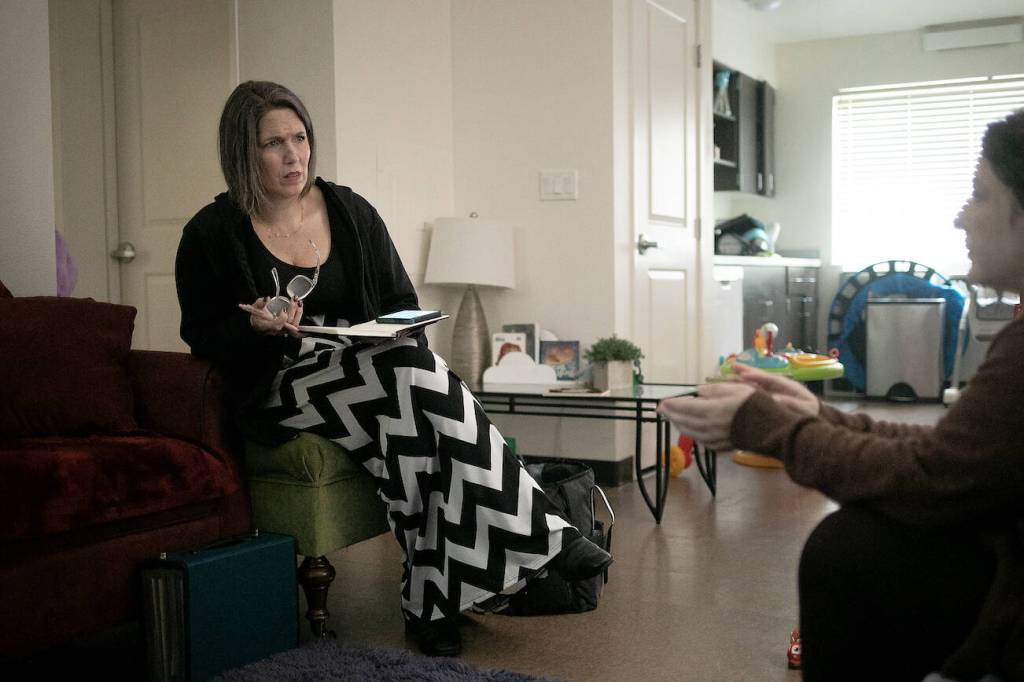
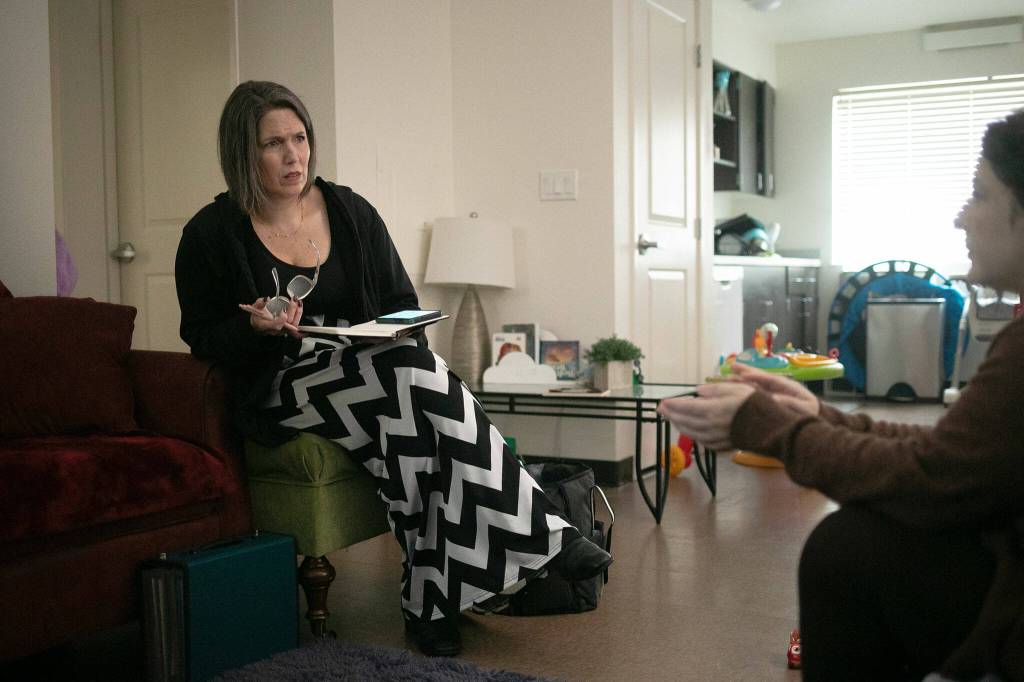
Everything changed when Jennifer Ross took her on as a client.
Before Ross, Kozachenko had only had two or three visits with her oldest son.
“She made a couple phone calls to his biological dad,” she said. “And next thing I know, his dad was calling me and working out a visiting plan.”
Her oldest son has now stayed with her for weeks at a time. Talking about it makes Kozachenko choke up.
“I can’t even tell you how much it meant to me to sleep under the roof with all three of my babies,” Kozachenko said. “It was such a healing and beautiful moment for me. And (Ross) helped make that possible.”
Ross offered other support. Kozachenko and her partner had accumulated tens of thousands of dollars in debt from tickets while living in their car. Ross gave them advice about where to go from there and helped them contact courthouses and collection agencies to ask them to reduce the cost. They ended up getting a few thousand dollars shaved off their debt.
Ross gave Kozachenko encouragement she’d been lacking up to that point.
“She’s never treated me like that drug addict,” Kozachenko said. “She’s always, from the day I met her, made me feel like I’m a human being.”
Even though Kozachenko’s now graduated from the three-year program, Ross stays in touch. She continues to give advice and emotional support through new issues that have come up.
Kozachenko is proud of how far she and her family have come. They now live in a house in the Silver Firs neighborhood south of Everett.
Ross has “helped me see that I have done this,” Kozachenko said. “I’m the one that chose to get better. And I did get better.”
Sophia Gates: 425-339-3035; sophia.gates@heraldnet.com; Twitter: @SophiaSGates.