New hydrogen, electric buses get trial run in Snohomish County
Published 1:30 pm Friday, May 17, 2024
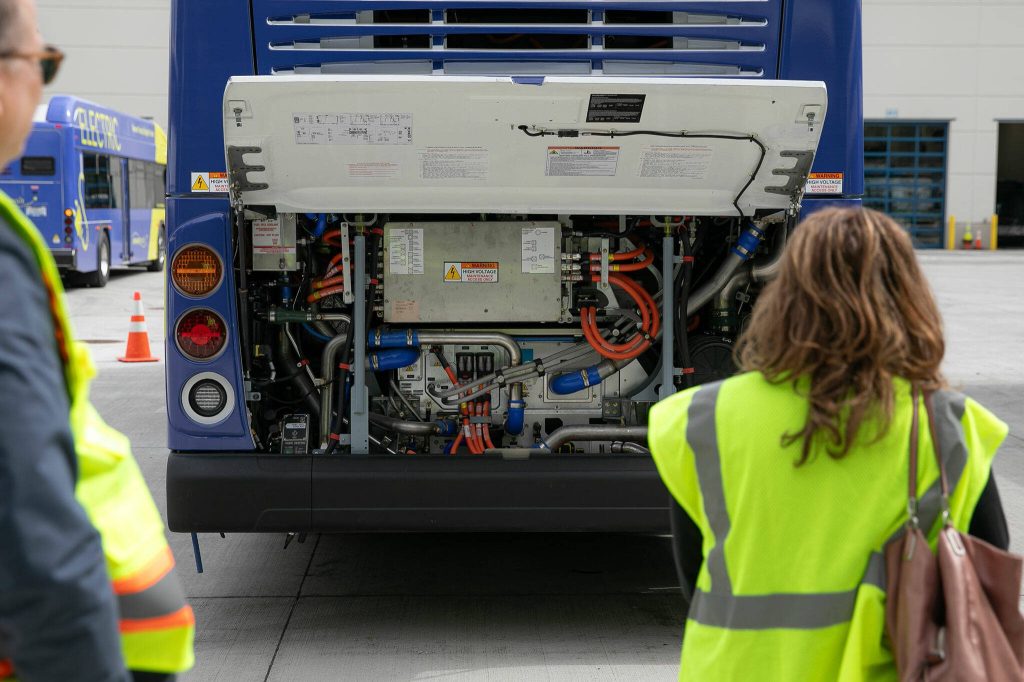
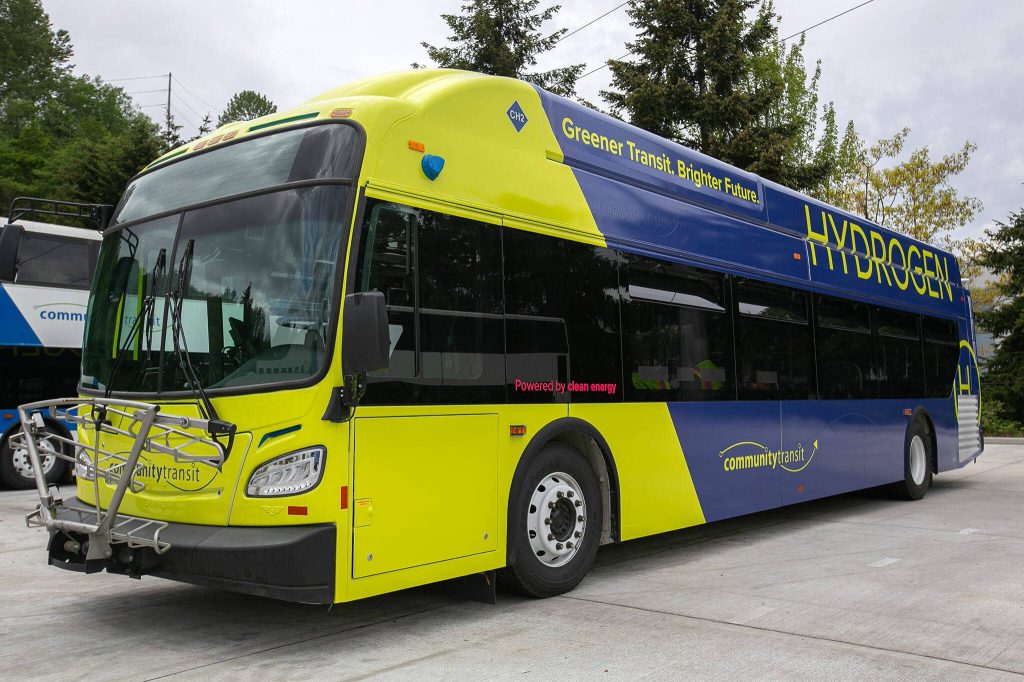


EVERETT — The future of public transit in Snohomish County doesn’t smell like diesel.
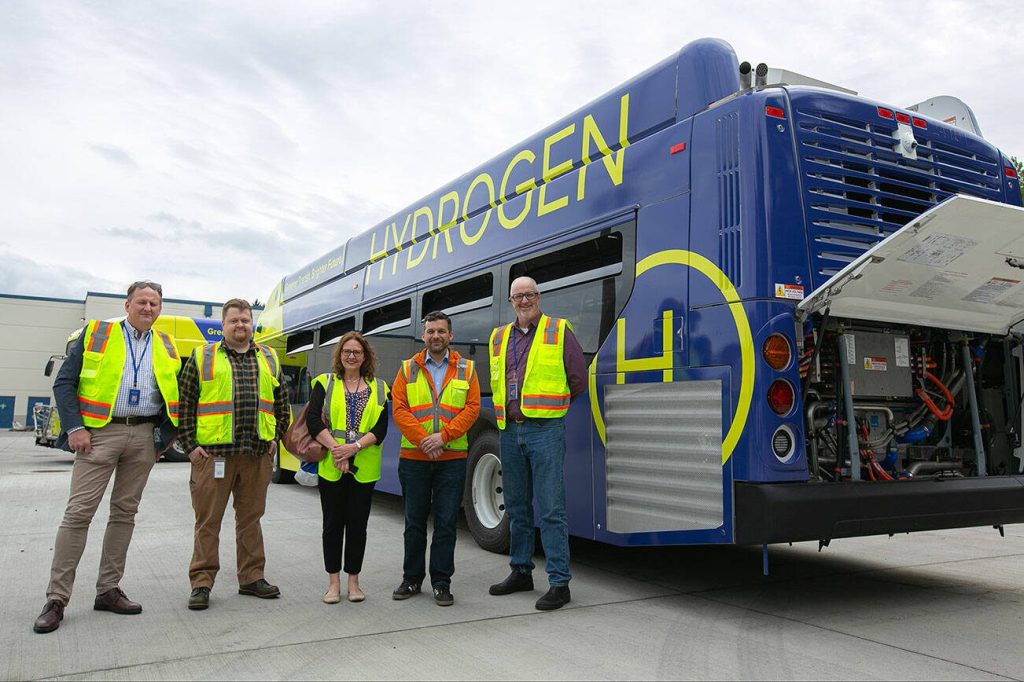
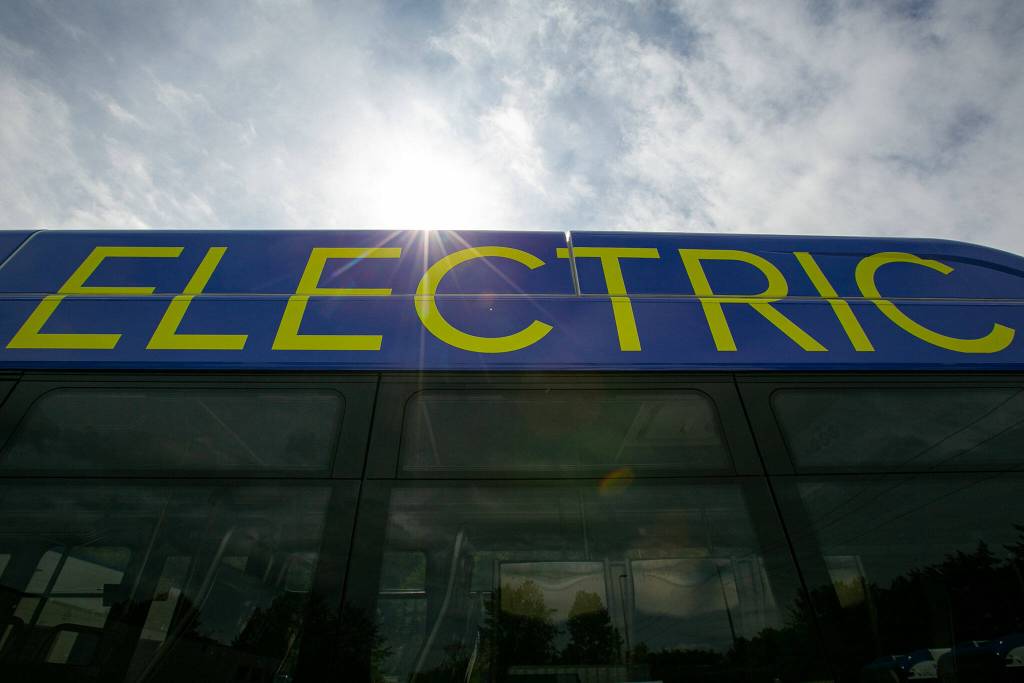
It doesn’t smell like anything, really, unless you count fresh air. Starting this summer, Community Transit will test two options for zero-emission buses. The transit agency recently bought two 40-foot buses, each sporting splashy new colors: one electric for $1.1 million, and one powered by hydrogen for $1.3 million.
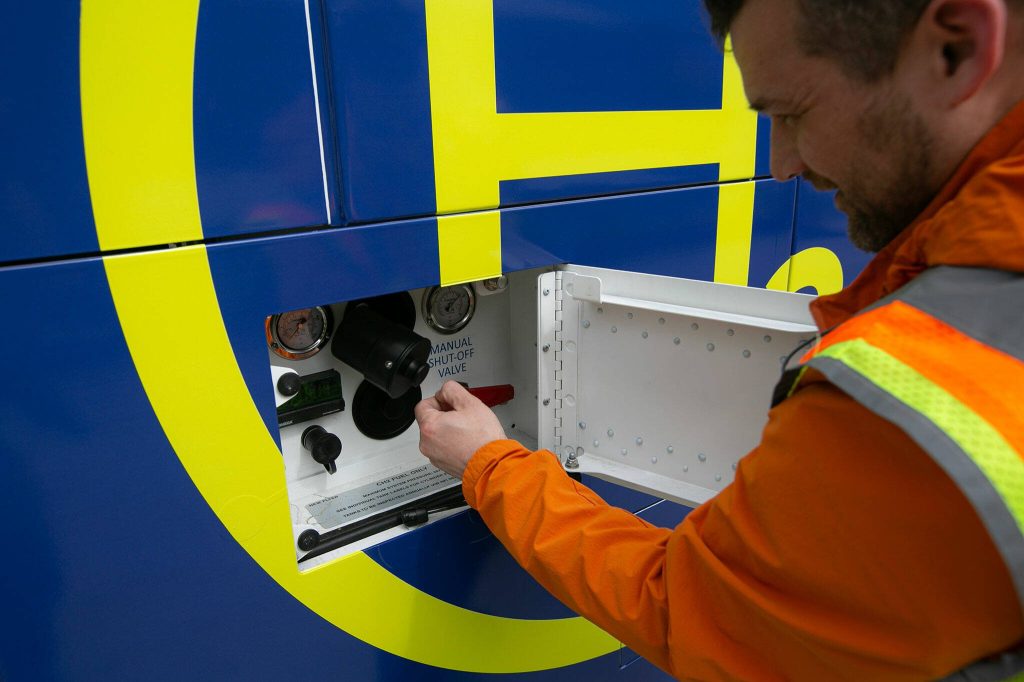
The hydrogen-powered bus is the Puget Sound region’s first. Both buses are part of the agency’s new Zero Emission Fleet Transition project.
Community Transit’s budget includes $65.6 million for 19 hydrogen and 40 electric buses by 2027. The projected cost for the buses and infrastructure is $158 million by 2029, with a full switch to zero-emission vehicles estimated at $1.4 billion by 2050.
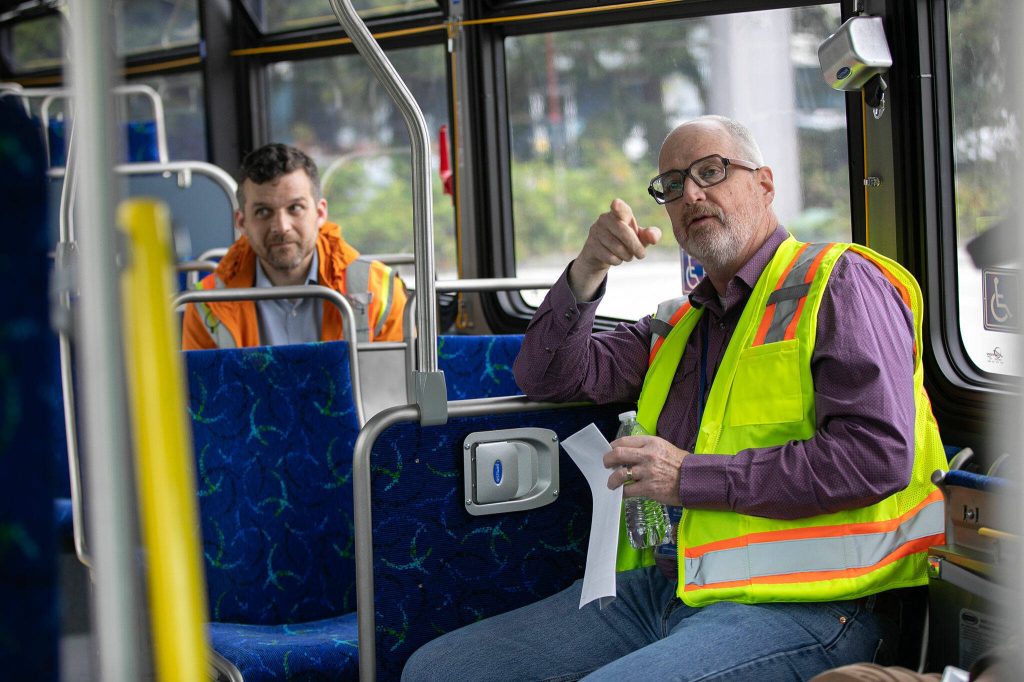
“We’re out front, and we’re proud of that,” Community Transit CEO Ric Ilgenfritz said as he sat on the new hydrogen bus this week. “And we think we have an opportunity to show the way.”
Community Transit gave The Daily Herald an early look at the two new buses. Customers will likely see the electric bus on routes starting in July and the hydrogen bus in October. Other transit agencies in the area, including Community Transit, currently use hybrid-electric buses.
Right now, they have a certain new-bus smell, minus the diesel.
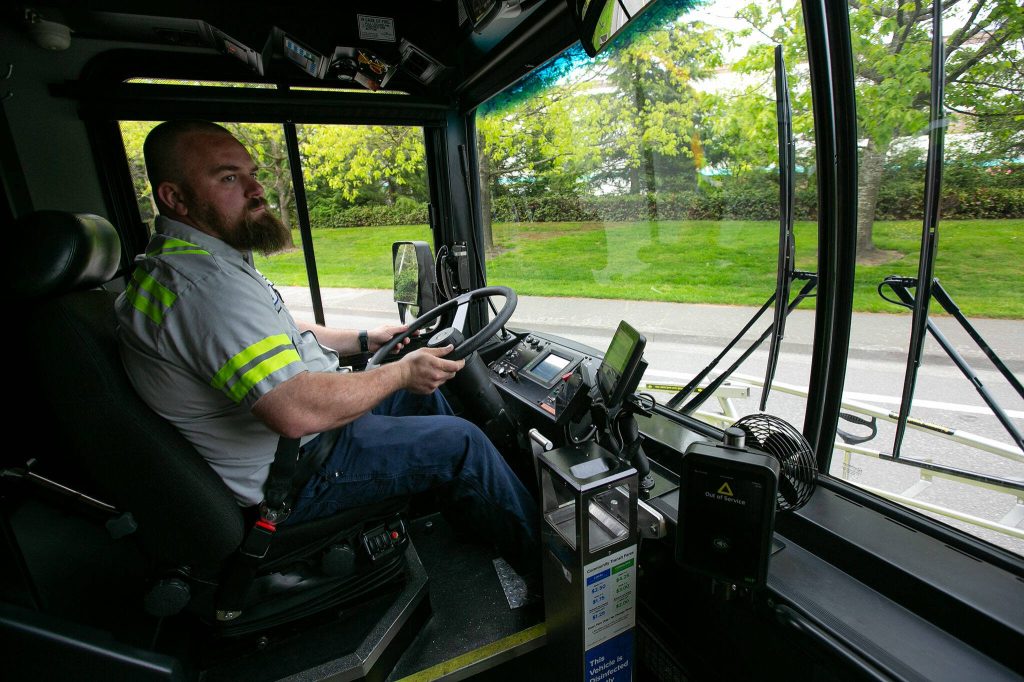
The ride is quiet with no hard gear shifts. The physiological benefits include “less headaches and less ear fatigue,” said Jay Heim, program manager for Community Transit’s Zero Emission project.
The electric buses are also fitted with proximity chargers — similar to the wireless charging technology available for many new cell phones.
Community Transit will compile data on performance in different conditions and on different routes.
“The hydrogen presumption here is that it will be a little better for longer routes, some of what we consider the hard-to-decarbonize blocks that we have,” Heim said, “whereas the battery bus will be great for kind of the local bus service, moving shorter rounds back and forth.”
Phasing out diesel
Like other public transit agencies across the nation, Community Transit is looking to transition away from fossil fuels.
Almost 75% of Snohomish County’s energy comes from hydropower, with wind, solar and nuclear making up another 20%. In total, about 97% of Snohomish County Public Utility District power is carbon-free.
With most local power coming from renewable or clean sources, electric buses could approach zero emissions from start to finish.
If the pilot program this year is successful, Community Transit will begin phasing out diesel buses as they reach the end of their lifespans. The ratio of electric versus hydrogen buses will depend on how the program goes.
Zero-emission buses are expected to make up about 30% of Community Transit’s fleet by 2030. At that point, the agency’s board of directors will have to decide on “committing the rest of the way,” Ilgenfritz said.
“We’re not going to accelerate that procurement process and put ourselves in a position where we’d be surplussing vehicles that still have plenty of life left,” he added.
Electric buses generally have shorter ranges and charging them at scale will take coordination with multiple agencies. Snohomish County PUD has been a key player in the project, working closely over the last two years with Community Transit, PUD spokesperson Aaron Swaney wrote in an email.
“Large grid expansion projects can take years to complete, so it’s imperative that we work closely with customers who are expanding electric operations,” Swaney wrote.
Community Transit also commissioned its own study on the impact electrification would have on the PUD. By 2034, the utility estimates it will add 100 average megawatts to its current load due to electric transportation. Its current output is 800 megawatts.
Essentially, the PUD is going to be asked to provide a lot more energy.
“It’s worth noting that meeting future demand is not just about new power sources,” Swaney wrote. “For the PUD it’s also about using existing power sources more efficiently.”
‘We need high reliability’
Basic charging electric systems are common and well-established pieces of technology.
Hydrogen buses, meanwhile, have longer range, but sourcing fuel is an issue. Gillig all-electric buses have a range of between 150 and 250 miles. New Flyer, the company that built the hydrogen powered bus, states it can go almost 400 miles in between refueling. The agency will have to truck hydrogen in from out-of-state until a local source becomes available.
Hydrogen fuel cells are a lot like a battery, but do not need recharging. Hydrogen is fed into the fuel cells from one side, while air is fed into the other side. This produces power. The byproduct is water. The cells produce energy as long as hydrogen is supplied.
Local hydrogen fuel production got a $1 billion investment in the form of Regional Clean Hydrogen Hub funding in 2023 from the federal government. Federal officials chose Washington, Oregon and Montana, collectively known as the Pacific Northwest Hydrogen Hub, as one of seven awardees.
Tentative hydrogen production locations in Washington could be Bellingham, Centralia, East Wenatchee and Kennewick, according to the Pacific Northwest Hydrogen Association.
Having a hydrogen producer nearby would allow Community Transit to purchase fuel locally, cutting down on shipping costs — both in money and carbon production from those trips.
“We’re talking with some partners who are investing in hydrogen in Snohomish County,” Ilgenfritz said. “And we’re going to continue to have those conversations and decide what’s best for us.”
Some bus routes are harder to decarbonize than others, Heim said. For example, heavy vehicles like buses require a lot of energy to go up hills. Community Transit’s service area covers about 1,300 square miles — from Darrington to Shoreline and beyond.
The pilot period will give Community Transit time to plan for what new infrastructure it’ll need, like more electric charging and hydrogen refueling stations. Those stations might be built on existing Community Transit property, but Ilgenfritz said he wouldn’t rule out the need for future property purchases.
Community Transit could also produce hydrogen itself. The agency would not be the first: Champaign-Urbana Mass Transit District in Illinois operates its own hydrogen production station.
“We need high reliability, we need to be able to count on the source of hydrogen to be able to deploy a fleet of these vehicles,” Ilgenfritz said.
Transit officials are not particularly worried about supply chain issues. In fact, demand is exploding.
Community Transit’s Director of Maintenance Mike Swehla said: “These buses are just coming into the market like you wouldn’t believe.”
Jordan Hansen: 425-339-3046; jordan.hansen@heraldnet.com; Twitter: @jordyhansen.