Sound Transit plants trees, funds green projects ahead of Lynnwood opening
Published 6:25 pm Tuesday, August 27, 2024
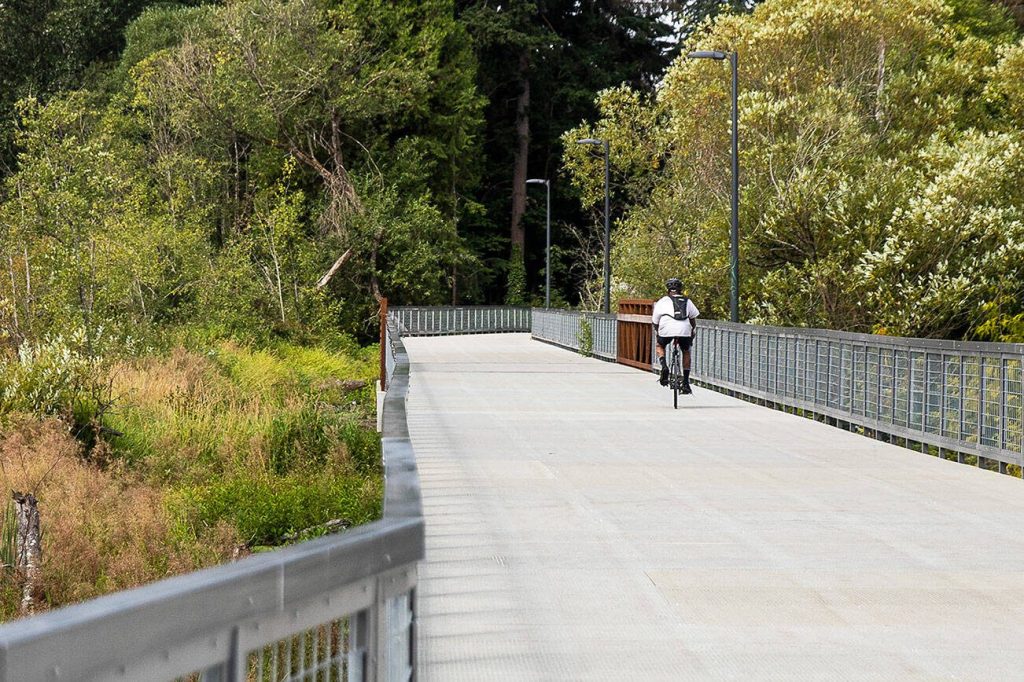
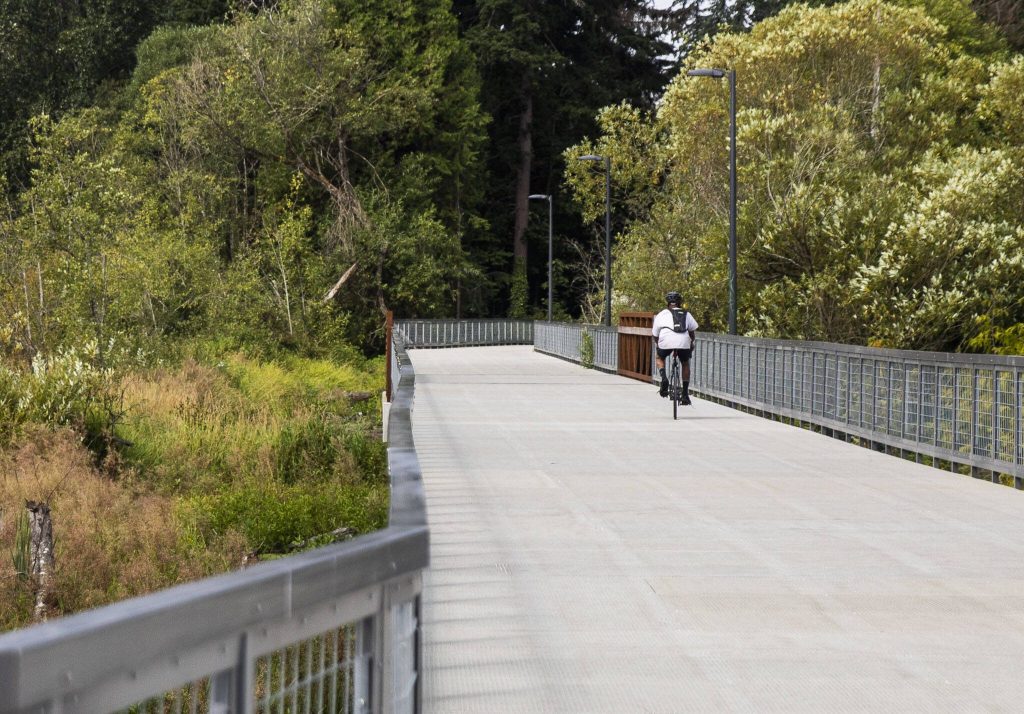
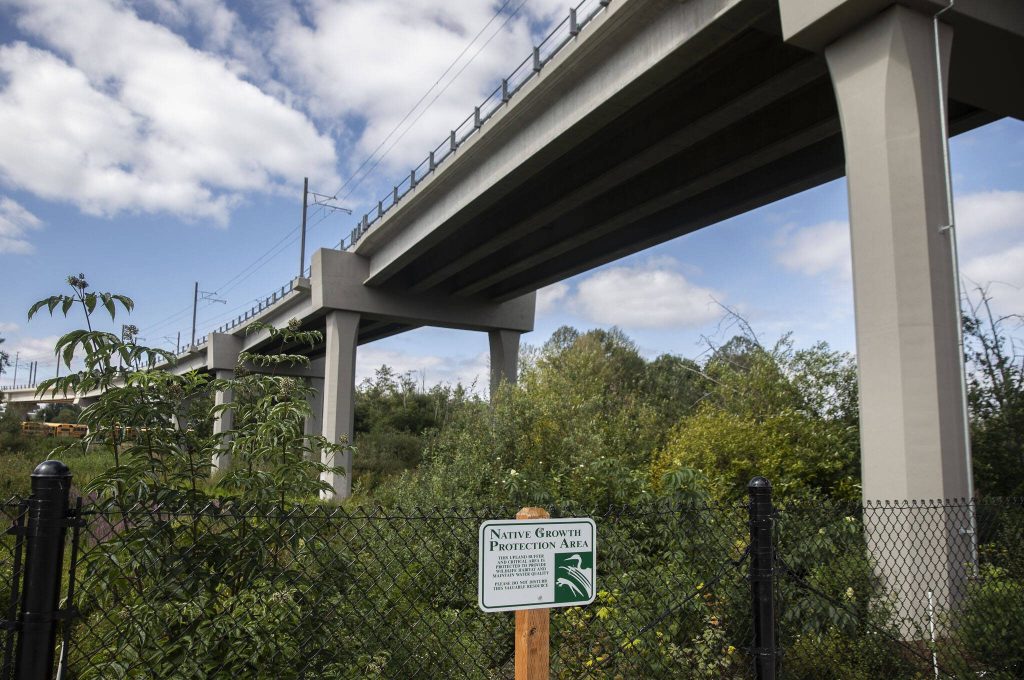
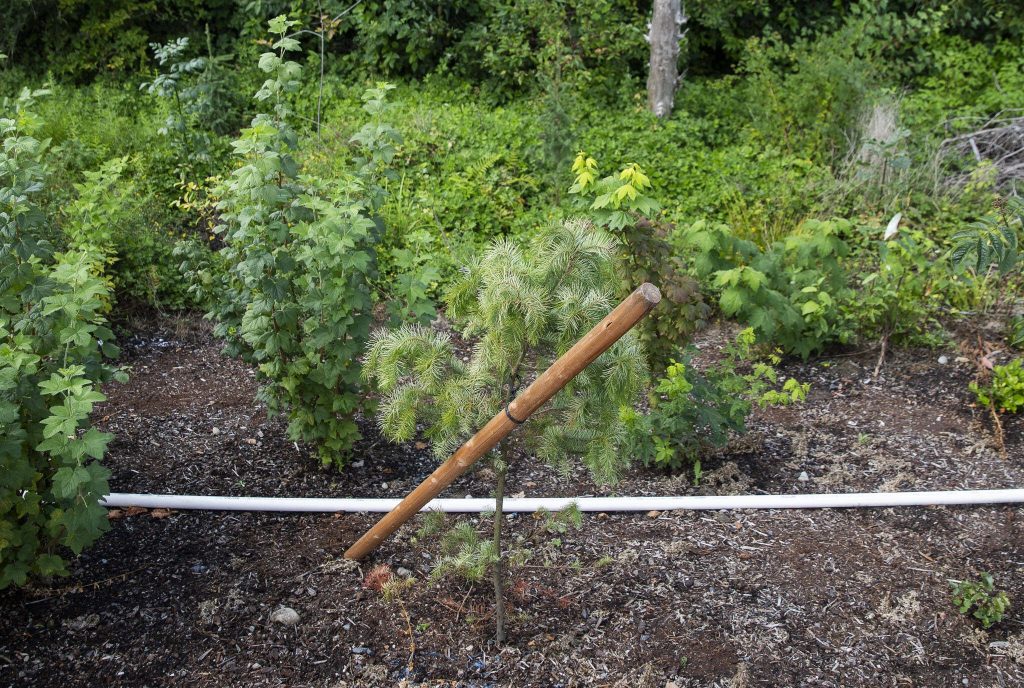
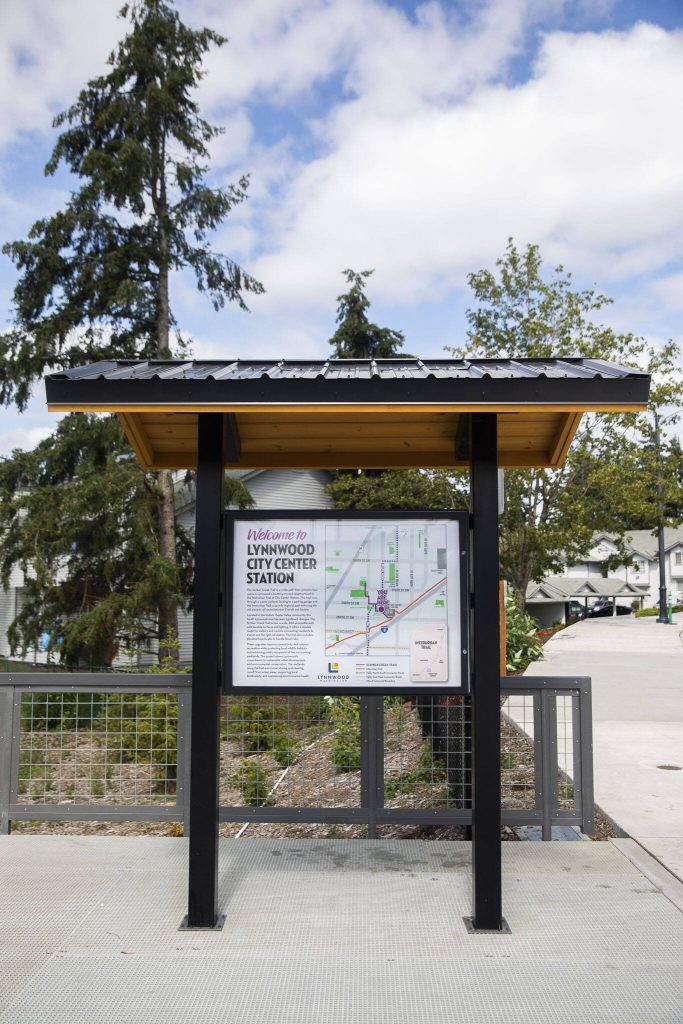


LYNNWOOD — Trees, shrubs and other foliage hug the side of the new light rail tracks along I-5.
They are part of Sound Transit’s push to go as green as possible.
Planted in a 4:1 ratio — four new trees for every one taken down — Sound Transit is looking to be more environmentally friendly and meet resiliency and mitigation goals. In 2019, Sound Transit estimated that works out to about 20,000 trees. The Lynnwood Link begins service Friday.
The foliage, which can also be found around its four new light rail stations, are already standing in many places where Sound Transit has been building. Officials said the agency is committed to caring for them over the next decade. It’s just one of several green projects the agency has undertaken as it expands its service offerings.
It’s hardly easy. Environmental regulations are lengthy in Washington and getting permits can take years. But by virtue of being a public transit agency, much of its work is already green.
“It’s definitely a challenge as we go on, as we’re building in more urban areas, to find sites that we can build on, that we’re not going to be impacting these kind of last remaining wetlands and streams,” said Becki Kviteon, an environmental permitting manager for Sound Transit.
Sound Transit’s sustainability work stretches back decades. The agency first adopted an environmental policy in 2004 and worked to create an industry standard environmental management system to reduce its impact on the natural world.
Long-term goals include carbon-free operations, enhancing ecosystem functions and incorporating climate change resiliency into the agency’s operations. Some of Sound Transit’s newest projects are also its most ambitious, with the Lynnwood Link serving as an opportunity to highlight that work.
One of those projects was Ronald Bog in Shoreline. As part of the Link extension, the city got two light rail stations and a restored wetland.
The bog was mined for peat from 1936 to 1964. It was then filled with leftover trash from the construction of I-5. As part of light rail work, Sound Transit removed thousands of cubic yards of twisted concrete and other trash, allowing it to become a natural flood storage device. The work made the bog a functional wetland again. Invasive plant species were also removed during the light rail construction.
“It’s great from like, a water quality standpoint, from like, getting the runoff and and providing some kind of treatment before it goes into the water,” Kviteon said. “And then it’s also definitely better habitat than invasive species and lawn grass.”
In Lynnwood, Scriber Creek has been a focus for restoration. The Lynnwood City Center Station nearby helped spur work in the neighborhood.
The project was a partnership between the city of Lynnwood and Sound Transit, with the agency committing $5 million. Officials used the money to rebuild a path between the Interurban Trail and the transit center and extend it to nearby neighborhoods.
That money from Sound Transit was considered local, giving the city more flexibility in how to use it, said Monica Thompson, a senior parks planner with the city.
“It was awesome that money wasn’t specific to any phase of the project,” Thompson said. “And I think that was important for us, because if we needed a little more design money, we could use that for acquisition, or to purchase an easement. That money was really fluid for us to use.”
The work near Scriber Creek also included a trestle built to minimize heavy equipment damage to the land and water below from light rail construction. Once that section of light rail was finished, the trestle was removed.
River otters, green herons and osprey have all been sighted around the watershed.
Light rail contractor “Skanska took the environmental protection of that very seriously. So not only their crews, but any subcontractors they had out, they watched like a hawk,” said Rebecca McAndrew, a senior ecosystem specialist with Sound Transit. “I was pleasantly surprised how well it went absolutely because not all projects do things like that and stay in compliance with water quality standards or whatever else is out there.”
As for its tree program, Sound Transit plans to care for the things it has planted for the next 13 years. The Lynnwood extension also brought trees closer to the light rail tracks, or guideway, than Sound Transit has before.
“If you have a big tree next to our guideway, it could easily fall on it. You don’t want that, right?” Kviteon said. “So, as we were trying to figure out how we’re going to replace all these trees, we started looking at, well, are there trees that we could still have under the guideway, so we still provide some habitat and some green space, but that our maintenance staff would also agree would not pose a threat.”
Sound Transit also tracks how much waste from its facilities end up in a landfill and how much is recycled. Water and power usage are closely monitored by the agency. It’s water usage, for example, is down, according to its 2022 Sustainability Progress Report. The plan also documents the monetary savings from sustainability projects, including projects such as solar panels.
Environmental engineering is a fast-growing sector. It takes creativity, too, something conservation nonprofits, state and regional agencies, and local municipalities all are finding out.
For Sound Transit, working in environmentally sensitive areas calls for special work conditions. Often, a big, open metal box sits at the work site. All work has to be done in the box, with the sensitive land — often wetlands or former bogs — left alone.
“We have big projects,” McAndrews said, “and I wouldn’t call them big problems, but we have come with big solutions.”
Jordan Hansen: 425-339-3046; jordan.hansen@heraldnet.com; Twitter: @jordyhansen.