State must fix culverts for salmon passage, court says
Published 6:03 pm Monday, June 27, 2016
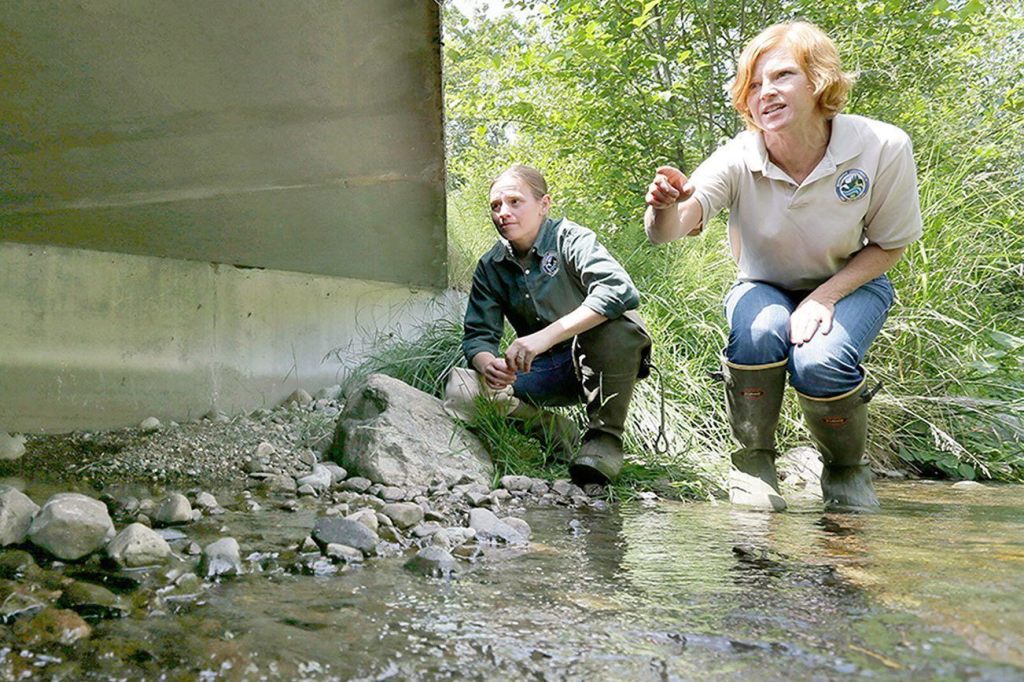
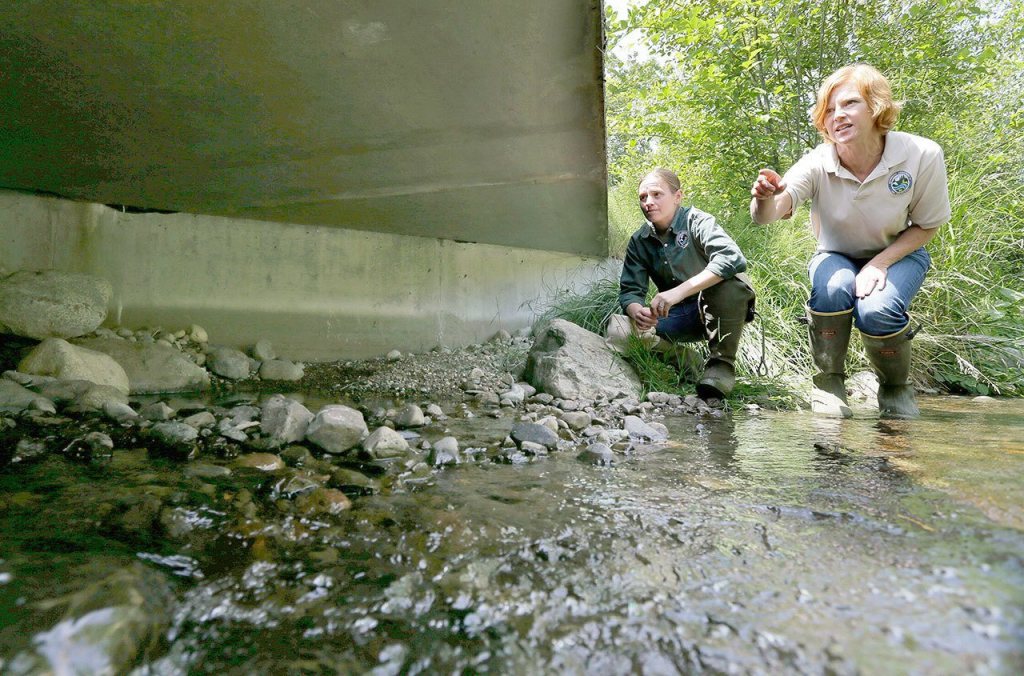


EVERETT — Washington state will have to come up with $2.4 billion to replace hundreds of culverts that impede salmon migration.
On Monday, the U.S. 9th Circuit Court of Appeals upheld a lower court order from 2013. It’s the second major court decision in as many months concerning salmon habitat in the Northwest.
The decision was hailed by tribal leaders in the state.
“Tulalip and other tribes are very happy to see this decision,” said Mel Sheldon Jr., chairman of the Tulalip Tribes, one of the plaintiffs in the case.
“This is not just a tribal issue; yes, it’s a treaty right on salmon fishing and the environment,” Sheldon said.
However, it also ties into other issues that the tribes and state have fought over in recent years, including standards for fish consumption and this year’s breakdown over setting the fishing season, which at their heart focus on environmental degradation.
This case and another recent example in Oregon placed salmon habitat and tribal fishing rights front and center. In May, a federal judge in Portland ruled that a massive habitat restoration effort by the U.S. government doesn’t do nearly enough to improve Northwest salmon runs, and that federal law may require authorities to consider removing four huge dams on the lower Snake River in eastern Washington.
The current action stems from 2001, when 21 tribes and the federal government filed a complaint in U.S. District Court.
The court ruled in 2007 that building and maintaining the culverts caused the salmon runs to decline, violating the state’s obligation under treaties signed with the tribes. That litigation was part of the ongoing fallout from the landmark Boldt Decision, which has governed fisheries issues involving the state, the federal government and 21 Native American tribes.
In 2013, the court issued an injunction requiring the state Department of Transportation to replace all its culverts with more fish-friendly structures that let streams flow unimpeded. The court gave the state 17 years to do it.
The state appealed, arguing that its treaties with the tribes created no obligation to restore salmon habitat.
The state agreed that replacing old culverts was one important part of restoring salmon runs and noted that it had spent hundreds of millions of dollars to fix fish habitat. But the state called the 2013 order too sweeping and expensive, and said it would force the state to focus on fixing culverts even when salmon-restoration dollars could be spent more effectively elsewhere.
A three-judge panel of the U.S. 9th Circuit disagreed unanimously.
“The Indians did not understand the Treaties to promise that they would have access to their usual and accustomed fishing places, but with a qualification that would allow the government to diminish or destroy the fish runs,” Judge William Fletcher wrote for the panel.
Isaac Stevens, who was governor of the Washington Territory at the time the treaties were signed, “did not make … such a cynical and disingenuous promise,” Fletcher wrote.
“This is a great day for salmon, tribal treaty rights and everyone who lives here,” said Lorraine Loomis, chair of the Northwest Indian Fisheries Commission, in a prepared statement.
“Fixing fish-blocking culverts is one of the most cost-effective steps that can be taken to recover salmon,” she said. “This ruling makes clear that our treaty rights include the right to have salmon habitat protected so that there are fish to harvest. That means more salmon for everyone.”
The state transportation department owns 818 culverts that are covered by the ruling in Western Washington. It has been working to make them more fish-friendly as it performs regular road maintenance. The state’s budget for the 2015-2017 biennium includes $87.5 million for fish-passage projects.
That’s less than 4 percent of the estimated $2.4 billion price tag for all 818 culverts.
There are 137 state-owned culverts in Snohomish County, plus an unknown number of culverts under county roads.
Eight county-owned culvert projects are planned to be completed in 2016.
“We do have a list of known problem areas,” County Executive Dave Somers said. He said he’s asked staff to prioritize projects based on their impact to salmon streams. The county repairs its own culverts, alongside road repair.
“It’s something we want to build into our ongoing program so we’re addressing them, but it’s not something we can address overnight either,” Somers said.
A spokeswoman for Gov. Jay Inslee said state agencies and the Attorney General’s office were reviewing the case.
Chris Winters: 425-374-4165; cwinters@heraldnet.com. Twitter: @Chris_At_Herald. The Associated Press contributed to this story.