Suspect in 1984 killing of Judy Weaver arraigned Tuesday
Published 2:51 pm Wednesday, February 4, 2026
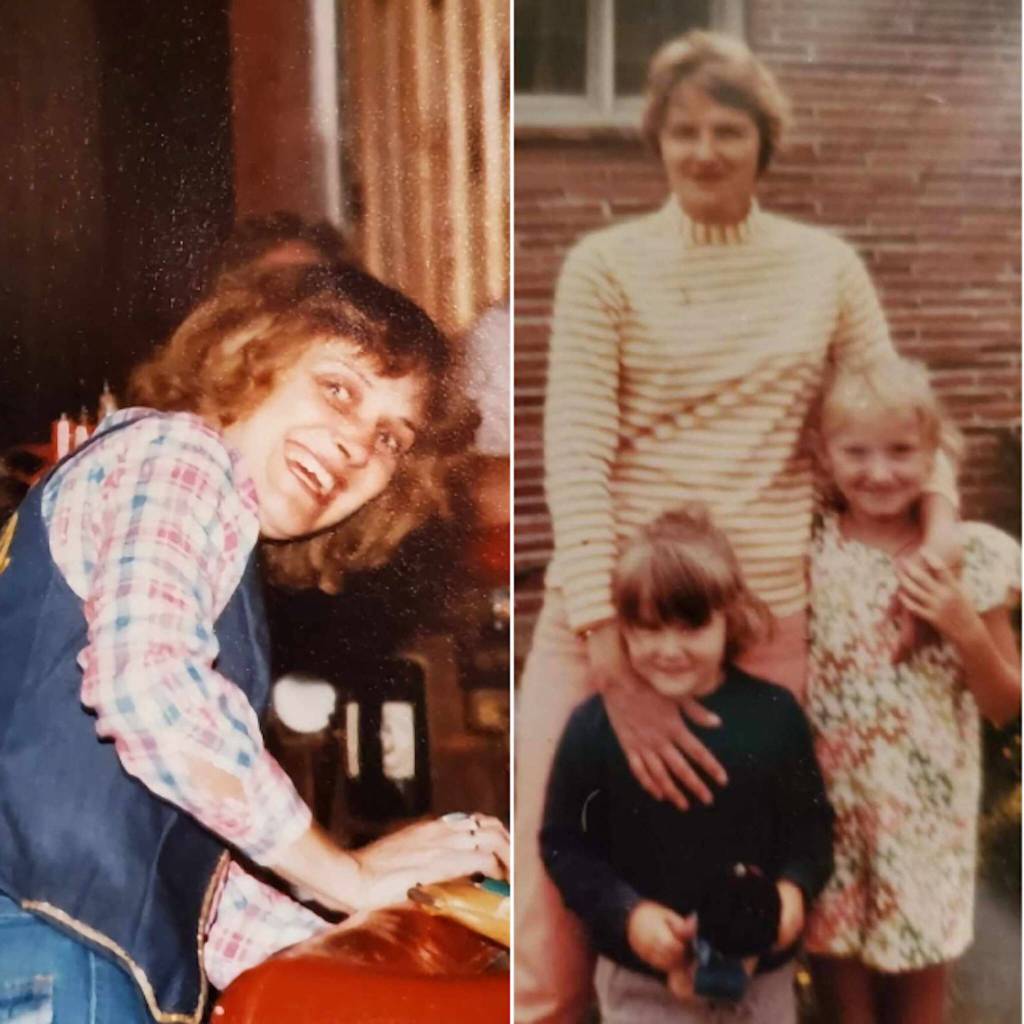
EVERETT — More than four decades after the killing of Judith “Judy” Weaver, a 68-year-old man was arraigned Tuesday in Snohomish County Superior Court on two murder counts in connection with the 1984 case.
Two years ago, undercover detectives posing as representatives from the gum industry asked Mitchell Gaff to participate in a survey on gum flavors. That chewed piece of gum became the last piece of DNA evidence investigators needed to potentially solve the Everett cold case.
Investigators found the Level 3 sex offender in Olympia, where he lived under a legally changed name, Sam Wise Price, according to The Daily Herald’s previous reporting.
In May 2024, prosecutors charged Gaff with aggravated first-degree murder, and days later he pleaded not guilty at his initial arraignment. In January, prosecutors submitted amended information, charging Gaff with first-degree murder in addition to the previous charge, according to court documents.
The aggravated murder count alleges Gaff caused Weaver’s, 42, death with premeditated intent in the course or immediate flight of rape, burglary, kidnapping and arson, court documents said. The first-degree murder count alleges while Gaff committed or attempted to commit rape, burglary, kidnapping and arson, he caused her death.
On June 1, 1984, Weaver, a bar manager at the Bell-Ness Cafe in Everett, had been working since 6 a.m. when she asked the bartender to call her a cab around 9:30 p.m. due to her being too intoxicated to drive, court documents said. When the taxi hadn’t arrived 20 minutes later, she decided to walk.
En route to her Rucker Avenue apartment, Weaver stopped for ice cream at a Dairy Queen, court documents said. A witness reported Weaver appeared to be with a young man at the restaurant. It was the last time anyone saw her alive.
Prosecutors allege Gaff, who was 26 years old at the time, entered Weaver’s apartment to sexually assault and bind her. Ligatures, consisting of draw strings and telephone extension cords, around Weaver’s throat ultimately caused her death, court document said.
At some point, Gaff reportedly removed the batteries from the fire alarm and set fire to the apartment.
Sometime after midnight, a witness walking down Rucker Avenue saw smoke billowing from the apartment, court documents said. He pounded on her door but no one answered.
While firefighters initially entered through an unlocked back door, they had to back out due to heavy smoke, court documents said. Upon re-entry, they discovered the fire was contained to the bedroom, where they found Weaver.
Although DNA was not yet the forensic tool it is today, authorities ordered swabs be taken of Weaver’s remains to preserve DNA evidence, court documents said.
Initially, investigators looked at several potential suspects: Weaver’s boyfriend, a stepson, a business associate, a bar patron she had thrown out and the young man seen at the Dairy Queen. Investigators could connect none of them to the killing, court documents said.
Ten years later, investigators pursued a lead about drugs being trafficked through the Bell-Ness and with money laundering being a potential motivation for Weaver’s killing. The tip lacked information, court documents said.
In 2020, investigators took another look at the case using newly available DNA technology. While saliva taken from the carpet in Weaver’s bedroom found no match in the national DNA database CODIS, it was an apparent match for Weaver’s then-boyfriend, who lived at the apartment, court documents said.
Authorities sent other items in for DNA testing, including the ligatures used to bind Weaver, the court documents said. Three years later, investigators received a DNA report from the crime lab stating DNA in the wrist ligatures turned up a match in CODIS: Mitchell Gaff.
With no evidence Gaff and Weaver knew each other, prosecutors wrote in charging documents that there is no “innocent explanation” for why his DNA was at the crime scene.
Gaff was in CODIS for breaking into the home of two teenage sisters in Everett and raping them the same year Weaver was killed. He was convicted and sentenced in 1985.
Prosecutors moved to legally detain Gaff under the state’s sexual predator law. In 1994 and 2000, juries found Gaff to be a sexually violent predator who could be legally confined to receive treatment, court documents said.
During Gaff’s Sexually Violent Predator trials, he admitted to sexually assaulting numerous others, court documents said. At one point, Gaff was reportedly attempting to attack up to 30 women a day. In a psychological evaluation, Gaff admitted he preferred to disrobe his victims with a knife.
Experts diagnosed him as a “sexual sadist,” court documents said.
For two decades, Gaff was incarcerated at the state’s Special Commitment Center on McNeil Island. In 2006, Gaff moved to a halfway house but was sent back to the center a year later upon the discovery of numerous videotapes featuring depictions of sex, violence and torture in his room.
Gaff had made the tapes using “Girls Gone Wild” infomercials and a cable broadcast of the movie “Saw,” according to The Daily Herald’s previous reporting.
At his arraignment Tuesday, he pleaded not guilty to both counts. A status conference for Gaff is scheduled for March 13, with pre-trial motions set for July.
Jenna Millikan: 425-339-3035; jenna.millikan@heraldnet.com; X: @JennaMillikan