Editorial: 100 percent clean electricity in state achievable
Published 1:30 am Tuesday, February 26, 2019


By The Herald Editorial Board
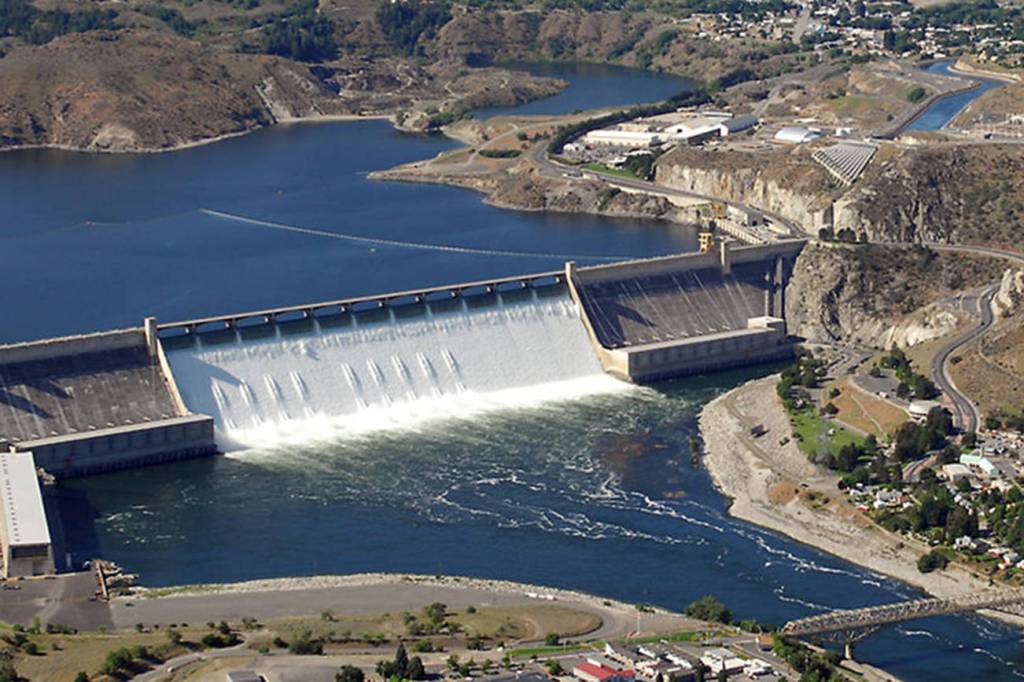
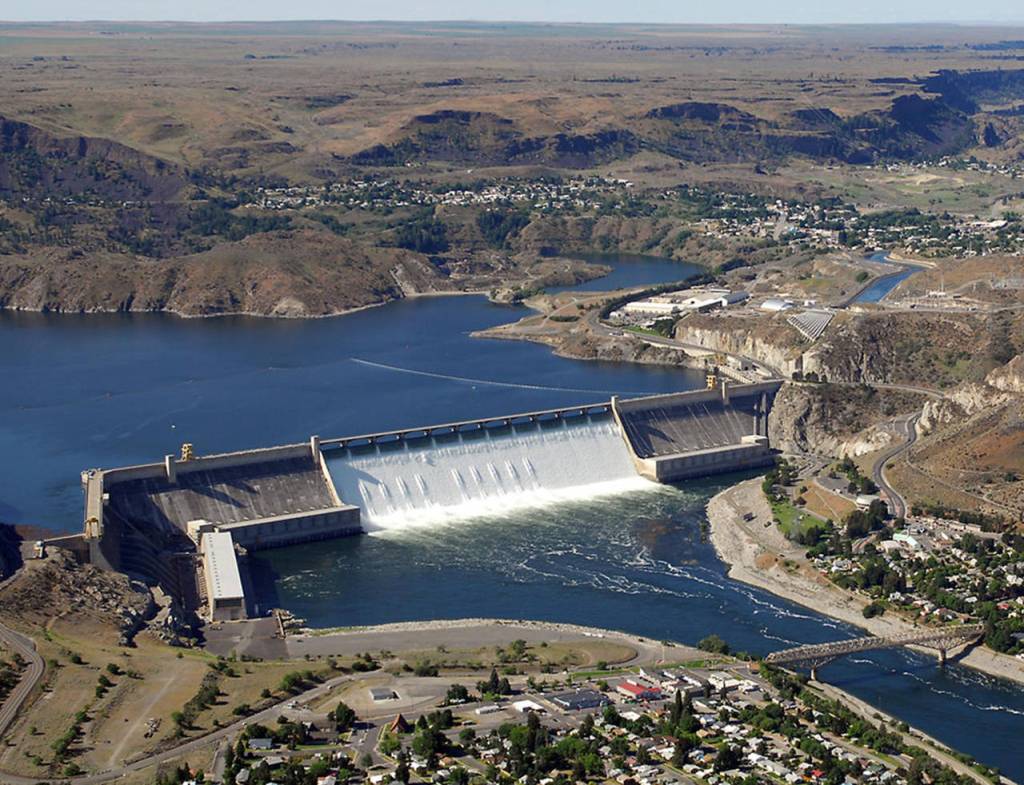
Among our many blessings, Northwest residents can count on hydroelectric power that is abundant, reliable and — of increasing importance — doesn’t generate the carbon dioxide and other greenhouse gases that are contributing to climate change.
For all electric customers in the state, hydropower makes up about 68 percent of the mix of what flows from our outlets when we plug in a lamp, TV or a smartphone, not to mention its importance to commerce and industry, according to 2017 figures from the state Department of Commerce. Still, nearly a quarter of our electricity statewide is generated by fossil fuels: 13 percent at coal-fired power plants and 11 percent from generators running on natural gas.
Legislation in Washington’s House and Senate seeks to put the state’s private and public electric utilities on the path to providing 100 percent of their electricity from renewable, non-carbon-emitting sources in the next 25 years.
House Bill 1211 and Senate Bill 5116 are pushing that goal through a phased-in and achievable schedule. By the end of 2025, utilities could no longer charge customers for electricity generated at coal-fired plants. By Jan. 1, 2030, all retail sales of electricity would have to be greenhouse gas-neutral. And by Jan. 1, 2045, each utility would have to meet 100 percent of its retail electric load from non-emitting and renewable sources.
The public support for 100 percent clean electricity is there. A poll taken in the days after the election failure of Initiative 1631, which would have imposed a fee on carbon emissions, still found strong acceptance that climate change is a threat, as well as support for policies to address it. About 80 percent acknowledged the threat of climate change, while 64 percent supported action to reduce climate pollution. A similar percentage — 65 percent — said they supported a 100 percent clean-energy requirement by 2045. Even among those who viewed I-1631 as flawed, 71 percent of those who voted against the initiative supported the clean electricity policy.
And major customers are demanding it. Snohomish County last week announced that it had set a 2045 deadline to transition to 100 percent “clean, renewable energy” for its government operations, setting that requirement for the energy it purchases from the Snohomish PUD, and taking its own steps to improve energy efficiency, invest in solar panels and build up its fleet of electric vehicles. The same has been done in Edmonds, and also by Spokane, Bellingham and Whatcom County.
Utilities themselves already are moving toward that mark, most notably the Snohomish County Public Utility District, which already is providing power to its 350,000 electric customers that is 98 percent from renewable sources. About 80 percent of the PUD’s power is supplied by the Bonneville Power Administration, the federal agency operating Northwest hydro and nuclear power, with the PUD’s own hydro and biomass projects providing much of the rest.
Other utilities have further to go, but still are within reach of 100 percent. Puget Sound Energy expects to near the 90 percent mark by 2025, with the closing of two of four units of a coal-fired generator in Colstrip, Montana, and the planned 2025 shutdown of the Centralia Power Plant.
It’s important to note that while hydropower is carbon-free and constant, it is not without its own environmental costs. The dams that provide that power are a factor in the decline in salmon stocks on which orca whales and other marine life depend. But there remains hope that the impacts of the Columbia River’s dams can be addressed to allow both plentiful power and salmon.
At hearings for the bills, utilities have largely been the ones to raise concerns about the legislation, in particular about the reliability of the power supply if a fossil-fuel plant can’t be fired up on demand. But the diversity of renewable sources — energy efficiency, nuclear, wind, solar, carbon-neutral biomass — can certainly provide that reliability, if not now fully, then certainly within the next 25 years.
Snohomish PUD’s MESA battery projects are already showing the potential for storing energy for use when the sun isn’t shining or the wind isn’t blowing.
Washington state should make this effort simply because it is within our reach to get all of our electricity from carbon-free and renewable sources. The investments by utilities, public and private — supported through the energy we use and pay for — can help develop the technologies required and make that switch more affordable and achievable across the country.
Provided the blessings of plentiful and clean electricity, we can help others enjoy the same.