Editorial: Hope for public lands in Senate package of bills
Published 1:30 am Friday, February 8, 2019
By The Herald Editorial Board
Now the cleanup — and some atonement for past inaction — can begin.
Days after the end of the 35-day partial government shutdown, during which national parks remained open but were subjected to overflowing restrooms, uncollected garbage and disturbing vandalism, Congress is nearing passage of a package of legislation that will aid in the protection and upkeep of parks and public lands in all 50 states.
Most importantly, the packages includes permanent reauthorization of the Land and Water Conservation Fund, which lapsed for the second time in three years on Sept. 30, after 50 years of continuous bipartisan support.
The Land and Water Conservation Fund, shepherded into law by Everett’s Sen. Henry M. “Scoop” Jackson in 1964, has provided millions of dollars each year to fund the purchase and preservation of public land and water projects throughout the nation, development at national parks and matching grants for park and public lands projects at the state and local level, protecting more than 7 million acres and funding $16.8 billion in projects throughout the nation.
And it has done so without a dollar from taxpayers; the program is supported entirely through royalties paid by the oil and gas industry for offshore leases.
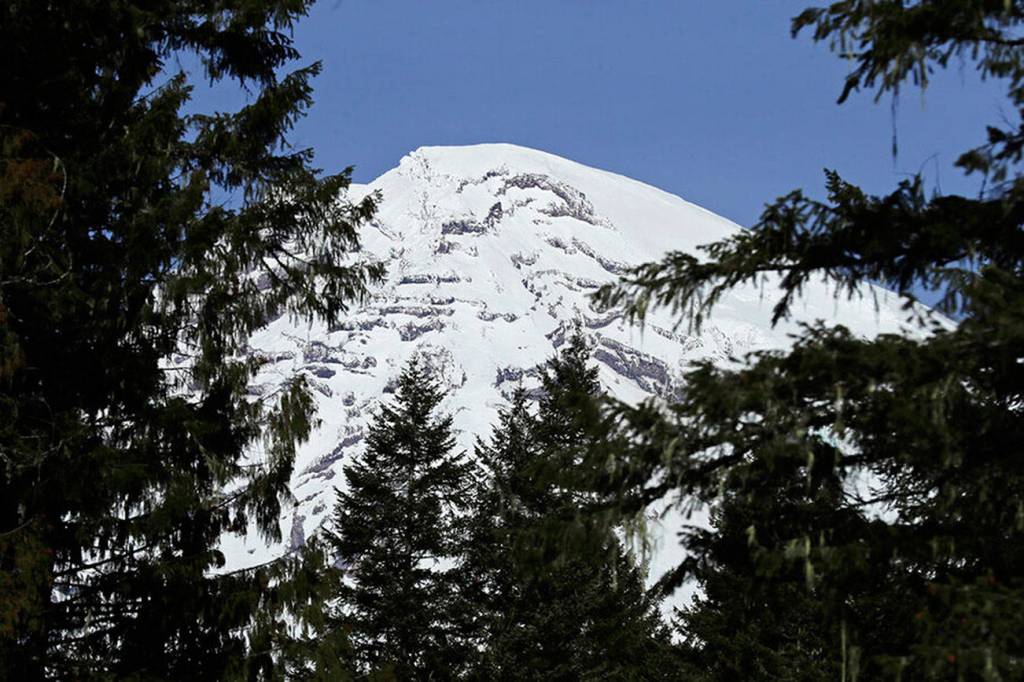
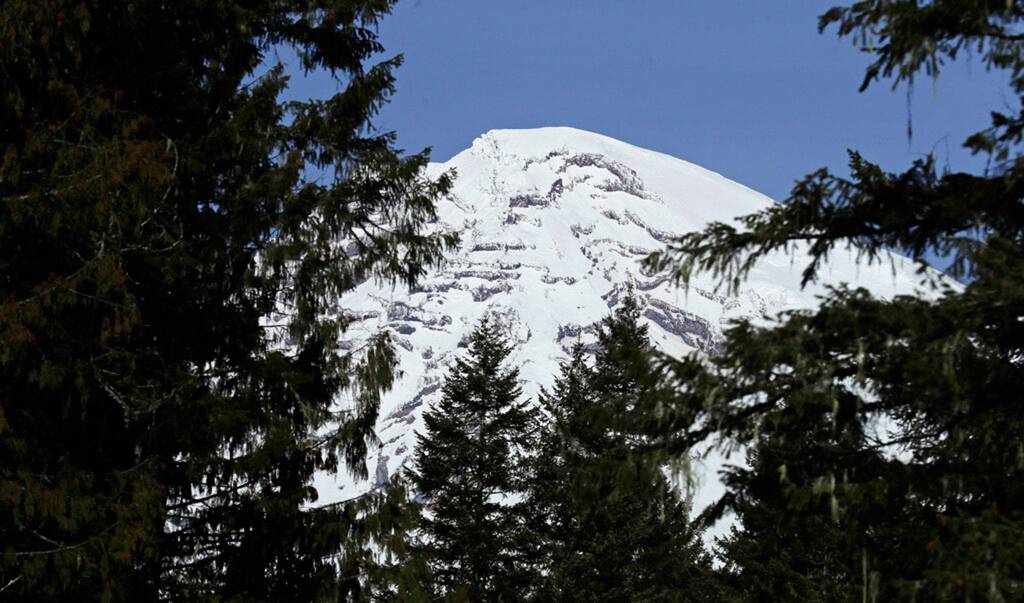
In Washington state, the fund has invested more than $637 million since its inception to expand and protect the expansive Rainier, Olympic and North Cascades national parks and smaller preserves and parks closer to home such as Bothell’s North Creek Forest, a 63-acre forestland that provides a green oasis for surrounding residential neighborhoods.
A key provision of the bill authorizing the LWCF is its permanence; although funding will continue to be considered separately in budgets, the fund will no longer have to come up for periodic renewal, a provision that has been sought by many in Washington state’s congressional delegation, including by Sens. Maria Cantwell and Patty Murray and the region’s 1st and 2nd District Reps. Suzan DelBene and Rick Larsen.
All had urged reauthorization before the program lapsed at the end of September, including Cantwell, who served last year as ranking member of the Senate Energy and Natural Resources Committee and secured committee support for her own LWCF legislation, much of which was wrapped into the bill now being considered.
Murray, in a statement Thursday, called the LWCF, “one of our country’s greatest tools to create green spaces, preserve and protect our public lands, and help communities dream up new opportunities and support the outdoor recreation economy.”
Cantwell honored Jackson’s memory in a statement: “Scoop Jackson authored one of the all-time great access to public lands bills with the Land and Water Conservation Fund. Now making it permanent in law gives certainty to the priority of public lands in America.”
The LWCF legislation is among some 130 public lands bills that have been packaged together, and on Tuesday it earned a 99-1 vote in the Senate to proceed to a final vote, which could come early next week.
A vote could quickly follow in the House, said DelBene, “and reauthorize the program so that our region has access to resources that will help preserve our public lands and help the local economy.”
Among the legislation included in the Natural Resources Management Act are bills that were a focus for Cantwell, including:
The Wildfire Management Technology Act, which seeks to increase safety for wildland firefighters with funding for GPS and drone equipment;
The Methow Headwaters Protection Act, permanently protecting the Methow Valley watershed by removing 340,000 acres of the Okanogan-Wenatchee National Forest from mining development;
Phase III of the Yakima River Basin Enhancement Act, which seeks to restore ecosystems and fisheries and ensure water for communities and farmers, including repair of the Wapato Irrigation Project; and
Designation of Seattle’s new Nordic Museum as the National Nordic Museum.
Renewal of the LWCF and adoption of the package of bills will also add more than 367 miles to the National Wild and Scenic Rivers system, add 2,000 miles to the National Trails system, designate 694,000 acres of new recreation and conservation areas, add 42,000 acres to national parks and provide direction to federal agencies to facilitate the enhancement of opportunities on federal lands for hunting and fishing.
As sweeping as the package is, the nation’s public lands still require more attention. Congress, following reauthorization of the LWCF, needs to adequately fund the program itself. The originally legislation calls for $910 million in oil and gas royalties to be set aside for the program’s use each year, but that full funding for the program has rarely been approved and the money is often diverted by Congress for other uses.
Even before the shutdown — which invited abuse and vandalism as parks were left largely unmonitored and unprotected because of the involuntary absence of government employees — the National Parks Service faced a nearly $12 billion backlog of deferred maintenance, split equally among road work and buildings, campgrounds, monuments and other facilities.
One avenue that would begin to address that backlog is the National Park Service Legacy Act, which takes its inspiration from the LWCF and would help fund park maintenance through oil and gas royalties.
Following two unnecessary and unproductive lapses for the Land and Water Conservation Fund, the Senate should take this opportunity to adopt the public lands package and send it to the House for its adoption and a signature by the president, who can claim it as an example of the unity for which he advocated in this week’s State of the Union address.