
By The Herald Editorial Board
As awe-inspiring as the North Cascades National Park and its adjacent wilderness areas are, there is something missing, something that has left the wilderness without an important player in that ecosystem for about 150 years.
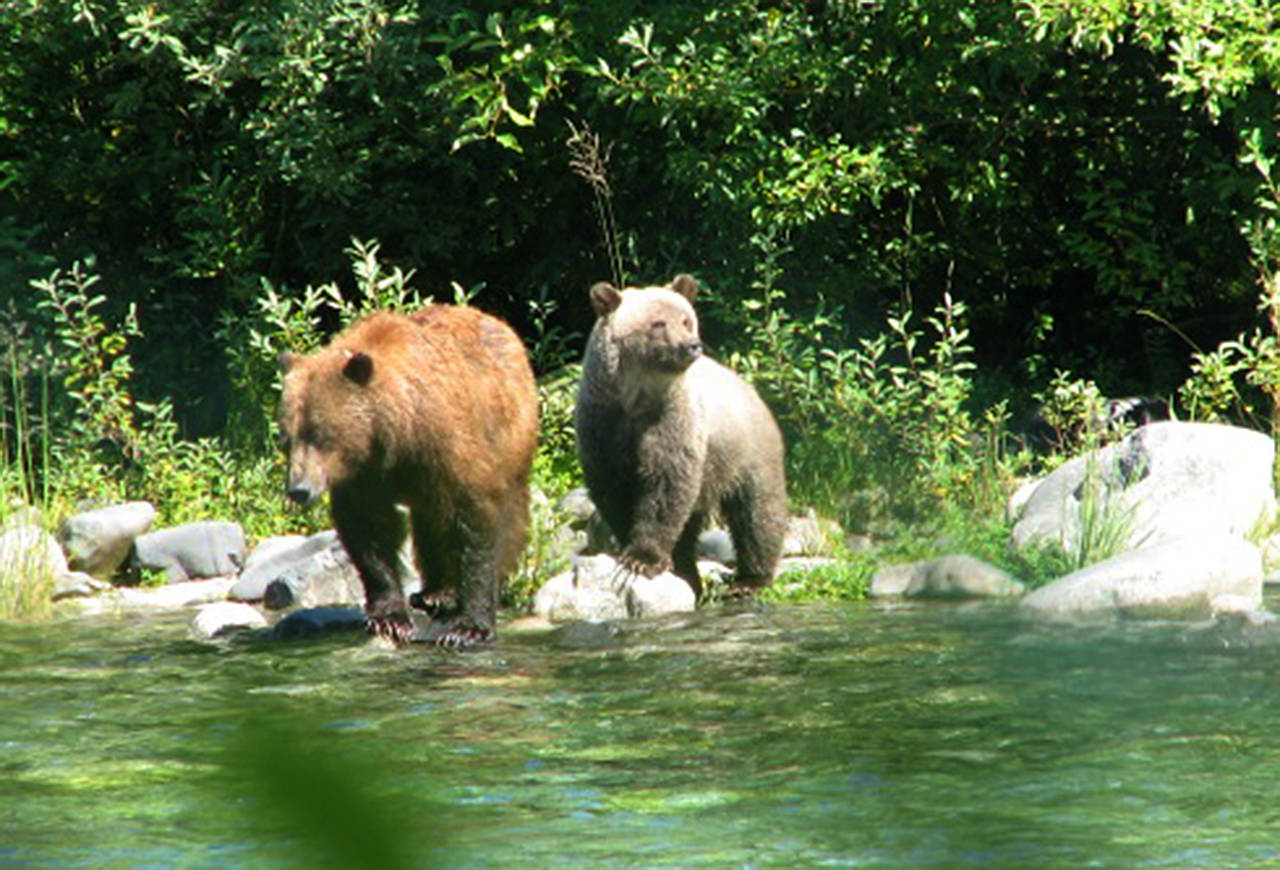
Grizzly bears, which may have originally numbered in the thousands in the North Cascades — and more than 50,000 throughout the West — were hunted to less than 400 in the region by the 1860s and now may number only 10 to 20 in the larger ecosystem that includes land in Washington state and British Columbia. In the past decade, there have been four confirmed reports of grizzly bear sightings in the 9,800 square miles of the park in Washington state and the 3,800 square miles in B.C.
The National Park Service and the U.S. Fish and Wildlife Service are working to wrap up a draft environmental impact statement on a plan to restore a self-supporting population of grizzlies to the ecosystem. Written comments on four options for the plan are being accepted until Tuesday.
Three options offer different rates of reintroduction; a fourth no-action option calls for habitat improvements that could aid in recovery but would not use relocation of bears to give restoration efforts a jump-start. Depending on the rate of relocation of bears from other regions in the West, the plans seek a self-sustaining population of 200 bears that would take as few as 25 years or as as long as a century to build.
Simply enhancing the habitat to support grizzly bears likely isn’t enough to aid in their return, as has been the case with gray wolves in Washington state and throughout the U.S. Relocating bears to remote areas of the park and wilderness would result in slow population growth. Grizzlies typically give birth to one or two cubs every three or four years, and only about 50 percent of cubs survive.
Because a reintroduction plan involves government intervention, as well as between $6 million and $8.5 million over the next 25 years, the costs, risks and benefits have to be considered.
And there are risks, particularly for those who travel into the North Cascades for recreation and those who live along the lands that border the park and wilderness areas.
Grizzlies do kill. Among the most recent deaths was that of a mountain biker in June outside Glacier National Park in Montana. But such attacks are infrequent. The Greater Yellowstone Ecosystem in Wyoming and Montana, which supports about 590 bears, had two fatal grizzly attacks in 2011, but Yellowstone’s last fatal attack prior to that was in 1984.
But risk has always been part of the wilderness experience. Climbing accidents and rockfalls have been the most common cause of death in the North Cascades in recent years. And visitors to Yellowstone, Glacier and other national parks that are home to grizzlies are more likely to die in a vehicle accident than in an encounter with a bear.
A recent guest commentary in The Herald by a conservationist, a hunter and angler, and a guidebook author, noted that safety concerns can be addressed through education programs on bear ecology and behavior and safe wilderness practices.
By why risk even the remote possibility of death?
Because the North Cascades are now something less than they were before the bears were hunted to near extinction. The return of 200 grizzlies to 9,800 square miles of land isn’t likely to result in the rewilding or “tropic cascade” that the return of gray wolves has had on some ecosystems, controlling the population of elk and other prey and allowing for a healthier ecosystem that supports a greater diversity of animals and plants.
But umbrella species, such as grizzlies, do play an ecological role, according to the advocacy group, Friends of the North Cascades Grizzly Bear. Because of what bears do in the woods, seeds from the plants on which the feed are spread, as are nutrients from the trout and salmon on which they also feed.
Anyone who has seen a grizzly in the wild will admit to a mixture of awe and fear, feelings that generate a renewed and healthier respect for wilderness.
For the same reason we want to save wild salmon runs and preserve pods of orcas in Puget Sound and the Salish Sea, we need to bring grizzlies back to the North Cascades: The wilderness would be less without them, as would we.
Comment on plan
For more information and to comment on the plans to restore grizzly bears to the North Cascades go to www.nps.gov/noca/grizzly.htm. Comment deadline is March 14.
Talk to us
> Give us your news tips.
> Send us a letter to the editor.
> More Herald contact information.
























