
By The Herald Editorial Board
DaVita, we hardly knew ye.
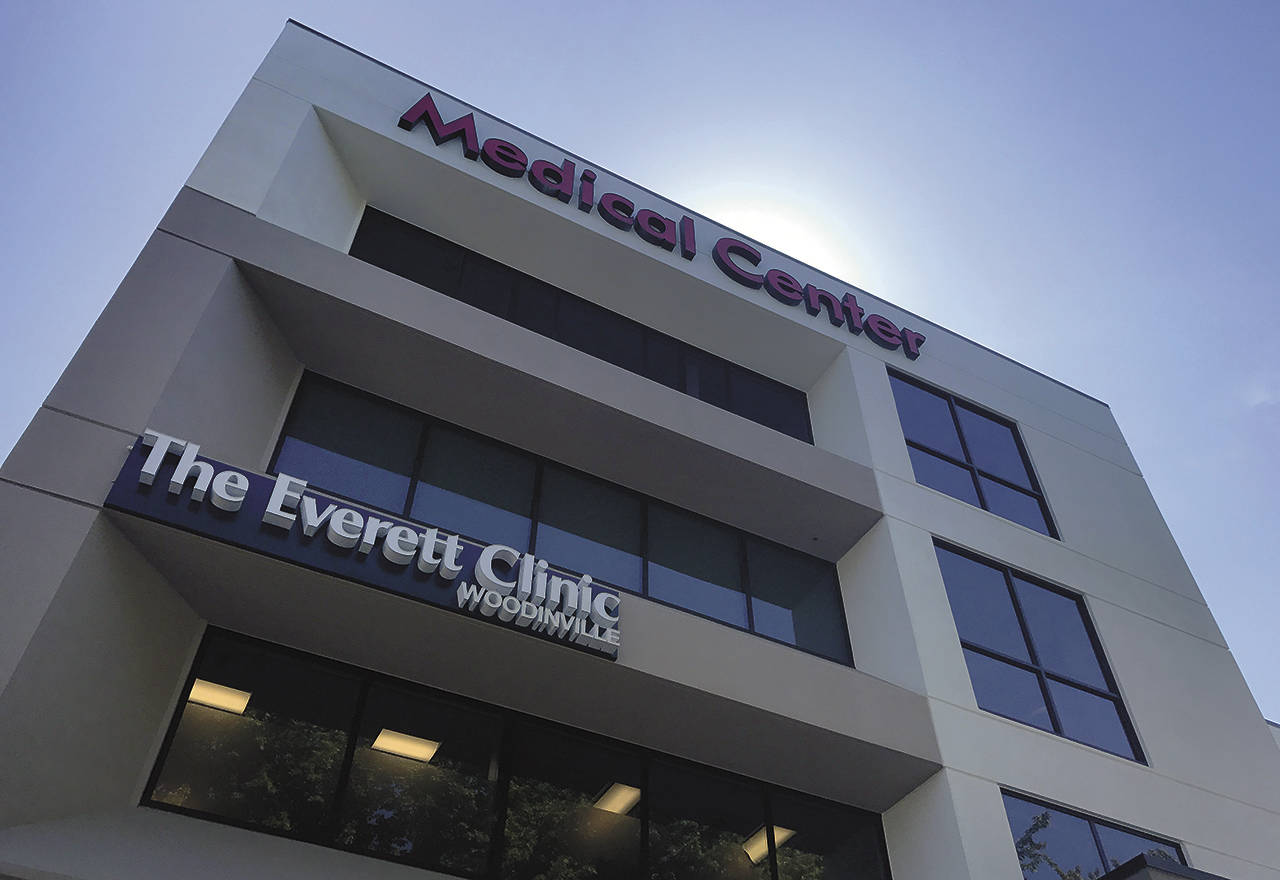
Less than two years after buying The Everett Clinic for $405 million, DaVita, the Denver-based health care provider, is moving to sell off the Snohomish County-based medical group as well as about 340 other such clinics and facilities it owns to health insurance giant UnitedHealth Group’s Optum unit for $4.9 billion.
The physician-owned Everett Clinic — then 91 years old and with 250 physicians and about 318,000 patients at the time of the sale — agreed in late 2015 to be acquired by DaVita to ensure its continued viability and presence in the region, saying it needed to keep expanding in order to do so. DaVita, proponents of the sale reasoned, had the capital to help The Everett Clinic grow. The deal was intended to allow The Everett Clinic to invest in the community, ensure a high standard for quality of care, combat the increase in health care costs as it moved from the fee-for-service model to treatment based on outcomes, and continue its plans for growth.
There were complications, including a $33 million binding arbitration settlement with 31 former clinic physicians that wasn’t completed until this May. But DaVita had seemed to be keeping its commitment to investment here, with The Everett Clinic’s opening of an outpatient surgery center in Edmonds, the purchase of a family practice in Kirkland and new clinics in Mill Creek, Lake Stevens and Woodinville this year. Another clinic is scheduled to open in Bothell later this month.
As well, The Everett Clinic also was able to secure other pledges from DaVita with the sale, including that The Everett Clinic name would remain, as would its nine-member board of physicians and care providers and its commitment to the United Way and other community groups as well as the charitable work of The Everett Clinic Foundation.
Those certainties will leave with DaVita, which is divesting itself of a medical group that serves 1.7 million patients at more than 340 clinics and other medical centers in this state and in California, Colorado, Florida, Nevada and New Mexico. DaVita, which had started acquiring practices similar to The Everett Clinic for some time, had seen years of disappointing returns and now seeks to refocus on its core dialysis and kidney care business.
Acquisitions are nothing new in health care, but UnitedHealth’s purchase of DaVita’s clinics — and The Everett Clinic — is a new twist; rather than being acquired by another health care provider, it’s an insurance company buying the practices. It’s a deal seen as similar to the recent announcement that CVS Health — which owns some 10,000 pharmacies — plans to purchase insurer Aetna.
Certainly, UnitedHealth and its Optum group, have the capital. UnitedHealth is the largest health care company in the world. And Optum, alone, already has more than 125,000 providers and employees nationwide. Optum, in addition to serving UnitedHealth’s members, also provides care through more than 80 health plans.
The insurer’s expansion into providing care is seen as a way for it to reduce and better control costs. But controlling those costs could mean changes for patients. A recent New York Times story said that such mergers could mean consumers will see their choice of doctors or pharmacies limited as insurers steer patients into the facilities they have the most control over. And it also could create new frictions with physicians and other providers who may chafe against Optum’s attempts at cost control and measures that could discourage some referrals for tests and treatment.
But those are pressures that likely would have become common as reforms continue to make health care more affordable and responsive to patients’ health outcomes.
If there was unease two years ago in selling off a respected and locally controlled institution such as The Everett Clinic to DaVita, those concerns will return with the proposed sale to UnitedHealth.
DaVita, to its credit, made a point of meeting with The Everett Clinic’s stakeholders and others in the community prior to the sale. UnitedHealth and Optum would do well to make the same introduction to The Everett Clinic’s providers, patients and the larger community in the months before the sale goes through.
And — if you want our advice — keep the name; it means something here.
Talk to us
> Give us your news tips.
> Send us a letter to the editor.
> More Herald contact information.
























