EVERETT — A Snohomish County Superior Court judge ruled Tuesday that Flock Safety camera footage is subject to public records requests.
The ruling came after two conflicting rulings in other Washington county courts and as the state Legislature debates a bill that would exempt automated license plate reader footage from the Public Records Act.
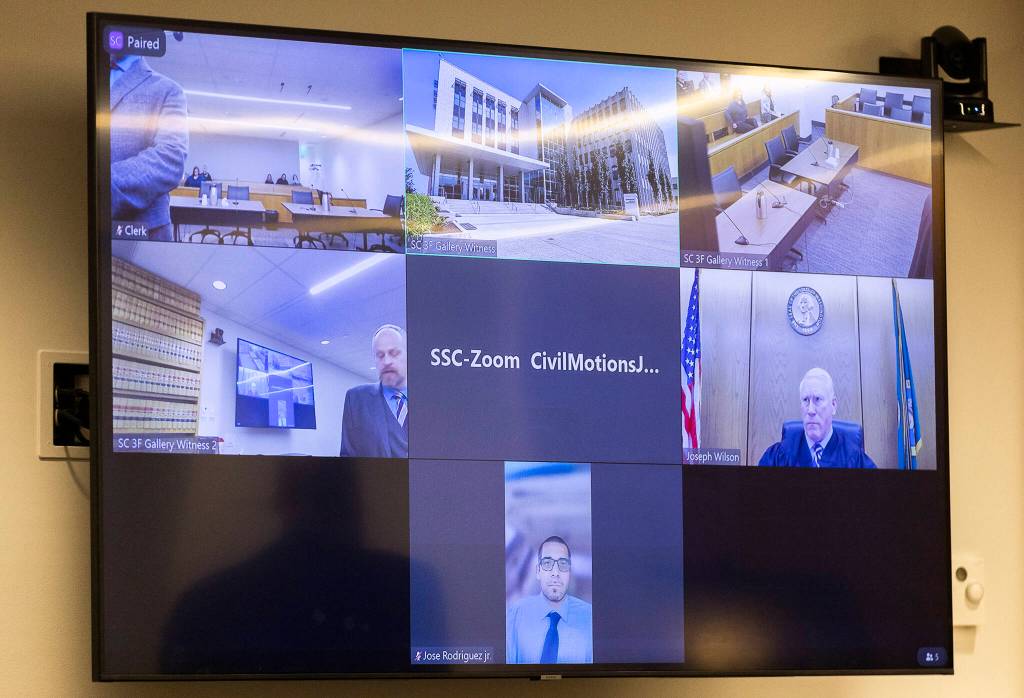
On May 29, Oregon resident Jose Rodriguez requested all images and data logs from Everett’s Flock cameras between 5-5:30 p.m. on May 5, according to court filings.
Everett told Rodriguez the images were exempt from the Public Records Act because the city had not previously accessed that footage for an investigation. Rodriguez challenged the assertion, stating that he intended to sue the city. In response, Everett requested a judgment in Snohomish County Superior Court that Flock footage is either not considered public record or is exempt from the Public Records Act.
Flock cameras are a type of automated license plate reader. After Flock cameras capture the back of a vehicle, artificial intelligence analyzes the footage and creates terms for police to search. For example, an officer could search for a vehicle’s make, model, color, or even distinct bumper stickers or body damage, even if they don’t have a specific license plate number. Every time a vehicle passes a camera, the image and associated data are stored in the cloud for a default of 30 days, according to Flock. Any time within those 30 days, an officer can make a search and retrieve the data.
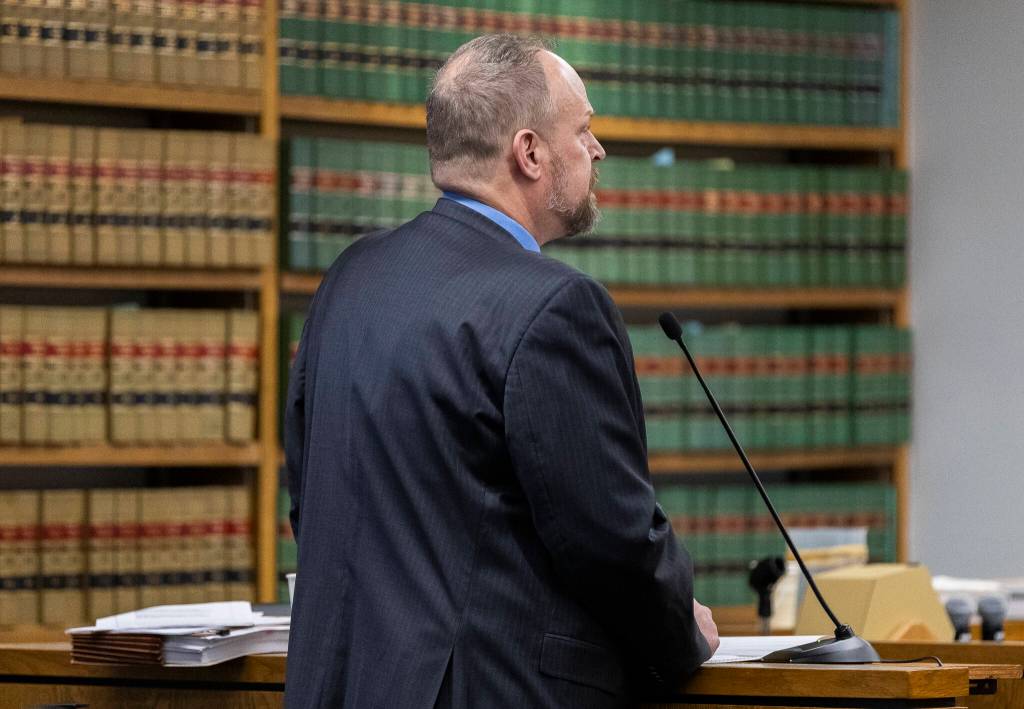
Ramsey Ramerman, Everett’s attorney, said Flock footage that a department doesn’t retain for an investigation does not pertain to the conduct of government, which is necessary to be considered public record under state law.
“The database here is similar to lots of databases that law enforcement has access to, but that does not mean that the entire content of every database is the city’s public record,” Ramerman said at a motion hearing Tuesday.
Timothy Hall, Rodriguez’s attorney, argued that Flock cameras serve a governmental purpose similarly to surveillance cameras. Surveillance footage is considered public record under Washington state law.
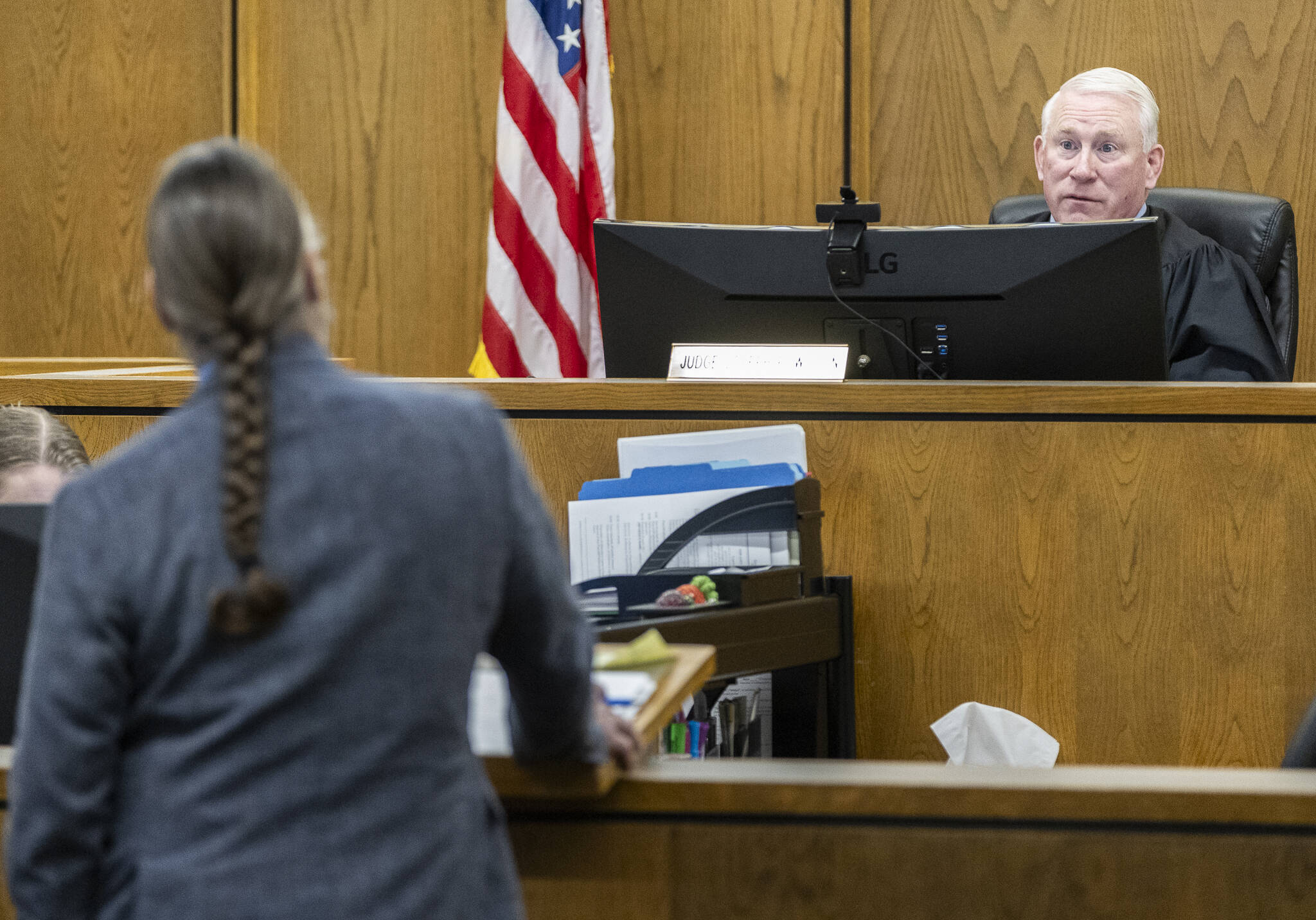
Snohomish County Superior Court Judge Joseph Wilson concluded that the footage does relate to the conduct of government.
“These cameras are installed in specific areas at the direction of the city, and the city’s intent when installing cameras in specific locations is to conduct business there,” he said.
The Public Records Act exempts certain intelligence information that could jeopardize the effectiveness of law enforcement or a person’s right to privacy if released. State law does not explicitly exempt automated license plate reader data from public records, but it does have exemptions for red-light camera data. Everett also argued that the records should be exempt for this purpose.
Giving the public access to Flock footage could allow people to figure out the locations of the cameras and test ways to evade Flock’s license plate detection technology, jeopardizing the effectiveness of law enforcement, Ramerman said.
“(The cameras) are all over the city,” Hall said in response. “They don’t try to hide them. They’re very easy to see when you pass by one. Every single one of us has a vehicle fingerprint that Flock has collected on us and that they’re able to use worldwide. If the city was really concerned about privacy, they wouldn’t be using Flock.”
Late last year, reports from the University of Washington and The Daily Herald found that out-of-state agencies accessed multiple local Flock networks seemingly for the purposes of immigration enforcement. Federal agencies, including U.S. Customs and Border Protection, also accessed several local networks. Since then, Everett has turned off a setting that allows any agency to access its data. Now, Everett says only some in-state agencies have access to its network. Those restrictions would be useless if anyone could request the footage, Ramerman argued.
“If you made these images subject to the Public Records Act, then anybody could have access to these robust search tools for any reason they wanted,” Ramerman said. “It would allow for immigration enforcement, but it also could be used for other nefarious things. You could have a suspicious spouse wanting to track the movements of their partner. You could have a stalker wanting to figure out the daily routines of their target. You could even have a litigant unhappy with the judge, knowing the make and model of that judge’s car, and could track their comings and goings.”
“So the city gets to invade everybody’s privacy, but nobody else can have access to that?” Wilson asked in response.
Wilson ruled that the footage does not meet the Public Records Act’s privacy exemption.
“I have no question in my mind that these documents are subject to the Public Records Act,” he said.
Ramerman said the city intends to appeal the court’s decision.
In November, a judge in Skagit County ruled that the footage is subject to public records requests in a case brought by Sedro-Woolley and Stanwood. That case is currently under appeal. In December, a Pierce County judge ruled the opposite, saying that Flock records not retained by an agency are “transitory” and exempt from the Public Records Act. Rodriguez was a party in both cases after requesting Flock footage from each jurisdiction.
A bill currently in the state Legislature would exempt Flock footage from public records requests. The bill passed the Senate on Feb. 4. The House Committee on Civil Rights & Judiciary was discussing the bill in an executive session Tuesday morning.
Jenna Peterson: 425-339-3486; jenna.peterson@heraldnet.com; X: @jennarpetersonn.
Talk to us
> Give us your news tips.
> Send us a letter to the editor.
> More Herald contact information.
Gallery