State lacks Spanish-speaking nurses; for Everett student, it’s personal
Published 1:30 am Wednesday, December 13, 2023
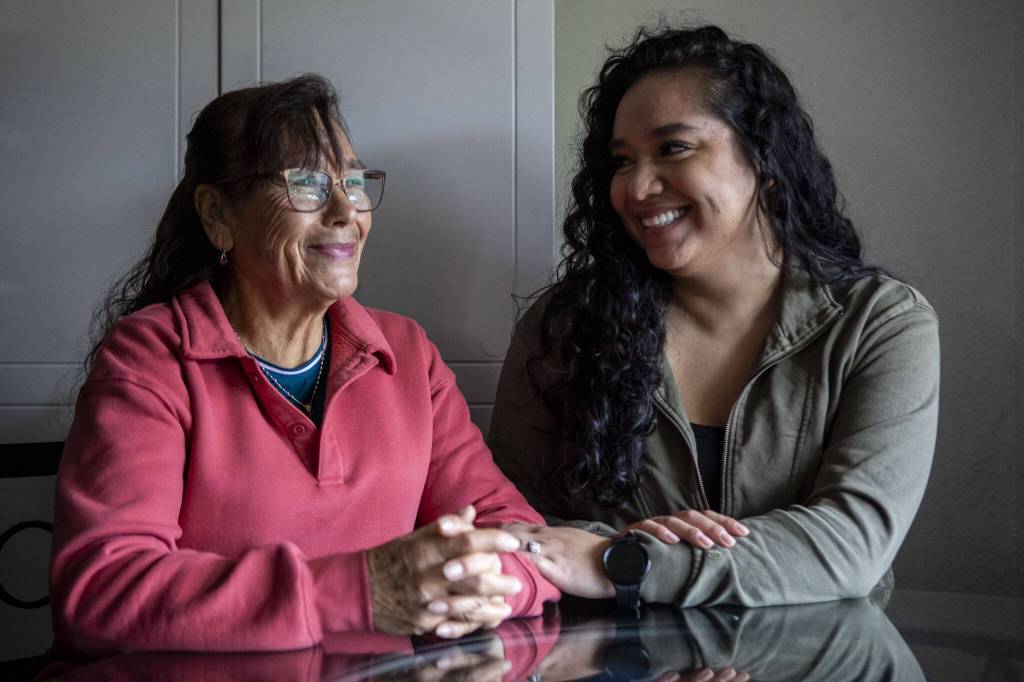
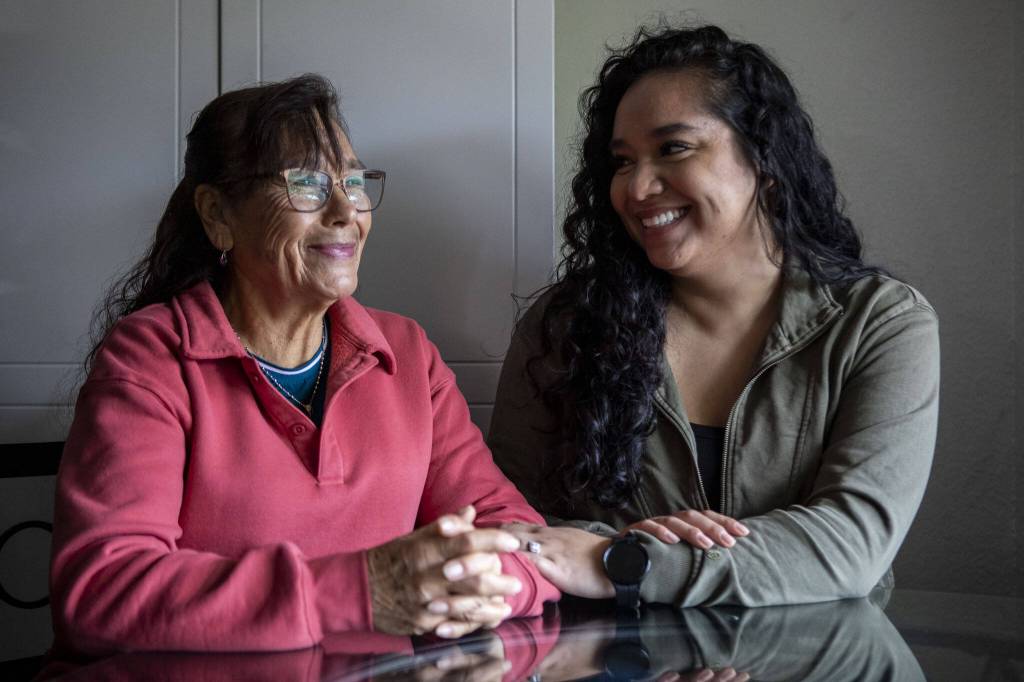
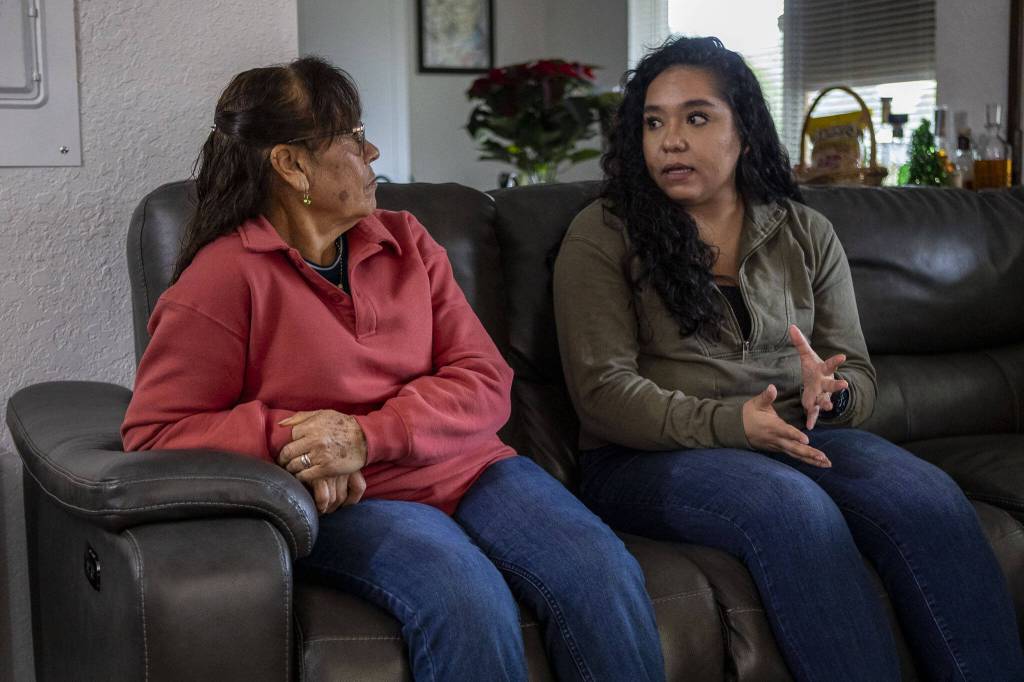
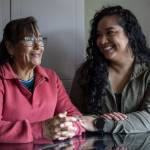

EVERETT — Elizabeth Cervantes has interpreted for her parents at the doctor’s office since she was a child. Now she’s in an Everett nursing program to care for Spanish speakers in their own language.
At age 4, Cervantes left central Mexico with her family to live in Cove, Oregon, a mostly white and English-speaking town with a population of about 600. When her family needed care, Cervantes said no clinic or hospital had bilingual staff or provided interpreter services.
“I remember being like 6 or 7 trying to interpret,” said Cervantes, now 29. “I didn’t even know what was going on.”
Throughout her youth, Cervantes was her parents’ health care advocate. She scheduled appointments, filled out paperwork and interpreted for doctors. Her mother, Maria Jimenez, said navigating health care before her daughter was old enough to help was nearly impossible.
In 2016, Cervantes was the first in the family to know devastating news. The doctor couldn’t speak Spanish. Cervantes had to tell her mom: “You have breast cancer.”
“I couldn’t just be a daughter or a support system for my family,” Cervantes said. “I had to manage my mother’s care.”
There is a “great scarcity” of Spanish-speaking doctors and nurses across the country, said Leo Morales, associate dean of health equity at the University of Washington.
About 13% of people in the United States identify as Hispanic, and nearly 70% speak Spanish at home. But only 8% of doctors speak Spanish, according to data from the U.S. Census Bureau and the Latino Health and Culture research center at the University of California, Los Angeles. Just over 10% of nurses are Hispanic, according to a national nurse survey.
Cervantes wanted to practice medicine since she was a young girl. Seeing the need for Spanish speakers in health care turned that desire into a mission.
“I need to be here,” Cervantes said. “I need to be part of the change.”
In 2017, Cervantes moved to Washington.
This year, she joined an evening nursing program at Everett Community College designed for students with education barriers. Since Cervantes is undocumented, she didn’t qualify for student loans or other federal aid. It took her 10 years to afford nursing school, she said, and she has to work to pay for her classes.
“Nursing in general is heavily populated by white women,” said José Reyes, the associate dean of nursing at the college. “That’s one of the reasons I took this role as a male person of color.”
Hispanic people make up 14% of the state’s population. A diversity snapshot last year showed Hispanic nurses were the most underrepresented in the state, making up 5% of registered nurses and 5% of registered nursing students. Just over 3% of Washington doctors were Hispanic, according to the state medical commission.
The Everett nursing program is one of many in the country pivoting toward “holistic admissions,” considering a person’s background, financial status and languages spoken, along with grades and test scores. The curriculum includes training on how to understand stereotypes, implicit biases and how to show empathy to a diverse population.
“When there is a language barrier, patients are less likely to advocate for themselves,” Reyes said.
Cervantes has already seen this with her family and in her work. She contracts with the state Department of Labor and Industries to interpret when a Spanish speaker gets hurt on the job.
Patients may not know the right questions to ask, Cervantes said, and may pretend to understand their doctors. More barriers exist if a patient is undocumented. Patients may be afraid to report injuries or ask questions because they fear deportation, Cervantes said. Another problem is cost. Federal law generally bars undocumented patients from health insurance and financial aid.
As of November, all undocumented immigrants — more than 105,000 people and nearly a quarter of the state’s uninsured population — can buy health insurance and apply for financial aid in Washington. The deadline to apply is Jan. 15.
Jimenez received cancer treatment and is in remission. If she could change anything about health care in the country, it would be the fear immigrants have of deportation or inferior treatment.
Without enough multilingual caregivers, health care settings that receive federal funding must contract with phone, video or in-person interpreters. Aside from the emotional toll, Morales said family members — or even medical staff who aren’t certified interpreters — should not interpret for safety reasons. Family members aren’t always well versed in medical terms and may not interpret effectively. Doctor-patient confidentiality could be broken by involving a family member. And some patients may not be honest about their health if a family member is present.
Interpreters are needed, Morales said, but it’s more likely patients will adhere to advice and return for follow-up appointments if they can speak directly with caregivers.
The lack of multilingual caregivers is also costly. In 2020, Providence Regional Medical Center Everett provided nearly 5,000 hours of audio, video or in-person interpreter services, costing the hospital $337,000, records show. So far this year, the Everett hospital has provided more than 10,000 hours of interpreter services, costing $483,500.
“The need for interpreter services continues to grow,” spokesperson Erika Hermanson said.
Cervantes, set to graduate in June 2025, hopes her story will encourage other multicultural and multilingual people to pursue a career in health care.
“It’s my No. 1 motivator,” she said. “And showing my parents all of their sacrifices were worth it.”
Sydney Jackson: 425-339-3430; sydney.jackson@heraldnet.com; Twitter: @_sydneyajackson.
Changes to health insurance for undocumented immigrants
As of November, everyone who lives in Washington can buy health and dental insurance through Washington Healthplanfinder, regardless of immigration status. Low-income people may be eligible for financial aid to help cover costs. As a free resource, Healthplanfinder pairs people with local organizations to help navigate health coverage and care options in 45 languages.
Insurance enrollment is open through Jan. 15. People who enroll by Dec. 15 can sign up for a plan that starts Jan. 1, while those who enroll later can sign up for a plan that will start Feb. 1. The waiver expanding insurance access to non-citizens is effective until 2028.
Starting July 2024, a state program will provide insurance for adults earning less than 138% of the federal poverty level, regardless of immigration status.
Northwest Health Law Advocates has developed a Washington language resources guide in English and Spanish.