How to make Lynnwood restaurant’s signature poke
Published 1:30 am Tuesday, July 12, 2022


Poke is Hawaii in a bowl.
Each ingredient bares the farmland, ocean and volcanoes that created and sustain the archipelago.
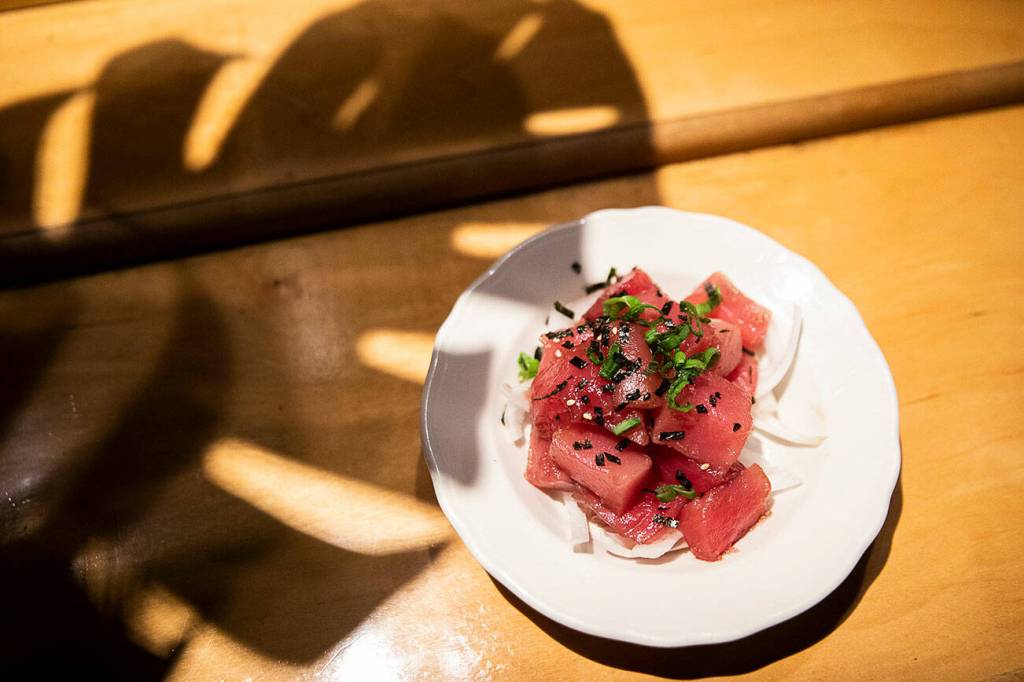
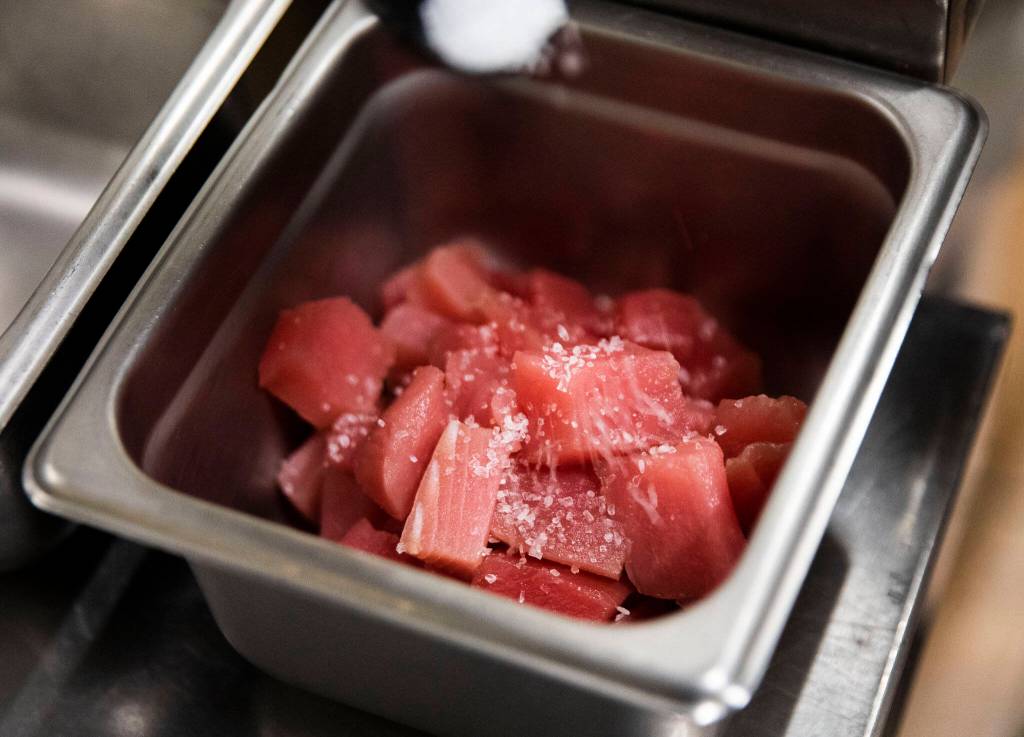
Poke contains the waters around O’ahu through cubes of deep reddish-pink ahi. The tuna is massaged with Hawaiian alaea salt, which gets its brick red hue when it mixes with volcanic clay. Traditional poke calls for limu (seaweed) that grows on the edges of reefs, in streams and underwater springs, attached to rock and coral.
“I love to eat poke because it reminds me of the ocean,” said Psalms Jodi Moe. “Even with the different flavors, it still has that distinct saltiness.”
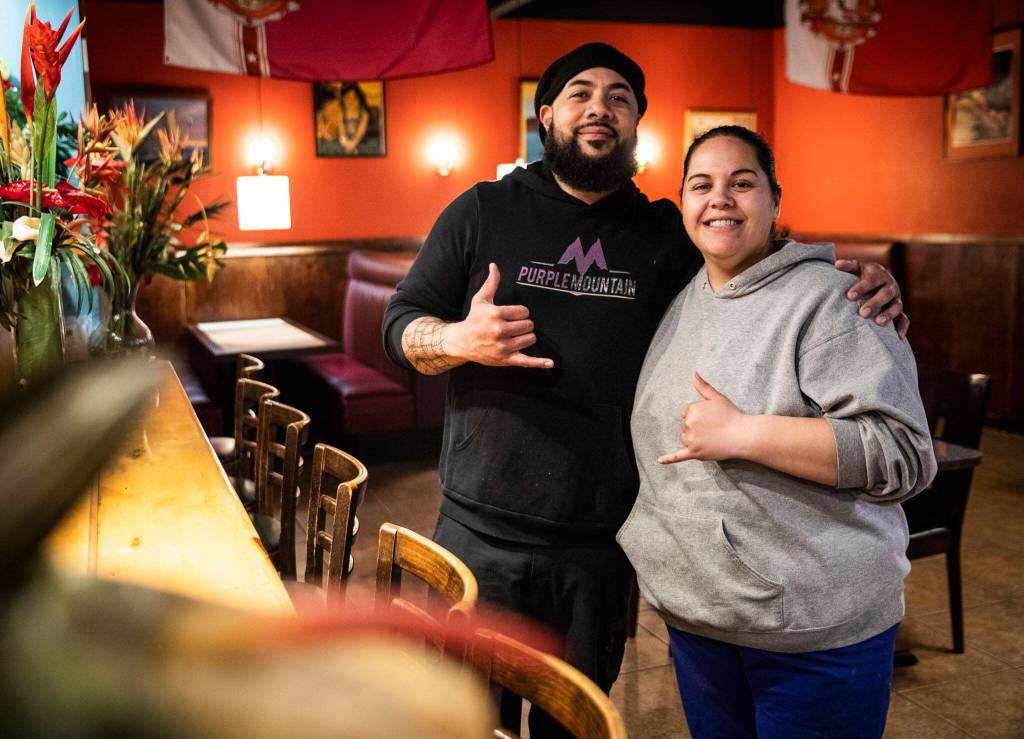
Moe’s family moved from Hawaii to Washington 32 years ago. A decade later, Moe’s father, Robert “Bobby” Kala Nakihei Sr. opened Bobby’s Hawaiian Style Restaurant in Lynnwood, where they serve three varieties of poke.
“It was his dream to go up to what we call the mainland, or the continental U.S., and give people an opportunity to eat the foods we ate growing up and the foods that we crave, giving that a place,” said Robert Nakihei Jr., Bobby’s son and now a co-owner of the restaurant alongside Moe.
Their father, born in Kalama’ula, Molokai, Hawaii, died last October. He was 65. Bobby was the type of person who made sure you were well fed, even if he didn’t see you.
“He might not come to your birthday party, but he made the food for it,” Nakihei Jr. said. “He didn’t socialize much but he would be in the kitchen, washing the dishes while everyone else was enjoying themselves. That’s how he showed you aloha (love).”
Hawaiian food is a melting pot of cultures: East Asian countries like Japan and China introduced soy sauce, oyster sauce, tofu and rice. Filipino immigrants brought curries, pork and vinegar. The Portuguese offered sausages, spices and a Hawaiian favorite: malasadas.
“Other influences from the outside helped build onto the food here,” Nakihei Jr. said.
And it makes sense: Hawaiians have historically utilized the ingredients given to them. What isn’t native still becomes part of what they eat and celebrate, as much as the sea salt that forms around them, the wild pig they hunt, the fish and squid they dive for.
Depending on whose house you’re at, the Kalua pig, mochiko chicken, poke and other traditional meals will taste different.
“That’s the coolest thing about Hawaiian food,” Nakihei said. “You make it how your family makes it, or how your region makes it.”
Poke is versatile: You can serve it immediately or refrigerate it and let the flavors seep into the fish. Transform leftover poke by searing it for a few minutes (or cooked to your preferred level of doneness) in a hot pan.
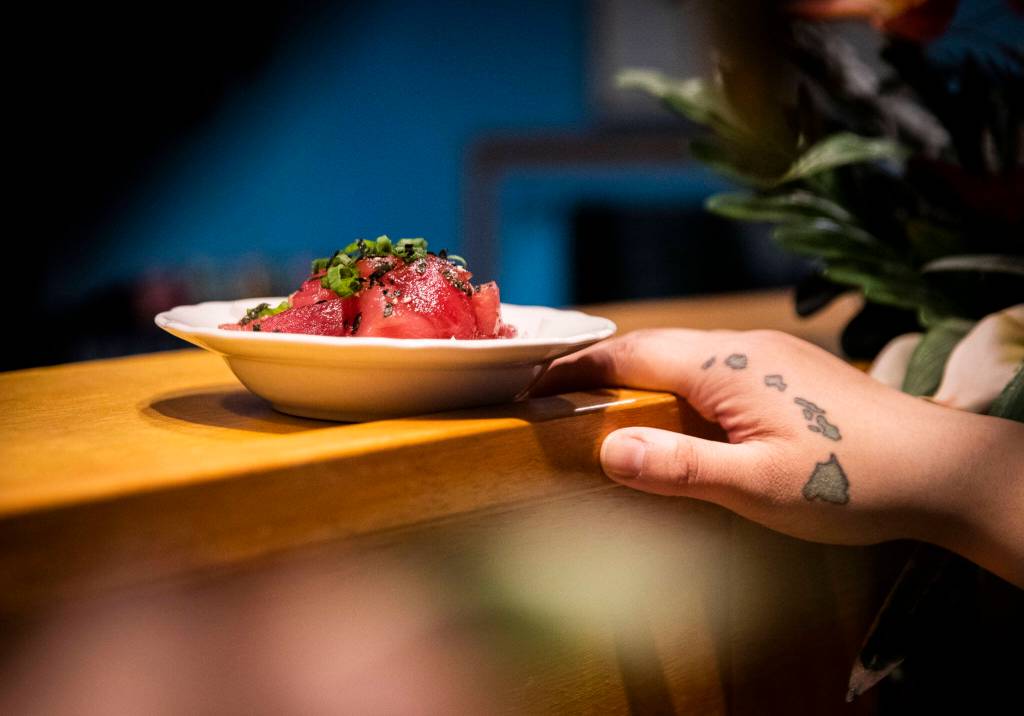
The Nakihei family offers three kinds of poke at their Lynnwood restaurant: traditional limu (seaweed), spicy sriracha mayo, and shoyu (soy sauce), which is featured in this edition of Signature Dish. The trio of flavors represents not only customer favorites but the blending of cultures that helped form Hawaiian cuisine.
Bobby’s uses Aloha brand shoyu because it tastes less bitter than other brands, and is sweeter and more mild while maintaining a satisfying brininess.
They recently added brown sugar to the shoyu recipe, one of the last changes Bobby made to his restaurant.
While in his hospital bed shortly before he died, Bobby told his daughter to add brown sugar.
“Trust me,” he told Moe. “It’s going to be ono.” Good to eat.
“I tried it,” Moe said. “I was like, dude, there’s not too much of a difference, but it’s good. That was what made the sauce better.” The brown sugar helped coat the sauce to the fish while adding a pleasant sweetness.
Bobby was constantly thinking up ways to perfect his recipes.
“I can still hear him,” Moe said. “He was always staying with the culture and giving back to the people.”
Bobby’s Shoyu Poke
1 pound ahi (yellowfin or bigeye tuna), cut into 1- to 2-inch cubes
2 teaspoons Hawaiian alaea salt (or pink Himalayan salt), or to taste
2 tablespoons Aloha shoyu (soy sauce)
½ tablespoon brown sugar
1 teaspoon oyster sauce
½ teaspoon sesame oil
¼ teaspoon fresh ginger, minced
To serve:
½ white onion, thinly sliced
2 green onions, thinly sliced
In a large bowl, mix tuna pieces with Hawaiian salt. In a small bowl, combine the shoyu, brown sugar, oyster sauce, sesame oil and fresh ginger. Mix well. Pour the sauce over the tuna and mix until the sauce covers each piece of fish. To serve, spoon the poke over thinly sliced white onion, then top with green onions. Serve immediately or refrigerate for up to two days.
Seafood tip: Per Seafood Source, an industry news resource, “High-quality fresh yellowfin comes from Hawaii, Florida, Mexico, Southern California and the Gulf of California.”
If you go
Bobby’s Hawaiian Style Restaurant, 14626 Highway 99 #101, Lynnwood serves poke, mochiko chicken, kalua pork, lau lau and other Hawaiian dishes as well as burgers, teriyaki, fried rice and more. The restaurant is open for dine-in or takeout Tuesday through Saturday. For more information, go to www.bobbyshawaiianstylerestaurant.com or call 425-259-1338.
Washington North Coast Magazine
This article is featured in the summer issue of Washington North Coast Magazine, a supplement of The Daily Herald. Explore Snohomish and Island counties with each quarterly magazine. Each issue is $3.99. Subscribe to receive all four editions for $14 per year. Call 425-339-3200 or go to www.washingtonnorthcoast.com for more information.