An ‘organic’ label doesn’t mean food’s more nutritious
Published 1:30 am Saturday, March 4, 2017
Are you confused by the word organic on food products and wondering if you should pay top dollar for them? Today, I’ll share insights into the ongoing organic vs. conventionally grown food debate.
Organic food sections are growing in grocery stores — have you noticed? What’s the difference between organic and conventionally grown foods? As far as their nutritional content goes, there are slight differences in nutrients — not enough to support a purchasing decision in favor of organics. Studies prove both contain vitamins, minerals, fiber, phytonutrients in similar amounts and actual levels depend on climate and soil conditions, not how they are grown.
If a food is labeled organic it means it’s produced without synthetic pesticides, hormones, antibiotics, irradiation and genetically engineered methods. If a product says it’s organic it must be certified by the United States Department of Agriculture’s Organic Program and meet its regulatory standards for growth and production. Many foods can be labelled organic. To meet that claim they must use at least 95 percent organic ingredients.
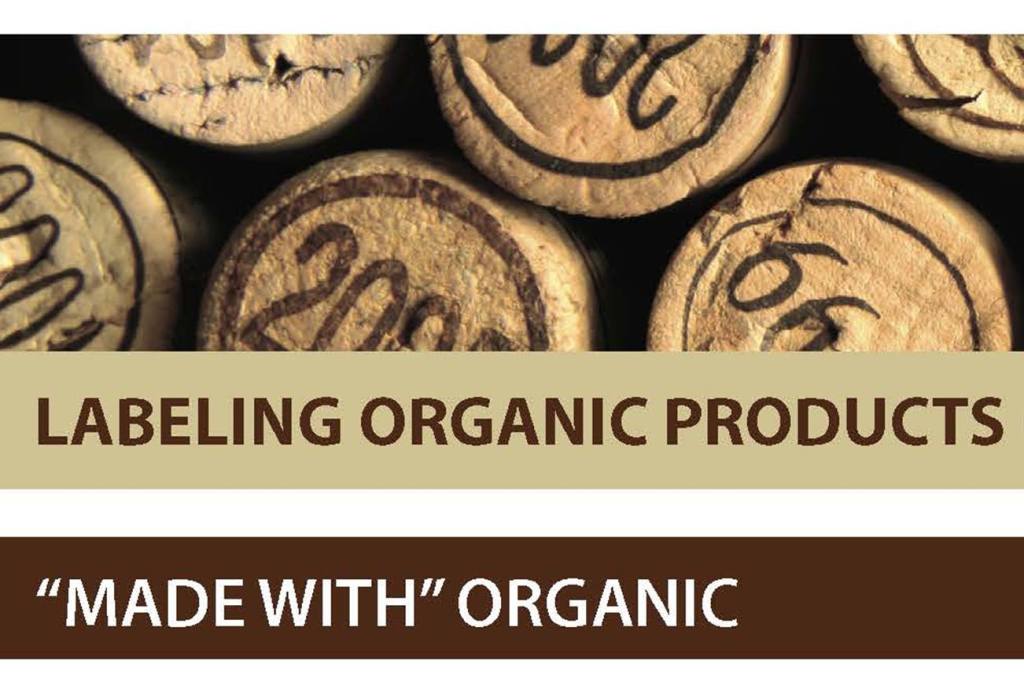
For an illustrated guide from the USDA Organic Program, see: https://www.ams.usda.gov/sites/default/files/media/Labeling%20Organic%20Products.pdf
The “no antibiotics” label seen on red meat, poultry and eggs requires the producer to provide verification.
Milk products can never contain antibiotics. It cannot be legally sold, and every milk truck is tested before processing to be sure. Don’t be fooled by milk products that display a “no antibiotics” phrase — it’s a marketing ploy.
The poultry industry is taking steps to eliminate use of human antibiotics. Most recently big producers Tyson and Perdue announced this big change. Will red meat and pork producers do the same? Time will tell.
Choosing organic or conventionally grown foods is a personal choice based more upon cost, environmental concerns, sustainable farming, pesticide use and individual belief systems.
Pesticide residues on conventional produce undergo stringent testing. The USDA monitors over 10,000 different foods annually.
Current levels of pesticide residue are safe and far below what is deemed hazardous for environmental or human health. However, there is no research to answer how multiple exposures to pesticide residues and exposure over time might influence disease processes. We do not have long-term studies to answer these questions yet. In addition, emerging research is raising questions on how they may affect our gut bacteria, endocrine and immune systems.
As a registered dietitian nutritionist, I recommend washing all fruits and vegetables to remove bacteria and pesticide residues before eating. Washing produce with water and friction is an easy, quick step for peace of mind!
Remember: If a food is labelled organic, tt doesn’t mean it’s healthier or nutrient dense.
Choosing more whole, minimally processed foods that you can afford every week and eating as many servings of fruits and vegetables as you can is the ticket to better health!
With all the trendy wording like no antibiotics, natural and non-GMO being slapped on labels, it’s hard for consumers to know what to believe.
Some of these are marketing gimmicks and have little to no truth to them — while others are tightly regulated.
How do you make sense of claims found on the labels of the food products (not dietary supplements) you buy?
The Food and Drug Administration regulates all health claims. A health claim is a statement suggesting a correlation between a food and a health condition, like heart disease.
Health claims are categorized into three areas:
Nutrient content claims (like high in Vitamin C, low in sodium, etc.)
Structure or function claims.
Authorized and qualified health claims. The Food and Drug administration currently has 12 health claims that are approved for usage.
First, the nutrient content claims focus on specific levels of nutrients in a food like sugar, cholesterol, fat, sodium or calories. They may use words like free, high or low, or they may compare the level of a nutrient in a food to another food using words like reduced, more or less. The lingo used to describe these nutrient content claims is authorized and regulated by the FDA. This ensures that all products use the same descriptive terms that are meaningful to consumers.
Structure and function claims encompass general well-being and claims related to nutrient deficiency disease. Well-being claims describe how the nutrient or dietary ingredient acts to maintain normal structure or function of the human body. For instance, “fiber maintains bowel regularity” or “calcium builds strong bones.” These claims include a disclaimer stating the FDA has not evaluated the claims. Nutrient deficiency disease claims describe a benefit related to preventing a nutrient deficiency — like vitamin C and scurvy — and they must be linked to widespread known diseases.
Authorized health claims state that the food, nutrient or ingredient is related to prevention of a disease. These claims must meet strict criteria and are authorized by the FDA based on an extensive review.
Qualified health claims are issued after a petitioning process is used to verify an emerging relationship between food, nutrient or ingredient and health. Companies apply for this, FDA researches scientific evidence and may approve it by saying it has limited evidence available.
Two words we see a lot are natural and healthy. Neither has any standard meaning or regulation. The FDA is taking public comment on the meaning of these terms and a final ruling will follow.
For now natural means no artificial, synthetic or color additives have been added. It does not address pasteurization, nutrient content or pesticide levels.
Kim Larson is a registered dietitian nutritionist, founder of Total Health, www.totalhealthrd.com, and a spokesperson for the Academy of Nutrition &Dietetics.