
Right now, all across the country, American families struggle with the same thing: What happens to a person’s belongings when they downsize or pass away?
China, knickknacks, treasured dining room tables — things that were once precious — become burdens that gen Xers and millennials don’t want. It’s a huge shift in culture, because 30 years ago, baby boomers started family wars over heirloom distribution. Now, an ugly silver tea set, which sister-in-laws once fought over, is destined for the thrift shop.
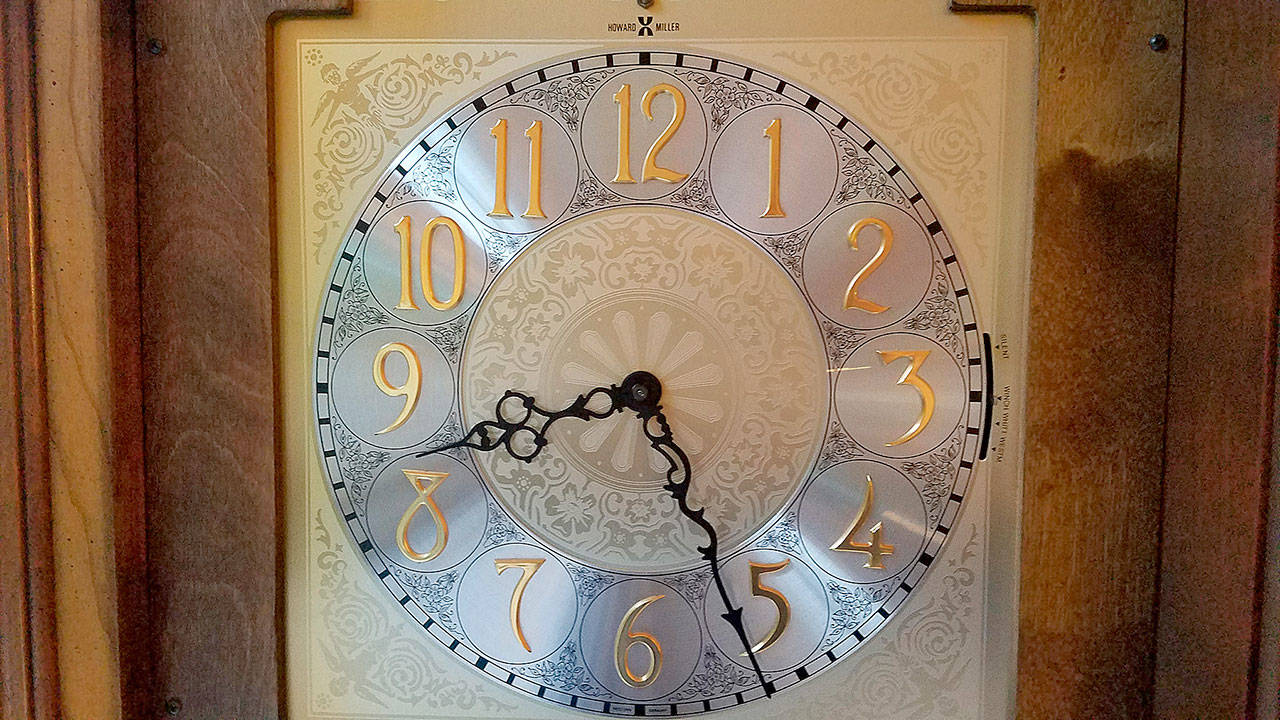
In my case, when an heirloom grandfather clock was up for grabs six years ago, I said “yes” when everyone else in my extended family said “no.” I also raised my hand for hand-painted wedding china and a hutch from Ethan Allen. I didn’t need these things, but unlike my cousins, I had the space to display them.
When the movers brought the china cabinet and clock into my house, they pushed open my double doors so hard that the doorknob punched a hole in the wall. The mover’s insurance had to replace the 1980s wallpaper that stretched from the floor all the way up to the cathedral height ceilings. My choosing to accept the clock and china cabinet meant that the hideous wallpaper that had haunted me for years was finally gone.
Life in a freshly painted house was sweet. Adjusting to the china cabinet and grandfather clock wasn’t so easy. I spent the first couple of years terrified that the china would smash every time my children ran through the dining room. Sometimes I would wind the clock, but usually I ignored it. I was a true gen Xer. I didn’t want things that could break or collect dust.
Except, I did want these things. When I opened the china cabinet, I could still catch a faint whiff of freshly baked bread and roast beef on a Sunday afternoon. The dishes were probably coated with lead paint, but looked pretty on Instagram. And the clock? Even when silent, it made the living room seem stately.
Flash forward six years. Right now, I’m dealing with something else that families all across America struggle with. How do I process my grief when a loved one dies from Alzheimer’s disease? Over the past six years, I watched my beloved lose everything. Giving up her clock, hutch and china was only the beginning. Dementia was the cruelest of thieves. When her final breath came, I didn’t know whether to be happy or sad.
But here’s the thing about heirlooms, and maybe it explains why baby boomers believe they’re worth fighting for: Possessions have sentimental value that lasts long after the original owner is gone.
Today, I wound up the grandfather clock and turned on the Winchester chimes. Their sound made my soul glad. I’m thankful my heart said “yes” to these treasures when there were so many reasons to say “no.” Who said they didn’t want something that could break or collect dust? Not me.
Jennifer Bardsley publishes books under her own name and the pseudonym Louise Cypress. Find her online on Instagram @the_ya_gal, on Twitter @jennbardsley or on Facebook as The YA Gal.
Talk to us
> Give us your news tips.
> Send us a letter to the editor.
> More Herald contact information.
























