A first-in-the-nation 988 line for Native people goes live in WA
Published 3:50 pm Thursday, November 10, 2022



By Esmy Jimenez / The Seattle Times
SEATTLE — The first mental and behavioral health 988 crisis line in the nation tailored for Native and Indigenous people, run by an all-Native team, will be live starting Thursday for Washington residents.
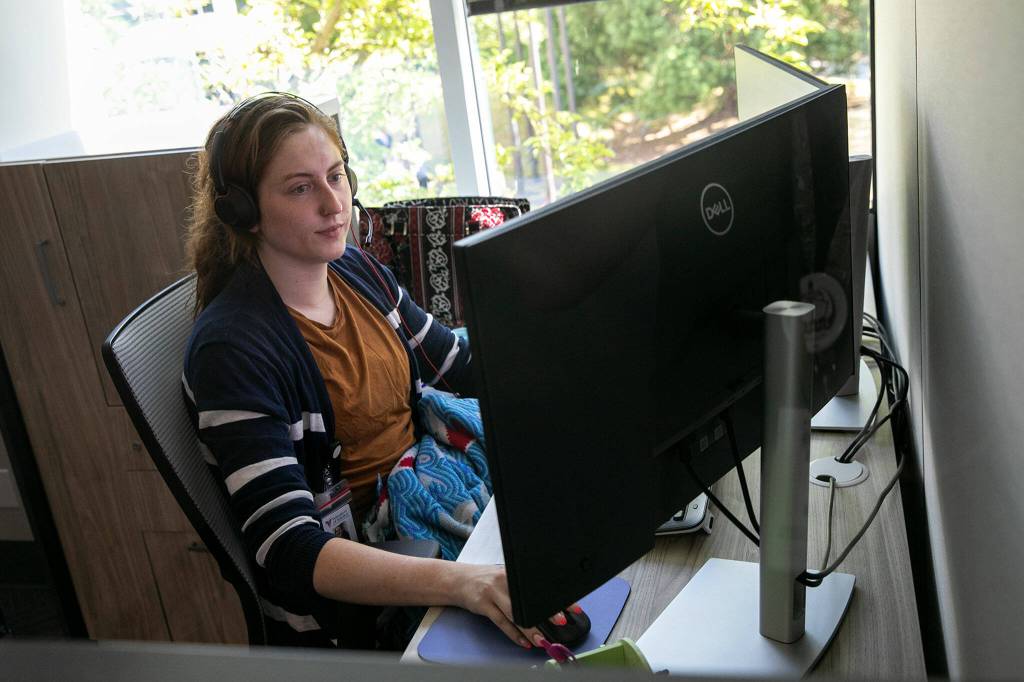
A group of 16 people will run the Native and Strong Crisis Lifeline, which folds into the existing 988 hotline that debuted this summer. Now, 988 callers will have the option of pressing 4 to connect to a counselor who is familiar with “historical, intergenerational trauma, self care [and] more traditional elements,” said Rochelle Williams, the tribal operations manager with Volunteers of America Western Washington, an enrolled member of the Ehattesaht First Nation and a descendant of the Tulalip Tribes.
Native people have endured decades of suffering from the effects of Western colonization and displacement from their traditional land, language and cultures, Williams said. It’s led to higher rates of depression, anxiety, substance use and suicide.
Current data from the Centers for Disease Control and Prevention found American Indian and Alaska Native people have the highest rate of suicide compared to their non-Native counterparts with 23.9 deaths by suicide per 100,000 people compared to 16.9 deaths for white people, 7.8 for Black people, and 7.5 for Hispanic people.
That’s why specialized counselors are so vital, Williams said.
On top of the regular training all crisis counselors receive, the staff are trained to be mindful of language. For example, many tribal communities have slang or allude to abuse rather than outright stating it, Williams said.
“One of the things that we talk about is the word ‘bothering,’” she said. “Outside, [if] someone’s ‘bothering’ you, maybe they’re picking on you … bullying you. In a lot of Native communities that might indicate a sexual assault more likely.”
Because they expect a smaller number of callers on the tribal line, counselors for the new line said they will make sure to take their time, not rushing, or worrying about how long a call is taking, unlike other 988 counselors who may have to hurry when calls start stacking up.
When making a self-care plan, counselors on the new line also will be able to offer callers ideas about traditional medicine, cultural activities like dance or prayer, eating their traditional foods, or engaging with an elder.
“Whatever your cultural traditions are, they’re encouraged and welcomed,” Williams said.
That’s also true for the counselors themselves, said Mia Klick, the lifeline coordinator and a Tulalip Tribes and First Nations Nuu-Chah-Nulth descendant.
Klick will encourage counselors to smudge between calls, a practice among some Indigenous communities where plants or resin are burned to spiritually cleanse people and places. She also will debrief with them after especially difficult calls and will ask counselors to look inward.
“It’s up to them to kind of reflect on their own biases and really unpack their own history with the trauma,” Klick said. “So getting through their training takes a little bit longer because there’s a lot of emotions.”
To fully staff the team, Klick and Williams looked outside Washington state. Some counselors will be working remotely from the Navajo Nation, others will be closer and affiliated with the Quileute Tribe, Snoqualmie Indian Tribe, and Yakama Nation, among others.
This is doubly useful: First, some tribes are small enough that calling a local mental health service can mean running into neighbors or relatives. Having counselors from across the United States will mean callers have a greater guarantee of privacy.
Secondly, it created a larger hiring pool. Hiring for mental health staff is notoriously difficult as counselors and social workers leave the field for higher paying jobs in private practice or move to other industries altogether.
“I am so proud that we were able to pull together an entire team of very strong Native voices that are going to advocate for people calling in,” Klick said. “They know the pain, they know the trauma, they know what the caller is going through … And that’s going to make a huge difference.”
So far this phone service will only be available for Washington residents, with text and chat features following soon. Klick also hopes it will inspire other states to develop similar programs.
She points fondly to the logo of the tribal line: an eagle designed by a local Lummi artist with the words, “Two ears, one heart.”
“Our elders would always say, ‘God gave you one mouth and two ears for a reason,” Klick said.
“We were made to listen, it’s deeply ingrained in our DNA, to heal and to help and to listen.”