After state law stalls, Everett bans public drug use
Published 10:30 am Thursday, May 4, 2023
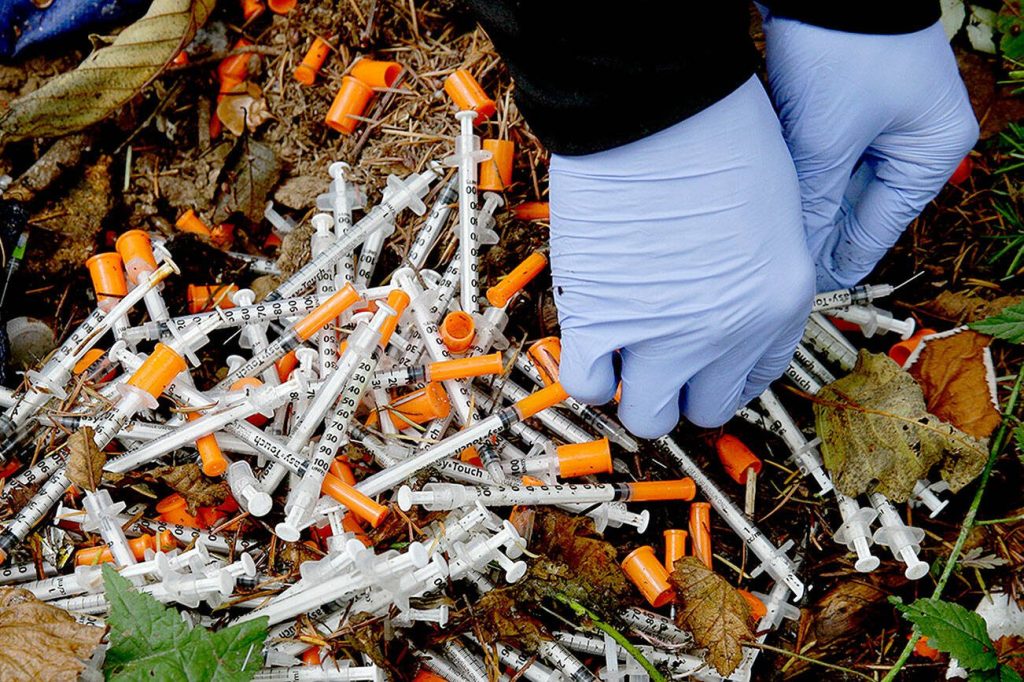
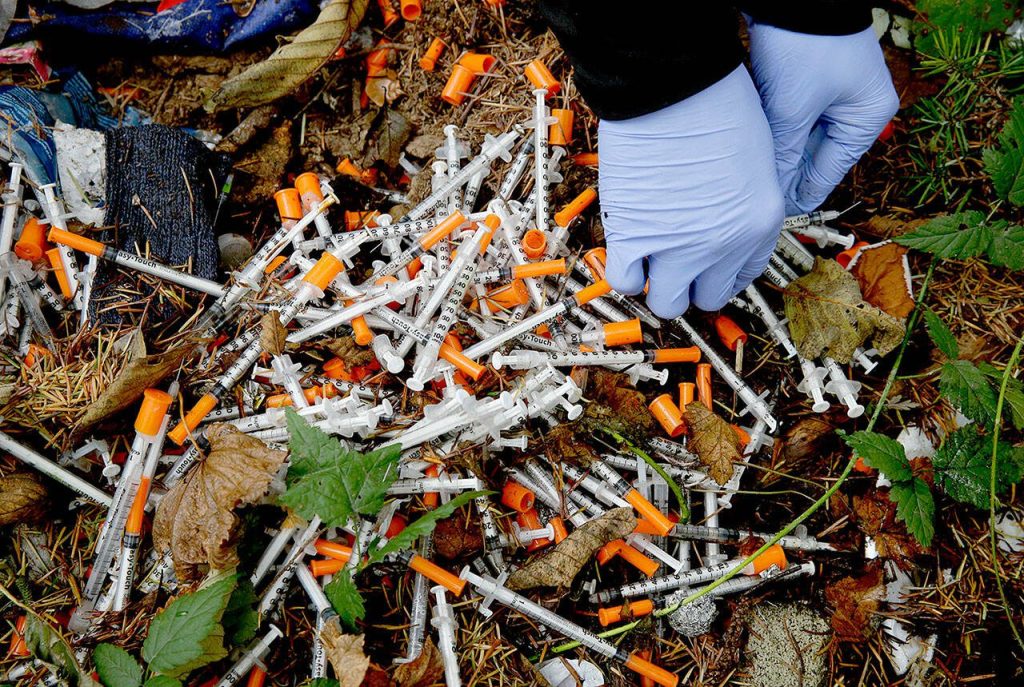


EVERETT — Public drug use is set to be a crime July 1 in Everett after the Legislature’s attempts to pass a statewide law failed last month.
The Everett City Council approved the new law after three weeks of discussion in a 4-3 vote Wednesday. Their decision came after lengthy debate among the city lawmakers and public comment from business owners, addiction and homeless recovery advocates, and residents.
“There really isn’t a solution, there isn’t one thing we can do to solve substance use disorder,” City Council President Brenda Stonecipher said.
Sometimes people, including those Stonecipher said she knows, get sober when faced with jail time or a court-mandated recovery program.
But criminalizing use of an already illegal drug continues failed policies, said council member Mary Fosse who also is a state representative for the Everett, Marysville and Tulalip areas.
“Something needs to be done, but this is not the answer,” Fosse said.
Lindsey Arrington, founder of addiction recovery and support nonprofit Hope Soldiers, supported Everett passing the drug use law.
“We are at a place in the homeless and drug crisis where bad behavior is evolving,” she said. “It’s getting worse, and it’s gone from criminal to dangerous. We need to adjust our empathy and make some room for logic and reason.”
Gov. Jay Inslee called legislators back into a special session that starts May 16 to pass a new drug possession law. If they pass a bill that Inslee signs, it would preempt local governments’ laws.
That potential led council members Paula Rhyne, Liz Vogeli and Fosse, as well as some people who spoke during public comment, to wonder why the city was acting now. Fosse, Rhyne and Vogeli asked to table the motion, but were outvoted.
The city waited through the Legislature’s regular session to no avail, and drugs such as fentanyl and methamphetamine have continued to imperial lives, council member Don Schwab said.
“I’m not in favor of legalizing powerful substances such as fentanyl,” he said.
Schwab said he supported the ordinance not to “throw people in jail” but as a tool to address drug abuse issues.
Everett resident Angela De Filippo said she was a social worker with a decade of experience and asked the council to not approve the law.
“Increasing the punishment for public illegal substance use will not change the prevalence of drug use in our community,” De Filippo said.
Other local governments in Snohomish County already passed, or are working on, similar laws.
Everett’s law doesn’t require police officers to refer someone to services or alternative programs before citing or arresting them. It also doubles the maximum possible penalties to 180 days in jail and a $2,000 fine if someone is found guilty of using a controlled substance in a drug-free zone.
Everett’s new drug use law does not include cannabis.
Ben Watanabe: 425-339-3037; bwatanabe@heraldnet.com; Twitter: @benwatanabe.