Climate change gets boost of attention from county planners
Published 1:30 am Monday, April 17, 2023
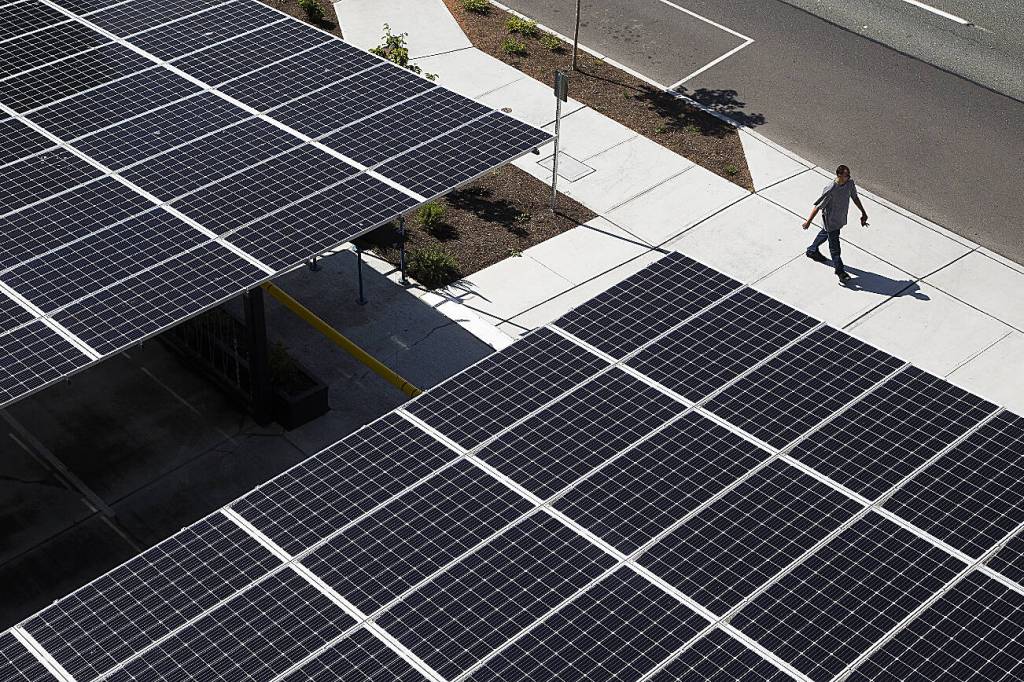
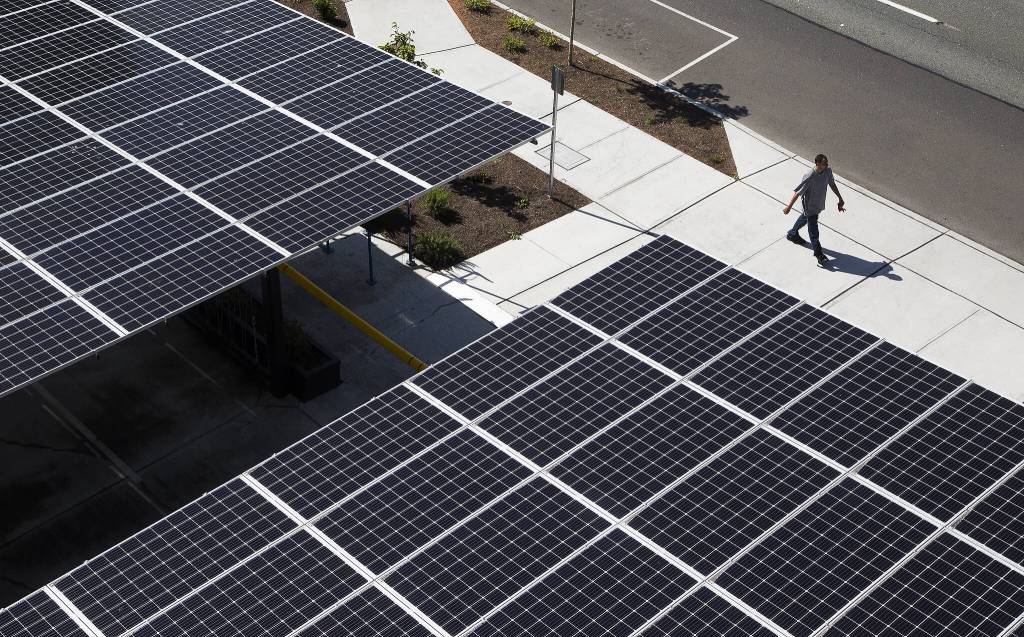


EVERETT — Climate change will be featured more prominently in the 2024 update of Snohomish County’s Comprehensive Plan, which guides many policy and budget decisions.
The public has until May 1 to comment on the new Climate Element, or section, of the draft plan. Input received over email at 2024Update@snoco.org or through the online comment form will help shape the policy amendments that county staff refine and present to the Planning Commission and County Council.
The Comprehensive Plan update process is explained online at bit.ly/SnoCo2024.
Jim Bloss, a member of the Citizens Climate Lobby, appreciates the county’s short description of the Climate Element, which reads: “Our world and Snohomish County are changing. This element aims to provide policy direction around how the county can both adapt to and mitigate against these changes in long- and short-term weather patterns.”
“’Our world and Snohomish County are changing.’ The only thing that’s missing there is the exclamation mark,” said Bloss, a Monroe retiree. As someone who used to do planning for a living, he’ll be watching to see how the plan is put into action. “Where is the flow chart, who will be responsible by what date?”
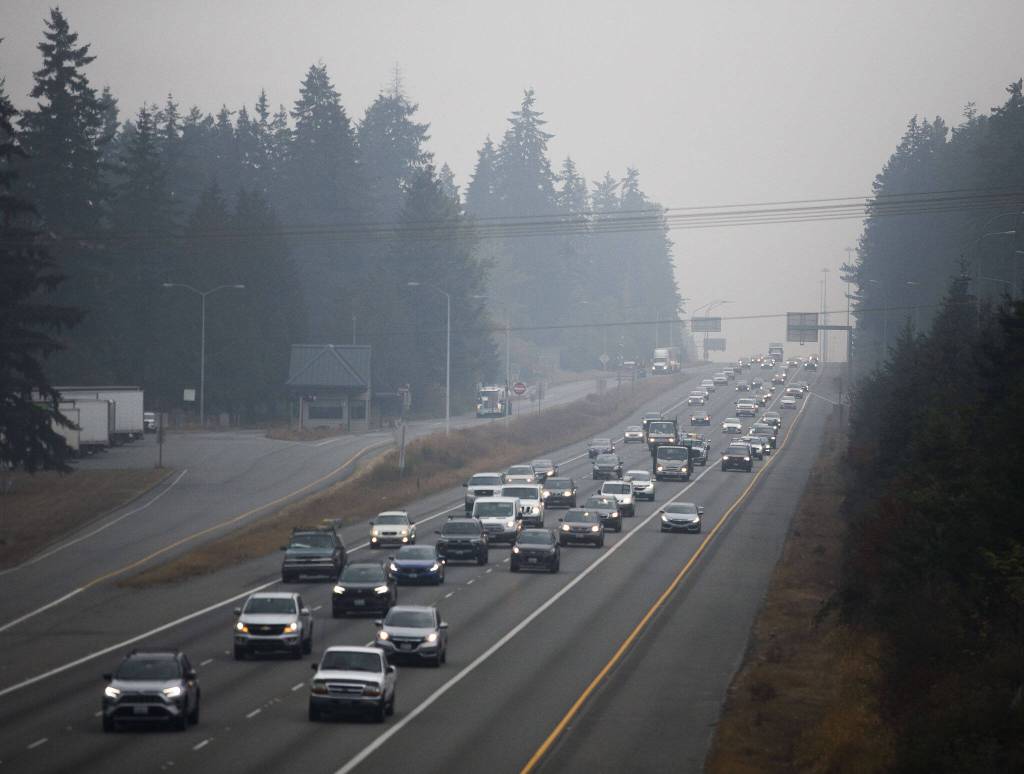
Snohomish County faces multiple threats from human-caused global warming, such as forest fires, smoke, heat waves and flooding.
Washington’s 1990 Growth Management Act requires the state’s most populous counties to have growth management plans and update them regularly. There are 13 elements in Snohomish County’s draft updated plan, ranging from “population and employment” to “tribal coordination.” Climate change is in the fifth of six phases of the public comment period, which wraps up in June.
Currently, climate change is part of the Natural Environment Element, Senior Planner Eileen Canola said. Climate is now a separate element for several reasons: guidance from the Department of Commerce, a desire to elevate the subject, and the need to accommodate both greenhouse gas emissions reduction and climate resiliency.
The draft plan’s goals reflect both the county’s operations and its interactions with other governments and agencies. For example, it calls for transitioning the county’s fleet to zero-emission vehicles, such as electric or renewably produced hydrogen, by 2044. And it calls for meeting or exceeding the Puget Sound Clean Air Agency’s greenhouse gas emission target of 50% below 1990 levels by 2030 and 80% below 1990 levels by 2050.
Wording of the Climate Change Element took guidance from influential 2022 legislation, House Bill 1099, that called for incorporating climate change into the Growth Management Act. That bill didn’t pass until this month when, revived as HB 1181, it was approved by the Legislature.
Planners had a long list of other laws to consider, such as the Climate Commitment Act, the Clean Fuel Standard and Clean Building Act. They also referenced the Puget Sound Regional Council’s Vision 2050 document, which has a strong focus on resiliency and equity. The Climate Change Element highlights the need to protect the most vulnerable residents from climate-related hazards.
There are some big-ticket items in the draft element, including retrofitting county buildings to be more energy efficient.
There is no price tag on the Climate Change Element because the County Council hasn’t yet approved the Comprehensive Plan, said David Killingstad, the county’s long-range planning manager. There is also no single plan for carrying it out. Killingstad said it will be implemented through the county’s Interdepartmental Climate Resiliency Committee.
The county gets citizen input from a Climate Action Advisory Committee. Its chair Tom Campbell is also vice chair of the county Planning Commission. Campbell calls the Climate Change Element “a good start.”
“The challenge down the road is to take a plan and develop meaningful and measurable regulations, including the cities and towns, and to fund the ambitious effort,” he said.
David Jones will be among those commenting on the Climate Change Element. Jones, a member of Climate Reality and the Sno-Isle Group of the Sierra Club, calls it comprehensive and forward-thinking. But he has some feedback. For example, the plan calls for county employees to reduce carbon-intensive air travel while on the job, but it doesn’t mention aviation activities at the county-owned Paine Field.
Jones encourages public participation in the planning process. For political reasons, he said, county leaders “can’t get ahead of where the people are. It is really important for us to weigh in on these policies.”
If the Climate Change Element is approved and funded, how will residents ultimately know the planning paid off? Killingstad answers the question by picturing a county that’s become resilient to climate change — where, for example, people and infrastructure come through extreme heat without suffering. In that case, he said, “our efforts may go unnoticed.”
Julie Titone: julietitone@icloud.com; Twitter: @julietitone.