
SNOHOMISH — If a developer builds a $2 million apartment complex near downtown with the help of a proposed tax break from the city, how much will the owner of the average Snohomish property in the same taxing districts be charged to make up the difference?
About 95 cents a year.
That’s what Snohomish County Assessor Linda Hjelle told the Snohomish City Council on Tuesday. The council has been exploring how financial incentives could attract new multi-family housing projects, and how that could affect other property taxpayers.
If, for example, builders undertook $600 million worth of projects — a scenario resident Morgan Davis has adamantly and repeatedly argued at City Council meetings, as well as a barrage of emails to public officials — the taxes owed on the average property in Snohomish could rise $334 per year, Hjelle said.
Council members took it all in but no action was planned Tuesday. They’ll continue the conversation at a public hearing Sept. 20.
“This is a process,” Councilmember Judith Kuleta said, four months after the incentives were first pitched. “We are following the process and we are doing the best we can.”
In April, the City Council asked planning staff to explore multi-family property tax exemptions as one possible “tool” to spur affordable housing in the city’s new Midtown District.
The exemptions were created by the state Legislature in 1995, with a goal of creating more multi-family housing and adding some affordable housing. The tax break can exempt developers from property taxes on housing projects for eight years. If at least 20% of the homes are set aside for low- to moderate-income tenants, the break can last 12 years.
Several Snohomish residents at Tuesday’s meeting wanted the City Council to pump the brakes. They asked why Snohomish needed to provide affordable housing. They said they worried that low-income housing “brings crime,” and they shared fears of inheriting Everett’s “cesspool.”
City Council members said their goals are two-tiered: meet the demands of the growth management act and those of the community.
Out of 4,000 homes in the city, about 64% are single-family and 36% are multi-family, while about 45% of residents are renters.
Over 33% of all households in Snohomish County were cost-burdened, meaning they spent more than 30% of their income on housing, according to 2018 U.S. Census data.
The city expects the population to rise from 10,000 to 12,000 people by 2035, meaning possibly over 1,000 homes — a mix of single- and multi-family — need to be built, according to city planning officials.
“We have open space and someone’s going to do something there,” said Councilmember Felix Neals. “So we have to try and do that in a way that allows us to control the environment. Control growth in a way … where there is some approachability for somebody, depending on what their income level is.”
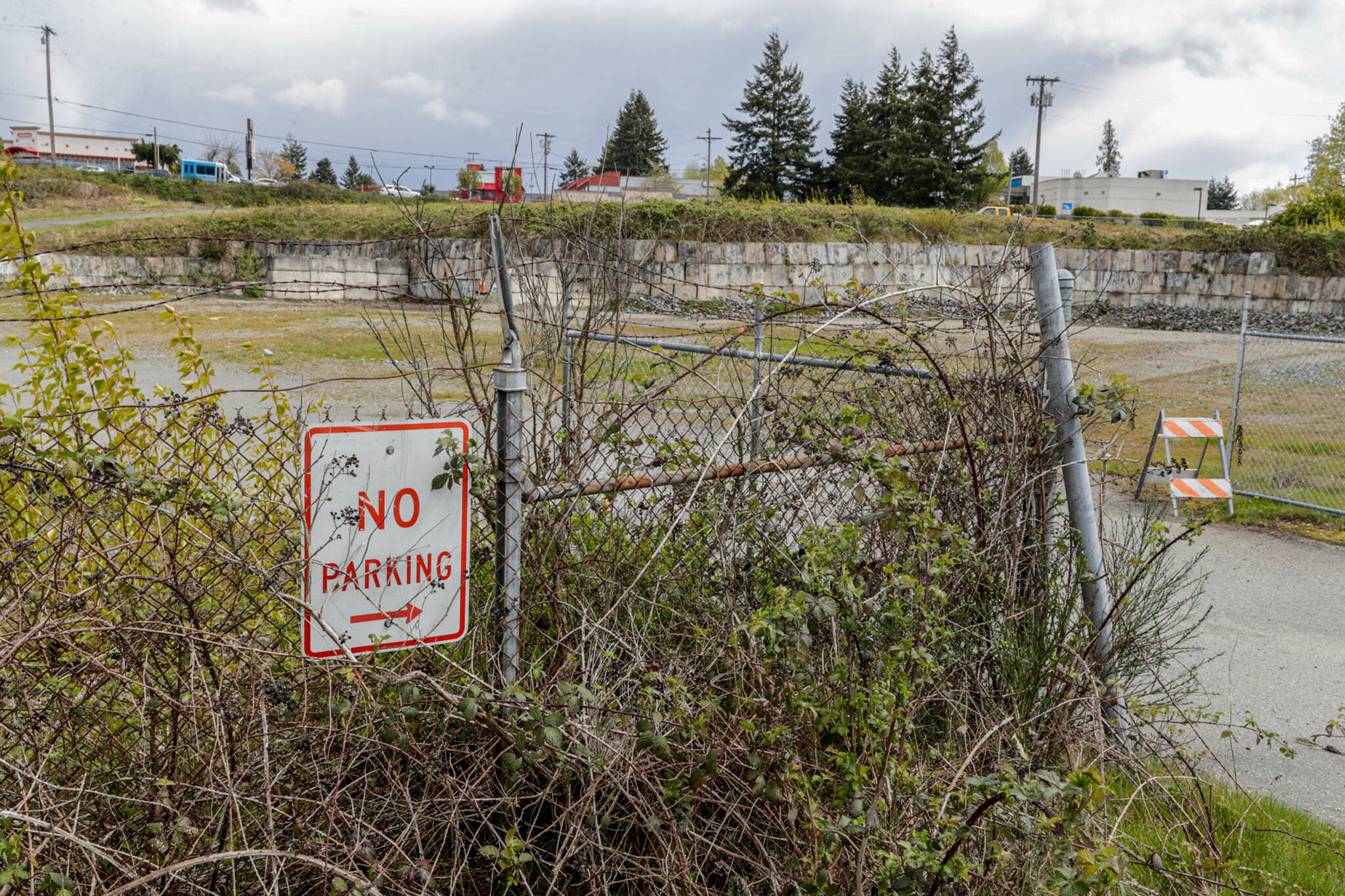
Midtown, a special zone for housing and commercial growth north of downtown along Avenue D, was shaped by Snohomish residents. Former Mayor John Kartak convened a task force in 2019, shortly after Snohomish County announced intentions to sell a 10-acre public works property in the zone.
Those residents created a special zone that promotes “more intensive development” with design standards that seek to reflect the “Snohomish Character.” Building heights were limited to 45 feet in the south, from Sixth Street to Tenth Street; and 55 feet in the north, from Tenth Street to Highway 9.
City Council members formally adopted an ordinance creating Midtown in February.
The tax exemption would be “frankly, a small step” toward bringing affordable housing to Snohomish, Planning Director Glen Pickus said Tuesday. In other Snohomish County cities like Marysville and Lynnwood, the exemptions haven’t yet brought the housing density or affordability that some public officials hoped for.
Snohomish planning staff recommended the City Council require developers to heighten the requirements to qualify for tax breaks. For example, at least 10% of units would need to be affordable to households earning 50% to 80% of the local median income to qualify for the eight-year exemption.
The exemption already exists in Snohomish, in the Pilchuck District along Lincoln Avenue. Only one project has received a tax break to date. All seven units in the building were at market rate, and the developer got an eight-year break while adding no low-income homes.
More incentives for affordable housing will be on the table soon, but this is a starting point, Pickus said.
Isabella Breda: 425-339-3192; isabella.breda@heraldnet.com; Twitter: @BredaIsabella.
Talk to us
> Give us your news tips.
> Send us a letter to the editor.
> More Herald contact information.