Snohomish weighs tax breaks for affordable homes, though results vary
Published 1:30 am Thursday, June 30, 2022
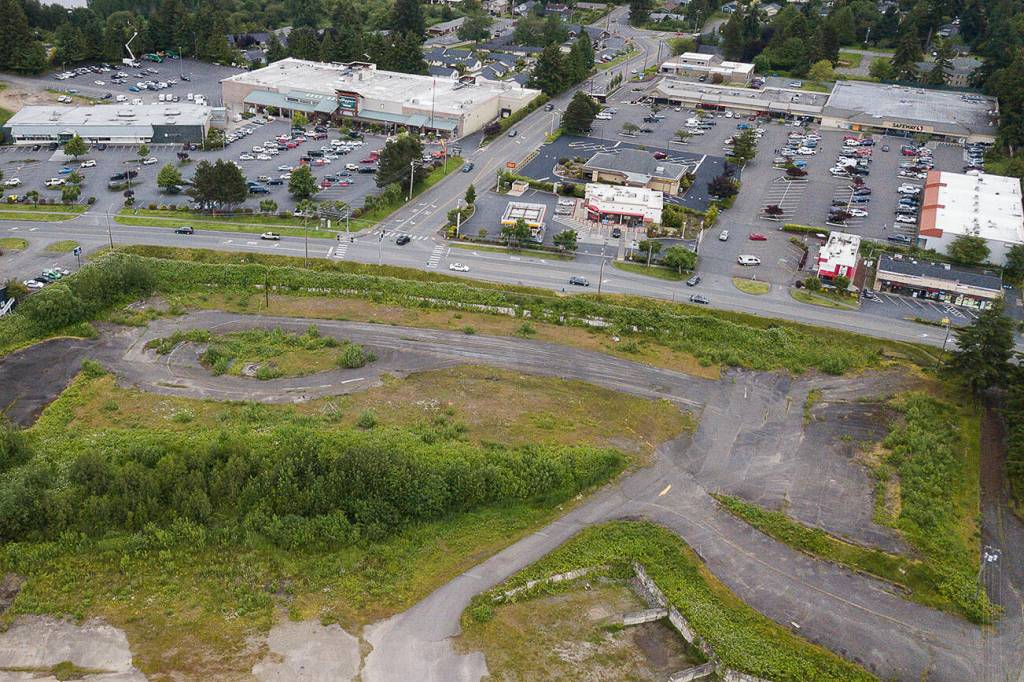
SNOHOMISH — When Snohomish was drawing up a plan for its new Midtown district, Craig Skotdal of Everett-based Skotdal Real Estate pitched an idea to the city to “encourage residential development.”
“As part of your planning efforts, you may wish to investigate the feasibility of providing a multi-family property tax exemption,” he wrote in an August 2020 letter.
The tax break, created by the state Legislature in 1995, exempts developers from property taxes on housing projects for eight years. If at least 20% of the homes are set aside for low- to moderate-income tenants, the break can last 12 years. It has two main goals: create more multi-family housing and add some affordable housing. But many cities have found developers either don’t bite on it or pass on the affordable housing piece.
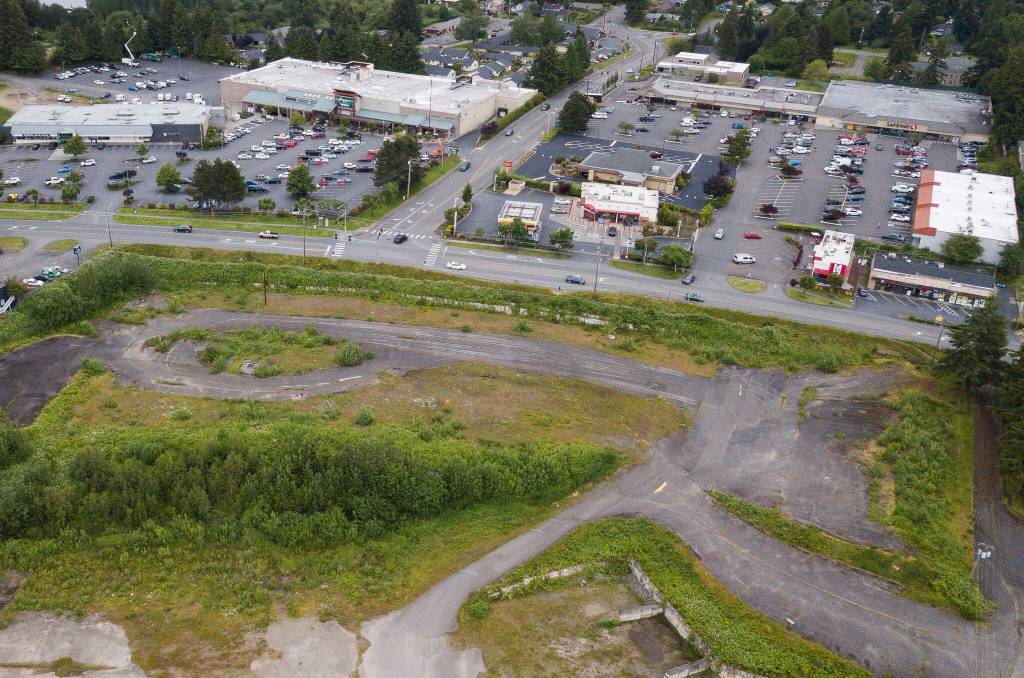
On Tuesday, the Snohomish City Council will hold a public hearing on whether to offer the exemptions to builders eyeing Midtown, a new special zone for housing and commercial growth north of downtown along Avenue D.
Cities can adopt the tax breaks as defined in state law, or they can amend the rules to require more affordable housing. Snohomish is now considering whether to require low- and medium-income units to qualify for any tax break.
Freshman council members elected in 2021 ran on promises of creating more affordable housing in the city. This is their first step in that direction.
In most cities, the program has incentivized just a handful of new multi-family projects. Seattle, Spokane, Tacoma and Renton account for 82% of the units. Of the projects in Edmonds, Lynnwood and Everett, less than one-fourth of the units are actually affordable as defined by the state. Statewide, at least 424 developments have received an exemption, adding almost 35,000 homes since the Legislature created the program. Of those, 21% are designated affordable.
There are over 4,000 homes in Snohomish city limits. Just 36% of those are multi-family. About 45% of residents rent. Most homes built in the past decade have been single-family.
Snohomish City Council President Tom Merrill wants to see denser housing in Midtown.
“We want to ensure that, in fact, it gets built up,” he said.
Merrill said he’s “wishy-washy” on whether or not the tax exemption can help the city achieve its goals.
Meanwhile, the housing supply has been strained in Snohomish County. Over 33% of all households were cost-burdened, meaning they spent more than 30% of their income on housing, according to 2018 U.S. Census data.
Many Snohomish County cities offer the tax breaks for developers, including Edmonds, Everett, Lake Stevens, Lynnwood and Marysville.
The program already exists in Snohomish, too, in the Pilchuck District along Lincoln Avenue. Only one project has received an exemption to date. All seven units in the building were at market rate, and the developer got an eight-year tax break while adding no low-income homes.
‘A pretty good deal’ for developers
Last year, Lynnwood City Council unanimously approved a “Housing Action Plan,” to expand affordable housing through zoning changes and incentives.
Lynnwood only offers its multi-family tax exemption in the city center. The city so far has approved two applications, said Karl Almgren, city center program manager.
In 2020, the Lynnwood council unanimously approved a development agreement for Kinect @ Lynnwood, a 239-unit apartment complex on Alderwood Mall Boulevard. The developer was granted a 12-year tax break due to 48 affordable units.
Council President George Hurst then said the builder was getting “a pretty good deal for not a lot of affordable housing.”
The second project, the Ember Apartments, is under construction. About 20% of the 361 units will be for tenants with low to moderate incomes. And a 199-unit apartment building — marketed as “100% affordable” — has an application under review for tax breaks.
Many developers who have received exemptions in the county are in Everett, according to the Snohomish County Assessor’s Office. Two Everett housing projects currently exempted for eight years don’t have any affordable units, according to data reported to the state Department of Commerce. Some Skotdal properties in downtown Everett have received multi-family tax exemptions, including Library Place and Aero Apartments.
Morgan Davis, 80, has lived just outside Snohomish city limits for decades. He owns several rentals in the small city, and he is a familiar face at Snohomish City Council meetings. Davis has reservations about redefining Snohomish’s general approach to growth. He’s worried Snohomish will balloon like Marysville.
In 2000, Marysville was home to 25,221 people. By 2010, the population more than doubled, then added 11,000 more people the following decade, according to the U.S. Census.
Marysville adopted multi-family tax breaks in the downtown core in 2009. In 2021, city council members voted to expand the area where the tax exemption is offered. But it hasn’t contributed to the rapid growth.
“We actually haven’t seen this program utilized to date,” said Haylie Miller, Marysville community development director.
Part of the newly eligible area is already developed with single-family homes and schools. Miller said the goal is to make the shopping center at State Avenue and Fourth Street “a thriving mixed-use development.” Tax exemptions are just one piece in the puzzle, she said.
“I wouldn’t say this is really the one and only driving factor to get development downtown, but I certainly don’t think it hurts,” Miller said. “We’ve seen smaller projects, a handful of smaller projects … a duplex, a few townhomes here and there in the downtown area. So there is some activity happening, but we just haven’t seen the larger developments that we’re after.”
Davis is also worried a tax break for developers would shift the burden to other property owners, without a vote.
“It’s a stealth tax,” he said.
For example, take the seven-unit project in the Pilchuck District. It cost about $2 million to build and received an eight-year exemption.
In Snohomish, there are 2,982 residential properties with an average value of $468,700, according to Chris Huyboom, levy comptroller for the Snohomish County Assessor’s Office. So as a result of one exempt project in the Pilchuck district, the average property owner will pay an extra $2.08 in 2023, and that number could increase in the following years.
“The general premise is, yes, if there’s an exemption you have to make it up,” Planning Director Glen Pickus said. “But there’s no burden if there’s no construction.”
The multi-family tax breaks can create a short-term tax burden, with a long-term benefit of more missing-middle housing, Pickus said.
Merrill, the City Council president, said he agrees the end goal is affordable housing, but he’s not convinced the tax exemptions are the best way to get there.
“This is a big deal for the future of Snohomish,” Merrill said. “And we really want to get it right.”
Isabella Breda: 425-339-3192; isabella.breda@heraldnet.com. Twitter: @BredaIsabella.