
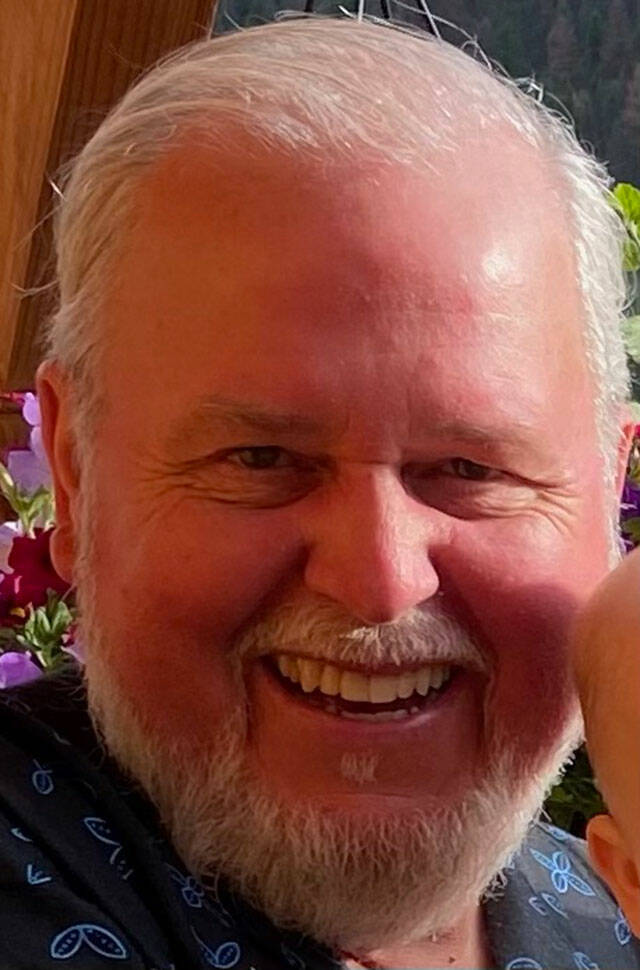
By Paul Benz / Herald Forum
Of, by and for; who is government but we, the people.
Remember these three words? That, in essence, defines the word “government” and are a part of the last sentence of the shortest and probably most memorable of all speeches delivered by a president of the United States.
Yes, these three words — of, by and for — are a part of the last sentence of the Gettysburg Address, delivered on Nov. 19th, 1863 on the famous battlefield in southeast Pennslyvania by President Abraham Lincoln. The Civil War, of course, was a very divided time for our country; where family fought against family. Now our country has been, is, and will continue to be as divided as we were then.
What can we do to bridge this huge divide that encompasses so many aspects of life?
Lincoln and these three words may provide some kind of a response to that question. Lincoln was trying to unite a divided nation by taking the nation back to the roots of what it meant to be a nation. He did that in this world-renowned speech in the last sentence of a 275-word address, written on his short train ride to a still bloody battlefield — only four and a half months had elapsed — from our nation’s capital.
His speech summed up what government means: of the people, by the people, and for the people. All three of those phrases are interconnected with each other and can serve as a reminder to all of us who is the government; no matter what we think of the current system and those serving in it. Remember, that in 1863 neither President Lincoln or Jefferson Davis, president of the Confederate States, were polling that great with their respective citizens; in other words they had plenty of dissenters.
“Of the people” refers to who the government is. The government of our nation or state is not in Washington, D.C. or in Oympia, but resides with “we the people.” That is an ideal that we should never forget no matter how alienated or angry we are with government and those in it.
“By the people” means that “we, the people” select or vote on who our elected representatives are. That is why the right to vote and our voting systems are so fundamental to government and who our elected officials are, and the means by which to change who that person is, the electoral process. Indeed, Washington state along with many other states have an initiative and referendum process where “we, the people” can even create and overturn laws. “By the people” is our direct way to engage in determining what our laws will or won’t be and who writes them and votes on them.
“For the people” refers to the purpose of government, which should always be “for the people.” Yes, we know well the historic and huge imperfections of the systems and its many departments within our federal, state and local levels. But we also need to stop and remember the many benefits that government provides for “we, the people”; yes, our tax dollars at work. Even in the midst of the great divisions we have we can still make the changes we want to see from the most local of changes at the city, county, and school district levels to our state Leegislature, to who serves in Congress and the White House.
Government will be what “we, the people” determine it to be. Oh yes, as a 20-year plus lobbyist, I am well aware of the many forces and the high-stakes financing behind so many of our races and elections. However, we cannot and must not succumb to our fears and self interests, which continue to contribute to not bridging our great divides.
As Lincoln said we must always seek the “better angels” within ourselves and within our communities to ensure the government remains “of, by and for the people.”
Paul Benz is a long-time faith leader and is co-director for policy at Faith Action Network, a statewide interfaith social justice advocacy organization. He has lived in south Everett for more than 20 years and in Washington state for 34 years.
Talk to us
> Give us your news tips.
> Send us a letter to the editor.
> More Herald contact information.
























