Starbucks closes thousands of stores for anti-bias training
Published 1:30 am Tuesday, May 29, 2018
Associated Press
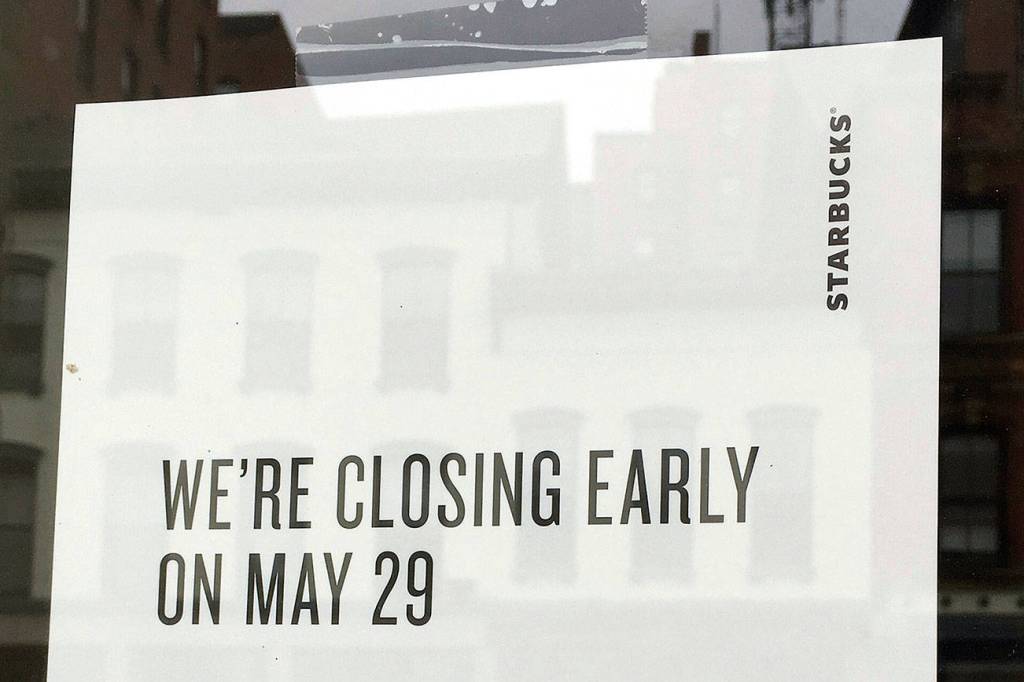
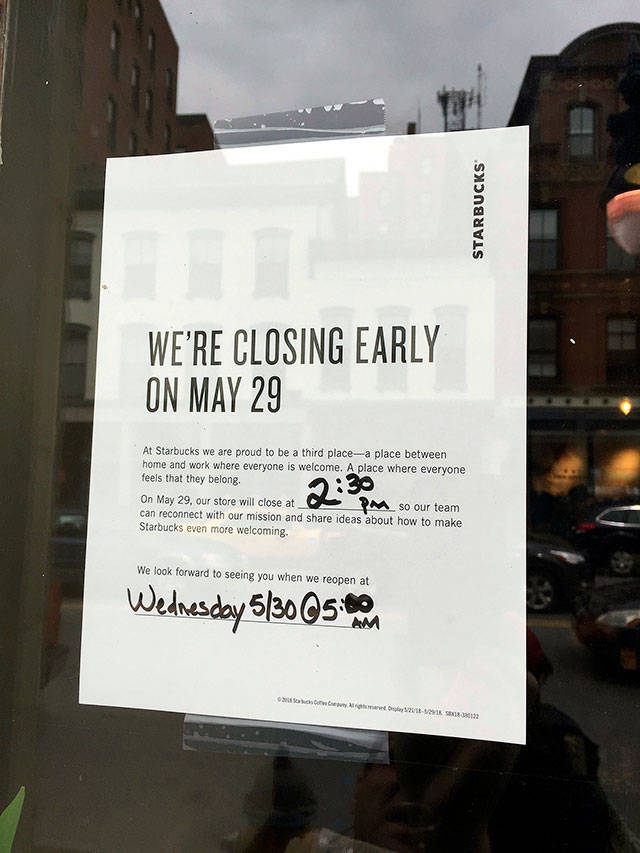
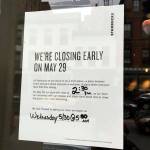
Turning away customers looking for an afternoon jolt of caffeine, thousands of Starbucks shops across the U.S. closed early Tuesday to hold training for employees on recognizing hidden prejudices.
It was part of the coffee chain’s effort to deal with the outcry over the arrest of two black men last month for sitting in a Philadelphia Starbucks without buying anything.
After the incident, the company’s leaders apologized, met with the men and scheduled an afternoon of training for 175,000 employees at more than 8,000 U.S. stores.
Self-described loyal Starbucks customer Darnell Metcalf, a 55-year-old black man from Miami, said he was dubious about how much a four-hour training session might accomplish for employees “raised to look at certain people a certain way and act a certain way.”
And he said the problem is not confined to Starbucks, but exists at plenty of other retail chains where he has seen people profiled.
“It makes it look like they’re trying to, you know, quiet the storm,” Metcalf said outside a closed-for-training Starbucks. “They’re not solving nothing. They’re not going to fix this overnight … It’s not Starbucks the corporation. It’s only certain employees who are like that.”
Starbucks has not said how much the training will cost the company or how much money it expects to lose from closing the stores during what is usually its least busy time of day.
“It’s quite expensive,” Chairman Howard Schultz said Tuesday. “We’ve had certain shareholders call and say, ‘How much is this going to cost and how do you justify this?’ My answer to them was simply: We don’t view it as an expense. We view it as an investment in our people and the long-term cultural values of Starbucks.”
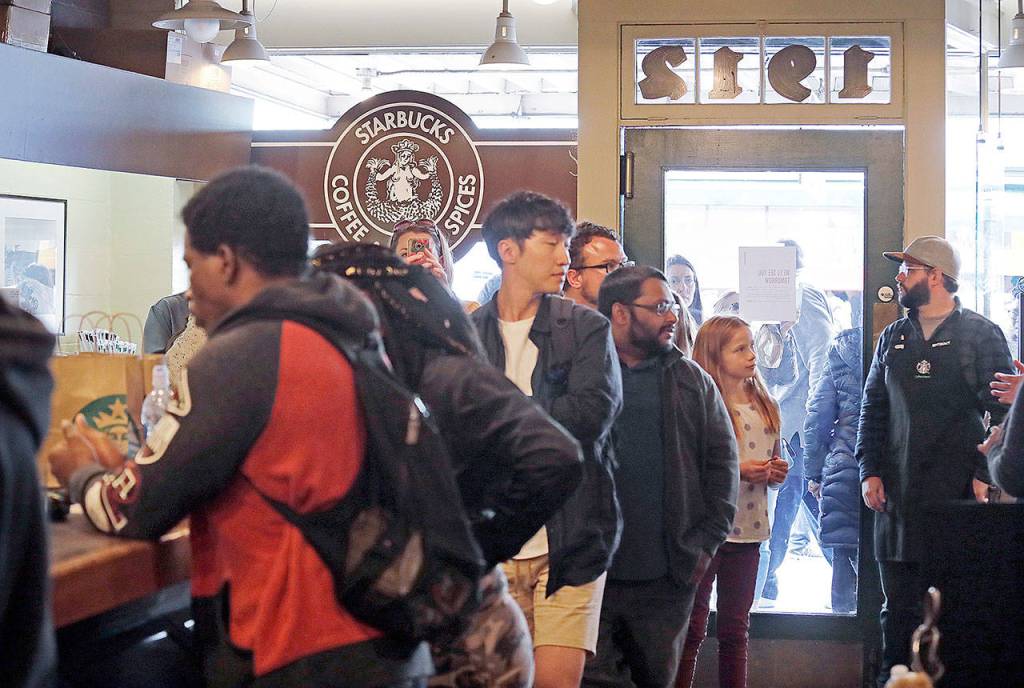
At the company’s famous Pike Place Market location in Seattle, commonly referred to as the original Starbucks, the store stopped letting people in at 1 p.m.
Trina Mathis, who was visiting from Tampa, Florida, was frustrated that she couldn’t get in to take a photo but said the shutdown was necessary because what happened in Philadelphia was wrong.
“If they haven’t trained their employees to handle situations like that, they need to shut it down and try to do all they can to make sure their employees don’t make that same mistake again,” said Mathis, who is black.
Others visiting the store questioned whether the training would make a difference or suggested it was overkill.
Anna Teets, who lives in Washington state, said the problem has been fixed and the company has dealt with the situation. “It’s been addressed,” she said.
Inside the closed Starbucks Reserve store on the ground floor of the company’s corporate headquarters in Seattle, about two dozen people could be seen through the window. Some held white pamphlets with the words: “What makes me, me? And you, you?”
The training, developed with help from the NAACP Legal Defense and Education Fund and other groups, was not mandatory, but Starbucks said it expected almost all of its employees to participate. It said they will be paid for the full four hours.
Training in unconscious, or implicit, bias is used by many corporations, police departments and other organizations. It is typically designed to get people to open up about prejudices and stereotypes — for example, the tendency among some white people to see black people as potential criminals.
Many retailers, including Walmart and Target, say they already offer some racial bias training. Nordstrom has said it plans to enhance its training after apologizing to three black teenagers in Missouri who were falsely accused by employees of shoplifting.
In the Philadelphia incident, Rashon Nelson and Donte Robinson were asked to leave after one was denied access to the bathroom. They were arrested by police minutes after they sat down to await a business meeting.
The arrest was recorded by cellphone and triggered protests, boycott threats and debate over racial profiling, or what has been dubbed “retail racism.” It proved a major embarrassment for Starbucks, which has long cast itself as a company with a social conscience.
Nelson and Robinson settled with Starbucks for an undisclosed sum and an offer of a free college education. They also reached a deal with the city of Philadelphia for a symbolic $1 each and a promise from officials to establish a $200,000 program for young entrepreneurs.
Starbucks said the arrests never should have occurred. It has since announced anyone can use its restrooms, even people not buying anything.
Some black coffee shop owners in Philadelphia are suggesting black customers instead make a habit of patronizing their businesses.
Amalgam Comics and Coffeehouse owner Ariell Johnson said she has called the police just once in the two years she has been open. She said that should happen only when there is a provocation or danger.
Calvin Lai, an assistant professor of psychological and brain sciences at Washington University in St. Louis, said people should not place high expectations on this one day.
“We find that oftentimes diversity training has mixed effects, and in some cases it can even backfire and lead people who are kind of already reactive to these issues to become even more polarized,” Lai said.
One afternoon wouldn’t really be “moving the needle on the biases,” especially with a company that has as many employees as Starbucks, he said. “A lot of those employees won’t be here next year or two years or three years down the line.”
Starbucks has said the instruction will become part of how it trains all its workers.